Imagine stepping into your laundry room on a chilly morning, only to be greeted by a blast of cold air. Wet clothes and dampness can create an uncomfortable environment, making laundry day more of a chore than it needs to be. Proper heating in your laundry space not only enhances comfort but also helps with drying clothes more efficiently. In this article, you’ll learn how to effectively heat a laundry room, along with options that suit various needs and budgets.
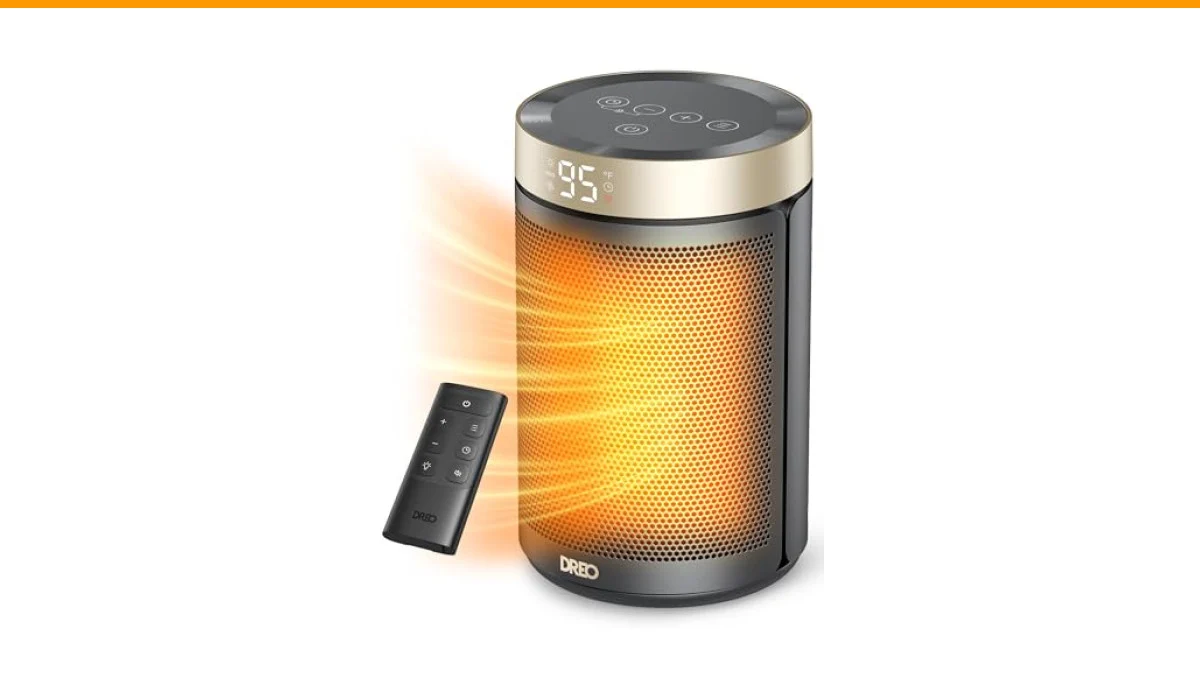
To get started, consider the DREO Space Heater, a portable electric heater designed for indoor use. It utilizes a 1500W PTC system, providing quick and effective warmth. With features like an adjustable thermostat, safety protections, and a quiet operation, it’s a reliable choice for heating a laundry room while ensuring comfort.

DREO
DREO Space Heater, Portable Electric Heaters for Indoor Use with Thermostat | 2026 Upgraded, 34dB Quiet, 12H Timer, 5 Mode, Remote, 1500W PTC Ceramic Fast Safety Heat for Office Bedroom Home, Gold
- Powerful heat that fits everywhere: DREO space heaters for indoor combines Hyperamics 1500W advanced PTC system with a new heat fu…
- Unbreakable safety:DREO goes beyond the unexpected to deliver peace of mind with every room heater. The innovative tilt-detection…
- Ultimate temperature control: The enhanced NTC chipset brings more precision to turn your space heater with thermostat into a smar…
Understanding Heating Options
So, what are your options for heating a laundry room? You essentially have three main methods: central heating, space heaters, and radiant heating. Each option has its pros and cons.
1. Central Heating
Central heating can be efficient if your laundry room is connected to your home’s heating system. However, it may not provide enough heat on particularly cold days or in larger laundry spaces. Additionally, you generally can’t control the temperature specifically for the laundry room, which might lead to higher energy costs.
2. Space Heaters
Space heaters, like the DREO model, are excellent for targeted heating. They’re portable, easy to use, and can be adjusted based on your comfort level. Instead of heating the entire house, you can focus on just the laundry room. Make sure to choose a heater with safety features, especially if the space is small or has children.
3. Radiant Heating
Radiant heating systems can be installed in the flooring or walls. While this option provides even, consistent warmth, the installation can be costly and may not be practical for all homeowners. However, it can be a worthwhile investment if you’re building or renovating.
Key Factors to Consider
Thinking about heating a laundry room? Here are essential factors to consider:
- Size of the Room: Measure your laundry room to determine how much heating is required. Larger spaces typically need more powerful solutions.
- Insulation: Well-insulated rooms retain heat better. Check for drafts or gaps that could let cold air in.
- Usage Frequency: If you use the room daily, a permanent solution like radiant heating might be best. For occasional use, a space heater could suffice.
- Safety Features: Look for heaters with tip-over protection and automatic shut-off features to prevent accidents.
Comparing Heating Options
| Heating Method | Cost | Installation | Efficiency | Control |
|---|---|---|---|---|
| Central Heating | Medium to High | Permanent | High | Limited |
| Space Heaters | Low to Medium | None | Medium | High |
| Radiant Heating | High | Permanent | Very High | High |
Frequently Asked Questions
How much heat do I need for my laundry room?
The amount of heat needed depends on the size of your room and the temperature you want to achieve. As a general rule, you need about 10 watts per square foot to adequately heat a space.
Can I use a space heater in a laundry room?
Yes, as long as it has proper safety features. The DREO Space Heater is a great option for this, with a design that prioritizes safety and efficiency.
What is the most energy-efficient way to heat a laundry room?
Using a programmable space heater allows you to control the temperature, reducing energy costs. Additionally, ensuring your laundry room is well-insulated will help maintain warmth.
Are there any safety tips for using space heaters?
Always maintain a safe distance from flammable materials, never leave a space heater unattended, and ensure it has features like tip-over protection.
How can I improve insulation in my laundry room?
Check for gaps around windows and doors, and seal them with weather stripping. Adding insulation to walls or the ceiling can also help keep the room warmer.
Final Thoughts
- Assess your laundry room size for appropriate heating needs.
- Consider using a space heater for targeted warmth.
- Look for heaters with safety features for peace of mind.
- Improve insulation to enhance heating efficiency.
- Choose heating methods based on how frequently you use the space.
- Monitor energy consumption to avoid high bills.
- Evaluate your options regularly to ensure you’re using the best heating method.



