Imagine this situation: you’re in the living room, enjoying a moment of relaxation, when suddenly, you hear a crash. A child or pet has knocked over your television or a piece of furniture. This scenario is all too common and can lead to serious injuries or even worse. Understanding tip-over protection is crucial for maintaining a safe environment in your home, especially when young children or pets are present.
In this article, you’ll learn about the importance of tip-over protection, how to implement effective safety measures, and specific products that can help. We’ll break down the different methods of securing furniture and appliances to prevent accidents, ensuring peace of mind in your home.
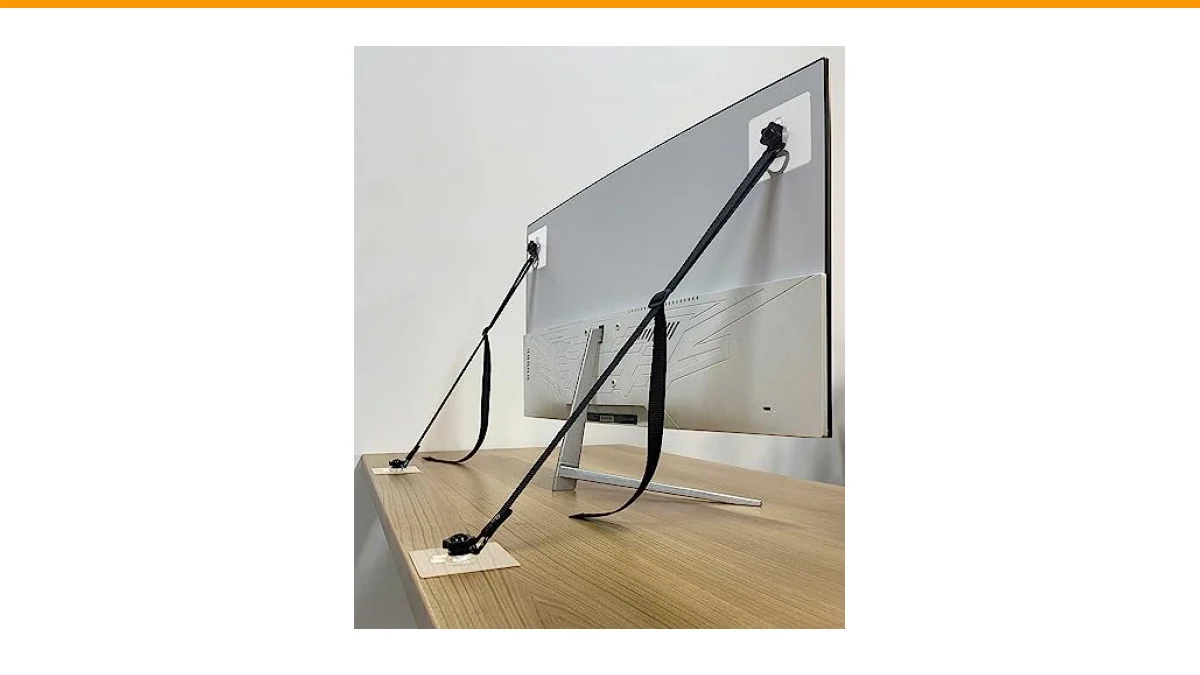
One product that can assist in this effort is the OeckuXIY 2 Pack Adjustable TV Safety Straps. These no-drill adhesive anchors are designed to secure televisions and furniture to the wall, making them a practical choice for families looking to enhance their home safety.
What is Tip-Over Protection?
Tip-over protection refers to safety measures implemented to prevent furniture, appliances, or other heavy items from tipping over. This is particularly relevant for items that are tall, narrow, or top-heavy, as they are more likely to become unstable and fall. Tip-over accidents can occur due to various factors, including children climbing on furniture, pets knocking items over, or seismic activity.
Statistics show that thousands of injuries, particularly among children, occur each year as a result of tip-over incidents. The U.S. Consumer Product Safety Commission (CPSC) reports that a child is treated every 30 minutes for injuries related to falling furniture or TVs. Understanding these risks is essential for any homeowner.
Why is Tip-Over Protection Important?
Understanding the importance of tip-over protection goes beyond simply preventing accidents. It ensures the safety of vulnerable individuals, such as children and pets, who may not be aware of the dangers posed by unstable furniture. Here are some key reasons why tip-over protection matters:
- Injury Prevention: The primary goal is to prevent injuries that can occur from falling objects.
- Peace of Mind: Knowing your home is safe allows you to relax and enjoy your space without unnecessary worry.
- Compliance with Safety Standards: Many jurisdictions have safety regulations that require securing heavy furniture, especially in homes with children.
- Insurance Considerations: Failing to secure furniture may impact insurance claims related to accidents.
Effective Methods for Tip-Over Protection
Various methods can be employed to ensure tip-over protection in your home. Here are some effective strategies:
- Anchoring Furniture: Use wall anchors or straps to secure heavy furniture like bookshelves, dressers, and televisions. This prevents them from tipping over when pushed or pulled.
- Adjusting Placement: Position tall furniture against walls instead of in the center of a room. Avoid placing heavy items on top of high furniture, which can increase the risk of tipping.
- Choosing Stability: Select furniture designed with stability in mind. Look for items that have a low center of gravity or are wider at the base.
- Regularly Checking Stability: Periodically inspect furniture to ensure it remains secure. Tighten screws and check for wear on straps or anchors.
Comparison of Tip-Over Protection Options
| Method | Effectiveness | Ease of Installation | Cost |
|---|---|---|---|
| Wall Anchors | Highly effective | Requires tools | Low |
| Adhesive Straps | Moderately effective | Easy, no tools | Low |
| Heavy Furniture Placement | Moderately effective | No installation needed | Free |
| Stabilizing Furniture | Highly effective | Depends on item | Varies |
What types of furniture should be secured?
All heavy and tall furniture should be secured, including bookshelves, dressers, televisions, and cabinets. Focus on items that can easily tip over when pushed or pulled.
How do I install tip-over protection devices?
Installation can vary based on the type of device. For wall anchors, typically, you’ll drill screws into the wall and attach the furniture. Adhesive straps require cleaning the surface and applying the adhesive; no tools are needed.
Are adhesive straps safe for all types of walls?
Adhesive straps are generally safe for most wall types, but they may not adhere well to textured or porous surfaces. Always check the manufacturer’s recommendations for specific wall types.
Can I secure a TV without drilling?
Yes, many products, like the OeckuXIY safety straps, use adhesive to secure televisions without drilling. This option is great for renters or those who want to avoid wall damage.
What are the signs that furniture needs securing?
If furniture wobbles or is easily pushed, it likely needs securing. Additionally, if you have young children or pets, it’s wise to secure these items proactively.
Take Action for Safety
- Assess your home for tall or heavy furniture that could tip over.
- Install wall anchors for bookshelves and dressers.
- Consider adhesive straps for TVs and other items.
- Regularly check the stability of your secured furniture.
- Educate family members about the importance of safety around furniture.
- Stay informed about safety regulations related to tip-over risks.
- Be proactive to prevent accidents before they happen.




