Cold weather can catch anyone off guard, especially during unexpected power outages or heating failures. Picture a winter evening when the temperature plummets, and your heating system suddenly stops working. In such moments, having effective emergency heating options becomes essential to maintain comfort and safety.
This article will provide you with a thorough understanding of various emergency heating solutions, from portable heaters to DIY methods. You’ll learn the advantages and limitations of each option, empowering you to make informed choices when you need warmth the most.
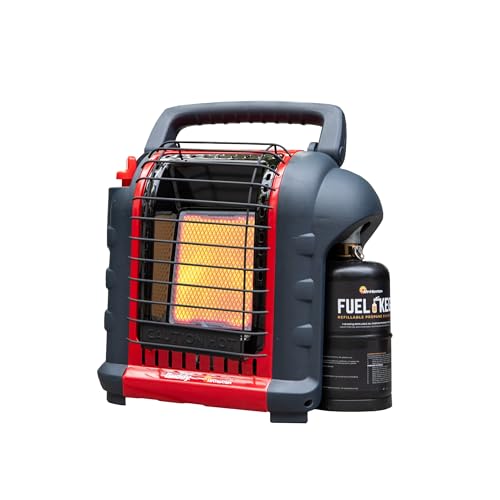
Mr. Heater
Mr. Heater 9,000 BTU Portable Buddy Radiant Propane Heater
- Emits 4,000 or 9,000 BTU/hr radiant heat
- Designed and approved for indoor and outdoor use
- Heats up to approximately 225 square feet
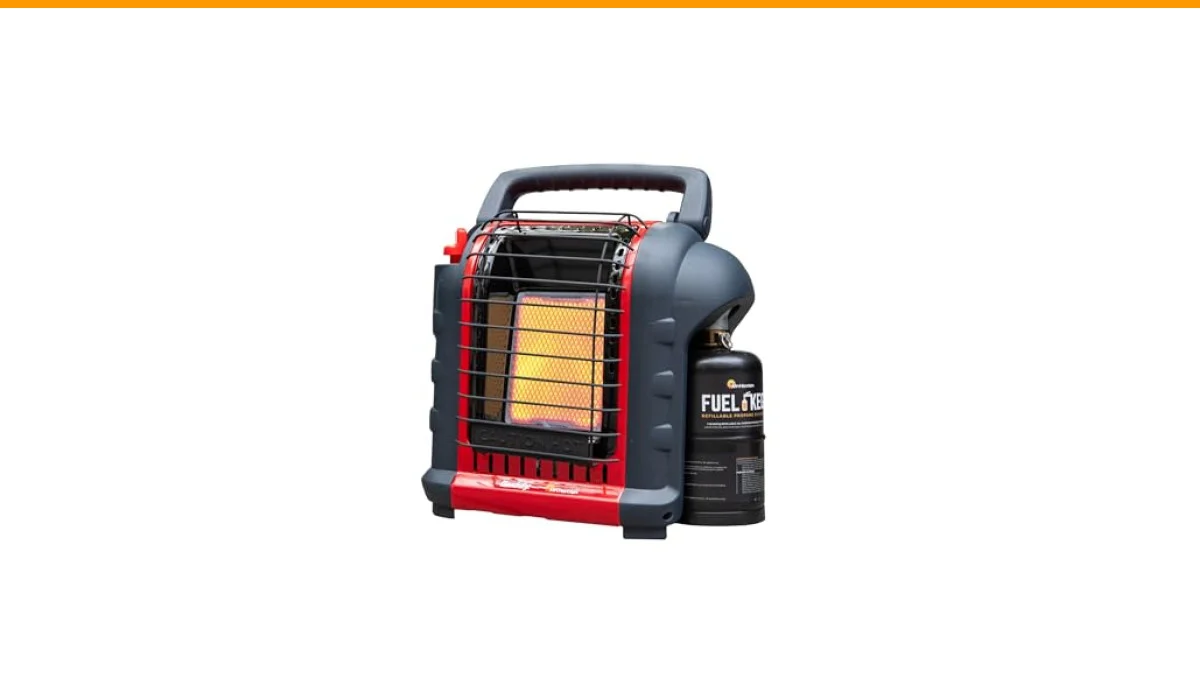
One practical solution for emergency heating is the Mr. Heater 9,000 BTU Portable Buddy Radiant Propane Heater. This compact heater is versatile enough for both indoor and outdoor use and can effectively heat spaces up to approximately 225 square feet. With two temperature settings and a safety system for low oxygen levels, it offers both convenience and peace of mind during emergencies.
Types of Emergency Heating Options
Understanding the types of emergency heating options available can help you choose the best solution for your situation. Here are some common types:
- Portable Heaters: These are fueled by electricity, propane, or kerosene. They are easy to move and can heat specific areas effectively. However, ensure they are safe for indoor use.
- Wood Stoves: A traditional option, wood stoves can provide substantial heat. They require a constant supply of wood and proper ventilation, which can be a limitation.
- Fireplaces: Whether wood-burning or gas, fireplaces can serve as a reliable heat source. They are more suited for homes that already have them installed.
- DIY Methods: Creative solutions like using blankets, hot water bottles, or making a thermal mass with stones can help retain heat in your space.
Choosing the Right Emergency Heater
When selecting an emergency heating option, several factors should guide your decision:
- Heating Capacity: Check the BTU output of the heater. For instance, the Mr. Heater Portable Buddy provides 4,000 to 9,000 BTU/hr, which is suitable for small to medium rooms.
- Fuel Type: Consider the availability of fuel in your area. Electric heaters depend on the power grid, while propane and kerosene options can be used independently.
- Safety Features: Look for heaters with safety systems, such as automatic shut-off when oxygen levels drop. This feature is crucial to prevent carbon monoxide poisoning.
- Portability: A portable heater can be moved to different areas of your home, allowing flexibility based on where you need heat the most.
Comparative Overview of Emergency Heating Options
| Heating Option | Fuel Source | Heating Area (sq ft) | Portability | Safety Features |
|---|---|---|---|---|
| Mr. Heater Portable Buddy | Propane | 225 | Yes | Low oxygen shut-off |
| Electric Space Heater | Electricity | Up to 400 | Yes | Tip-over protection |
| Wood Stove | Wood | Varies | No | Chimney safety |
| Fireplace | Wood/Gas | Varies | No | Ventilation safety |
Frequently Asked Questions
What should I consider when using a portable heater indoors?
When using a portable heater indoors, ensure it’s rated for indoor use. Always keep it away from flammable materials and ensure good ventilation to avoid carbon monoxide buildup.
Can I use a generator to power my electric heater?
Yes, you can use a generator to power an electric heater. Make sure your generator can handle the wattage of the heater and follow all safety guidelines for generator use indoors.
How can I safely heat my home during an emergency?
To heat your home safely during an emergency, use devices that have built-in safety features, ensure proper ventilation, and keep flammable materials away from heat sources.
What is the best fuel for emergency heating?
The best fuel for emergency heating depends on availability. Propane and kerosene are popular choices for portable heaters because they can be stored easily and used without electricity.
How do I maintain my emergency heating equipment?
Regular maintenance is key. For propane heaters, check connections and replace fuel tanks as needed. For electric heaters, keep them clean and check for any frayed cords or damage.
Final Thoughts on Emergency Heating Options
- Understand your heating needs based on your living space.
- Choose a heater with the right BTU output for effective heating.
- Prioritize safety features to protect your family.
- Consider the availability of fuel and power sources in your area.
- Keep emergency heating equipment accessible and well-maintained.
- Practice using your emergency heating options before a crisis occurs.
- Stay informed about local heating regulations and safety guidelines.



