Imagine a chilly winter morning where you sip your coffee and wish for warmth without cranking up the central heating. Ceramic heaters provide a quick and efficient way to warm up your space, making them a popular choice for many households. The history of ceramic heaters is not just about comfort; it’s a tale of innovation, efficiency, and the adaptation of technology to meet our heating needs.
This article will take you through the evolution of ceramic heaters, how they work, their benefits, and a detailed comparison of current options available in the market. By the end, you’ll understand why ceramic heaters are a smart choice for both home and office environments.

Amazon Basics
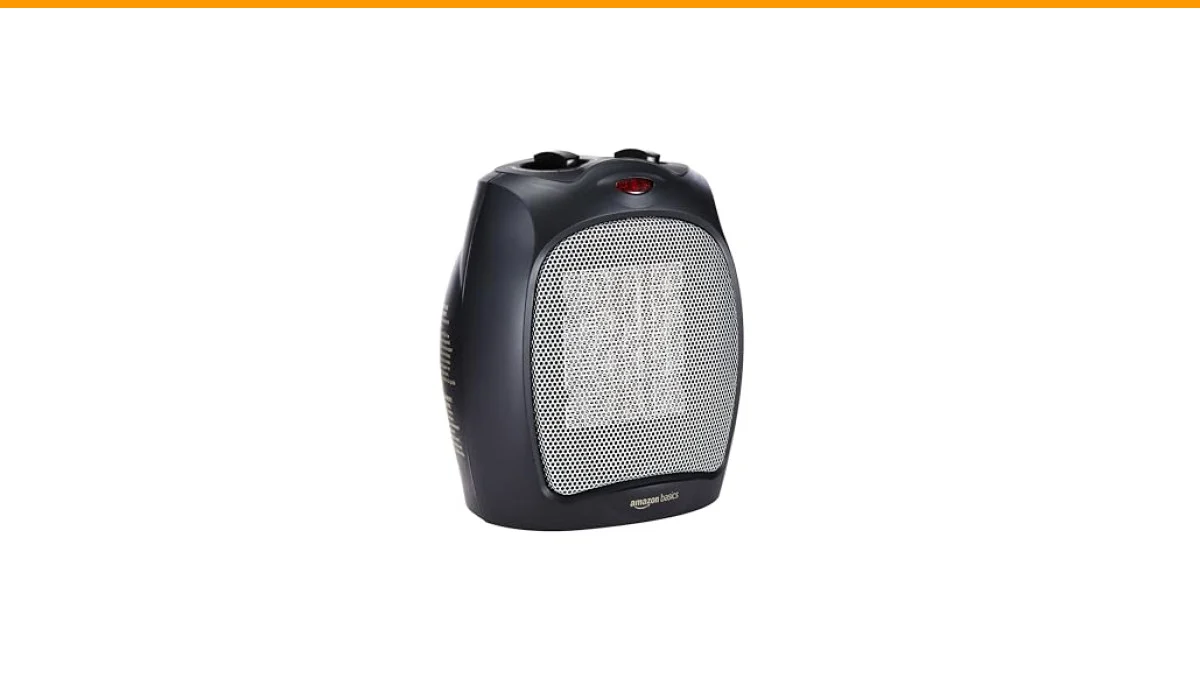
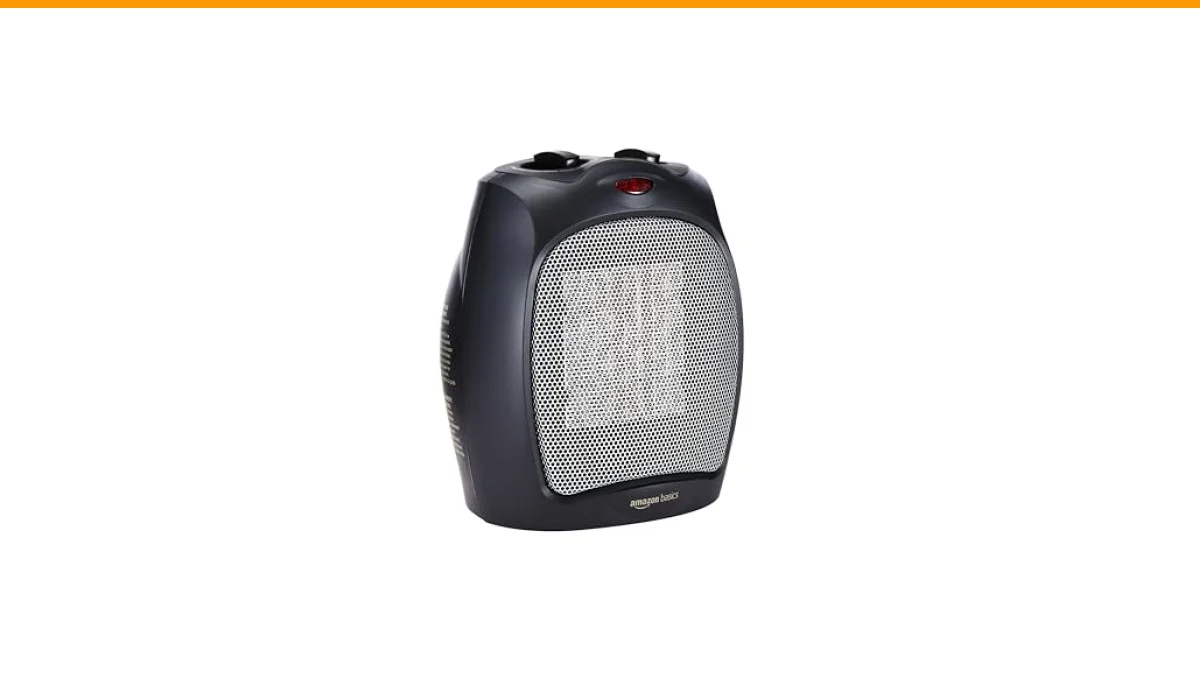
Amazon Basics Ceramic Space Heater, Portable Indoor Heating Solution, With Overheat and Tip-Over Protection, Thermostat, Non-Oscillating, 1500W, 7.52"D x 6.34"W x 9.45"H, Black
- CUSTOMIZABLE HEATING OPTIONS: Choose from three settings to suit your needs - High (1500W), Low (900W), or Fan Only for air circul…
- COMPACT & PORTABLE: Weighing just 3 lbs and sized at 7.5“L x 6.3”W x 9.5“H, this space heater is easy to move and perfect for your…
- Built-in Tip-Over Protection, Overheat Protection, and a Power Indicator Light for safe operation.
The Amazon Basics Ceramic Space Heater is a prime example of modern ceramic heating technology. It offers customizable heating options with a compact design, making it a practical solution for indoor heating. With rapid heating technology and built-in safety features, this heater ensures both comfort and peace of mind.

 Let's talk about 18th Century Ceramic Heaters for 15 minutes!Watch on YouTube
Understanding the Technology Behind Ceramic Heaters
Okay, but how does a ceramic heater actually work? Ceramic heaters utilize a ceramic heating element that generates heat when electricity passes through it. Unlike traditional metal coils that can take longer to warm up, these ceramic elements heat quickly, allowing for efficient space heating.
Typically, ceramic heaters consist of a ceramic plate that retains heat and a fan to distribute it throughout the room. This design not only provides warmth but also improves energy efficiency. For instance, a ceramic heater can heat a small space in a matter of minutes, making it ideal for quick warming.
A Brief History of Ceramic Heaters
The evolution of ceramic heaters dates back to the early 20th century. Initially, ceramic materials were used in various heating appliances due to their ability to withstand high temperatures. The first significant breakthrough occurred in the 1950s when ceramic heating elements began to replace traditional metal coils. This change heralded a new era in heating technology.
In the 1980s, advancements in technology led to the development of more compact and efficient ceramic heaters. Manufacturers began to integrate features like thermostats and timers, enhancing user control. Today, modern ceramic heaters are equipped with safety features like tip-over protection and overheat shutoff, making them safer for home use.
Benefits of Using Ceramic Heaters
What makes ceramic heaters stand out? Here are a few notable benefits:
- Energy Efficiency: Ceramic heaters use less power than traditional heating methods, allowing for lower energy bills.
- Quick Heating: They heat up rapidly, providing immediate warmth.
- Safety Features: Many models come with built-in safety mechanisms, such as automatic shut-off.
- Compact Size: Their small footprint makes them easy to place in any room.
These features make ceramic heaters a popular choice for both residential and commercial spaces.
Comparative Overview of Ceramic Heater Options
| Model | Power (W) | Portability | Safety Features | Noise Level (dB) |
|---|---|---|---|---|
| Amazon Basics Ceramic Space Heater | 1500 | Compact (3 lbs) | Tip-over, Overheat | 43 |
| Pelonis Ceramic Tower Heater | 1500 | Portable | Tip-over, Overheat | 50 |
| Lasko Ceramic Space Heater | 1500 | Portable | Tip-over, Overheat | 47 |
Each of these models has unique features that cater to different needs. For instance, while the Amazon Basics heater is lightweight and compact, the Lasko model offers a bit more power and a larger heating area.
1. Are ceramic heaters safe to use?
Yes, ceramic heaters are generally safe. They often include safety features like automatic shut-off and cool-touch exteriors, minimizing the risk of burns or fires.
2. How much electricity do ceramic heaters use?
Most ceramic heaters operate at 1500 watts on high settings. This can vary based on the model, but they are more energy-efficient than traditional heating systems.
3. Can ceramic heaters help with allergies?
Yes, some ceramic heaters come with filters that help reduce allergens in the air, providing a cleaner environment. However, they primarily focus on heating rather than air purification.
4. How long can I run a ceramic heater?
It’s safe to run ceramic heaters for extended periods. However, it’s wise to follow the manufacturer’s recommendations regarding usage to ensure safety and longevity.
5. Are ceramic heaters energy efficient?
Yes, ceramic heaters are energy efficient. They use less electricity compared to traditional heaters and can heat rooms quickly, resulting in lower energy costs.
Final Thoughts on Ceramic Heaters
- Ceramic heaters have evolved significantly over the decades.
- They provide quick and efficient heating solutions for homes and offices.
- Safety features are a major advantage, making them suitable for various environments.
- Modern ceramic heaters are compact and portable, enhancing usability.
- Overall, they offer a blend of comfort, efficiency, and safety.
- For further reading, check out this article on energy efficiency.
- Consider your specific needs when selecting a ceramic heater to ensure it fits your space and heating requirements.