Introduction
Imagine returning home after a long, stressful day. You feel the weight of the world on your shoulders. What if you could step into a warm, soothing environment that calms your mind and rejuvenates your body? This is where sauna use comes into play, offering not just relaxation but potential health benefits that extend well beyond the immediate moment of heat.
This article delves into how sauna use affects cardiovascular health. You’ll learn about the physiological responses your body experiences during and after a sauna session, the potential benefits for heart health, and practical ways to incorporate this practice into your fitness routine. Whether you’re a seasoned sauna-goer or a curious newcomer, there’s valuable insight ahead.

RRGFB
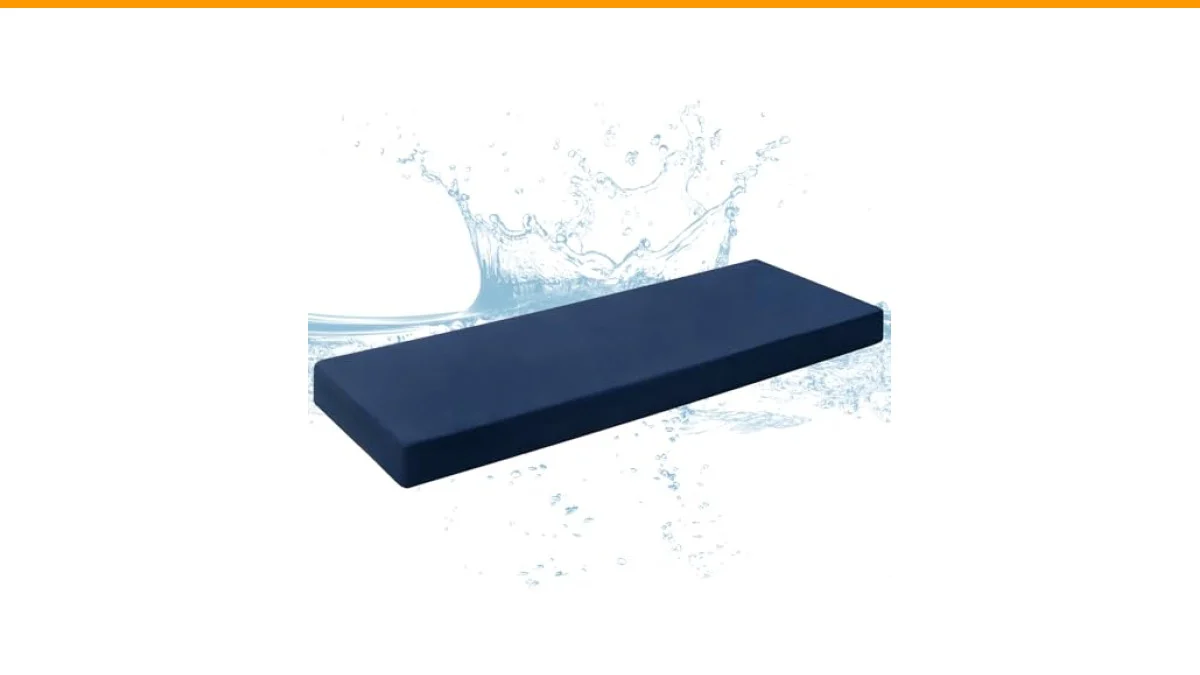
RRGFB Infrared Sauna Blanket for Home Detox, Portable, 6 ft x 2.6 ft | Low-EMF Waterproof Oxford fabric 1-60 min timer Overheat auto shut-off 5 wraps & bag
- Relaxation at Home: Transform your home into a relaxing spa with our sauna blanket. Just 30 minutes of use allows you to unwind an…
- Rejuvenating Sweat Experience: Support your daily wellness routine with a gentle, soothing sweat session. Regular use helps refres…
- Enhanced Blood Circulation: This infrared sauna blanket is designed to improve blood circulation, which can aid muscle recovery an…
For those looking to experience the benefits of sauna therapy at home, the RRGFB Infrared Sauna Blanket for Home Detox is a portable option worth considering. This blanket allows you to create a spa-like experience in your own space, making it easier to incorporate relaxation and detoxification into your daily routine.
Understanding Sauna Use and Cardiovascular Health
Sauna use has been linked to various health benefits, particularly concerning cardiovascular health. When you sit in a sauna, your body responds to the heat in several ways:
- Increased Heart Rate: Your heart rate can increase from around 70 beats per minute to about 120 beats per minute or more. This mimics the effects of moderate exercise.
- Vasodilation: Blood vessels expand, allowing for improved blood flow. This can lower blood pressure over time.
- Enhanced Blood Circulation: Increased circulation can promote better oxygen delivery to tissues and aid in muscle recovery.
Studies have shown that regular sauna use may reduce the risk of cardiovascular diseases. For instance, a Finnish study published in the Journal of the American Medical Association found that men who used saunas 4-7 times per week had a significantly lower risk of heart-related deaths compared to those who used them only once a week.
The Science Behind Sauna Benefits
Research indicates several mechanisms through which sauna use can positively affect heart health:
1. Improved Endothelial Function
The endothelium is a thin layer of cells that line blood vessels. Healthy endothelial function is crucial for regulating blood flow and maintaining vascular health. Heat exposure in saunas has been shown to improve endothelial function, which can lead to better cardiovascular outcomes.
2. Reduced Inflammation
Chronic inflammation is a significant risk factor for cardiovascular diseases. Sauna use can reduce markers of inflammation in the body, potentially lowering the risk of heart disease.
3. Stress Reduction
Stress is another important factor impacting heart health. The calming effects of heat can lower cortisol levels, which may, in turn, reduce stress-related risks to heart health. A relaxed mind contributes to a healthy heart.
Comparative Benefits of Different Sauna Types
| Sauna Type | Heat Source | Temperature Range | Health Benefits |
|---|---|---|---|
| Traditional Sauna | Wood stove or electric heater | 160-200°F | Detoxification, relaxation, improved circulation |
| Infrared Sauna | Infrared panels | 120-150°F | Penetrates deeper into tissues, muscle recovery, lower heat stress |
| Steam Sauna | Steam generator | 110-120°F | Hydration, respiratory benefits, skin health |
Each type of sauna offers unique benefits, catering to different preferences and health goals. For instance, infrared saunas may be better suited for those seeking muscle recovery due to their ability to penetrate deeper into tissues.
Practical Tips for Incorporating Sauna Use
To reap the cardiovascular benefits of sauna use, consider these practical tips:
- Start Slowly: If you’re new to saunas, begin with shorter sessions of 5-10 minutes, gradually increasing to 15-30 minutes as your body adapts.
- Stay Hydrated: Drink plenty of water before and after your sauna session to prevent dehydration.
- Listen to Your Body: Pay attention to how you feel. If you experience dizziness or discomfort, it’s best to exit the sauna.
- Frequency Matters: Aim for regular sessions, ideally 2-3 times per week, to enjoy the cumulative cardiovascular benefits.
- Combine with Other Activities: Use sauna sessions as part of a broader wellness routine, including exercise and healthy eating.
Incorporating sauna use into your wellness plan can be a rewarding endeavor that not only helps you unwind but also supports cardiovascular health over time.
Frequently Asked Questions
1. How often should I use a sauna for cardiovascular benefits?
To experience maximum cardiovascular benefits, aim for sauna sessions 2-4 times per week. Regular use can enhance heart health and overall well-being.
2. Can sauna use help lower blood pressure?
Yes, regular sauna use has been associated with lower blood pressure levels, primarily due to improved blood circulation and relaxation effects.
3. Is sauna use safe for everyone?
While sauna use is generally safe for most people, individuals with certain health conditions, such as severe heart disease or low blood pressure, should consult their healthcare provider before using a sauna.
4. How does sauna use compare to exercise for heart health?
While sauna use does elevate heart rate and has cardiovascular benefits, it shouldn’t replace regular exercise. Instead, consider it a complementary practice that enhances the effects of physical activity.
5. Can I use a sauna after a workout?
Yes, using a sauna after a workout can help with muscle recovery by improving circulation and promoting relaxation. Just remember to hydrate adequately.
Final Thoughts on Sauna and Cardiovascular Health
- Regular sauna use may lower the risk of cardiovascular diseases.
- Improved blood circulation and endothelial function are significant benefits.
- Different sauna types offer varied health benefits; choose what suits you best.
- Stay hydrated to maximize the benefits of your sauna sessions.
- Incorporate sauna use into a broader wellness routine for optimal results.
- Consult with your healthcare provider if you have existing health conditions.
- Consider products like the RRGFB Infrared Sauna Blanket for convenient home use.