Imagine you’re ready to unwind after a long week, but your electric sauna stove refuses to heat up. You check the control panel, but everything appears normal. Frustration sets in as you realize the heating element might be burnt out. This situation is all too familiar for sauna enthusiasts. Fortunately, replacing a burnt-out heating element isn’t as daunting as it might sound. In this article, you’ll learn the steps to effectively replace the heating element in your electric sauna stove, ensuring you can return to your relaxing routines.
After reading this, you’ll have a clear understanding of how to identify a burnt-out heating element, gather the necessary tools, and complete the replacement process safely. Let’s get started.

Fdit
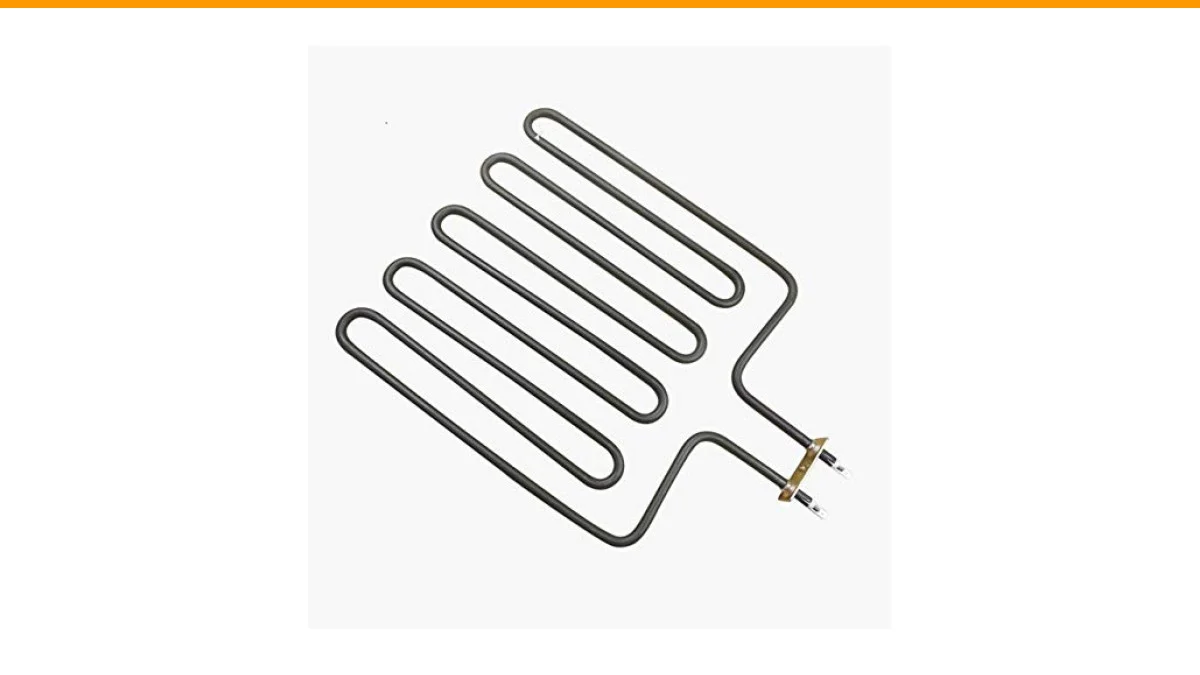
Fdit Practical Stainless Steel Electric Heating for Sauna Stove High Heat Transfer Straight Heat Sauna Heating Component(SCA-2000W)
- Premium Quality Stainless Steel: Constructed from high-quality stainless steel with a special treatment, this product offers excep…
- Superior Heat Transfer: Engineered for optimal heat transfer, this accessory warms up quickly, enhancing the efficiency of your sa…
- Sturdy and Long-Lasting: Designed for extended lifespan, this replacement part is an excellent choice for sauna stoves, providing…
For those looking for a reliable replacement, consider the Fdit Practical Stainless Steel Electric Heating Component. This element is designed for optimal heat transfer, ensuring your sauna heats up quickly and efficiently.
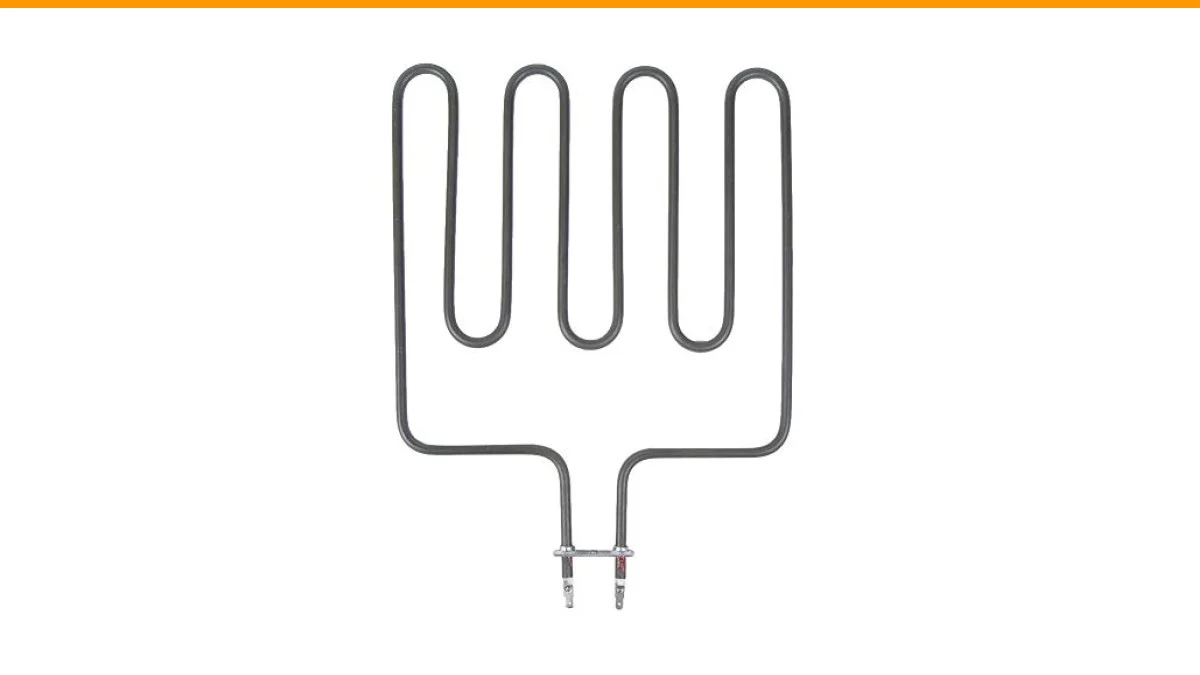
Identifying a Burnt-Out Heating Element
Before you dive into the replacement process, you need to confirm that the heating element is indeed burnt out. Here are some common signs:
- No Heat: The most obvious sign is that the unit isn’t producing heat at all.
- Burning Smell: A strong burning odor may indicate that the element has failed.
- Visible Damage: Inspect the heating element for any visible signs of damage, such as discoloration or breaks.
To test the heating element, use a multimeter. Set it to measure resistance (Ohms) and place the probes on the terminals of the heating element. A reading of infinite resistance indicates a burnt-out element. A reading within the manufacturer’s specifications suggests it’s functioning correctly.
Gathering the Necessary Tools and Materials
Once you’ve confirmed the heating element is burnt out, it’s time to gather the necessary tools for the replacement. Here’s a list:
- Multimeter for testing
- Screwdriver (Phillips or flathead, depending on your sauna model)
- Wrench or pliers
- Replacement heating element (like the Fdit model mentioned)
- Safety gloves and goggles
Having these tools ready will streamline the replacement process. It’s essential to use a heating element compatible with your sauna model to ensure safety and effectiveness.
Step-by-Step Guide to Replacing the Heating Element
Now, let’s walk through the steps to replace a burnt-out heating element in your electric sauna stove:
- Turn Off Power: Before you start, make sure to turn off the power to the sauna at the circuit breaker. Safety is paramount.
- Remove the Cover: Use your screwdriver to remove the cover panel of the sauna stove. This typically involves unscrewing a few screws.
- Disconnect Wires: Carefully disconnect the wires connected to the old heating element. Take note of their arrangement for reinstallation later.
- Remove the Old Element: Use a wrench to unscrew the old heating element from its housing. It may require some force if it’s been in place for years.
- Install the New Heating Element: Place the new heating element in the same position as the old one. Secure it with the wrench.
- Reconnect the Wires: Reconnect the wires to the new heating element according to the notes you took earlier.
- Replace the Cover: Once everything is connected, replace the cover panel and secure it with screws.
- Turn On Power: Restore power at the circuit breaker and test the sauna stove to ensure it heats up properly.
Each step is crucial. Skipping any could lead to further complications or safety hazards.
Comparing Heating Elements for Electric Sauna Stoves
| Model | Material | Power Rating (W) | Heat Transfer Efficiency |
|---|---|---|---|
| Fdit Practical Stainless Steel | Stainless Steel | 2000W | Excellent |
| Generic Electric Heating Element | Nickel-Chromium Alloy | 1500W | Good |
| High-Temperature Ceramic Element | Ceramic | 2500W | Very Good |
When choosing a replacement heating element, consider factors like material, power rating, and heat transfer efficiency. The Fdit model stands out for its durability and performance, making it an excellent choice for most sauna setups.
Frequently Asked Questions
How do I know if my sauna heating element is burnt out?
Common signs include no heat production, a burning smell, or visible damage to the element. A multimeter test can also confirm the issue.
Can I replace the heating element myself?
Yes, if you have basic DIY skills and the right tools, it’s a manageable task. Just remember to prioritize safety.
How long does it take to replace a heating element?
The process usually takes about 30 to 60 minutes, depending on your experience level and sauna model.
What type of heating element should I buy?
Choose an element compatible with your sauna model. Stainless steel options, like the Fdit, offer durability and efficiency.
What precautions should I take during replacement?
Always disconnect power before starting. Wear safety goggles and gloves, and ensure your workspace is dry to prevent electrical hazards.
Takeaways for a Successful Replacement
- Confirm the heating element is burnt out using a multimeter.
- Gather all necessary tools before starting the replacement.
- Follow safety precautions, including disconnecting power.
- Carefully document wire connections for accurate reinstallation.
- Consider using a high-quality heating element like the Fdit model for optimal performance.
- Test the sauna after installation to ensure proper functioning.
- Don’t hesitate to consult a professional if you encounter difficulties.