As winter approaches, many chicken owners find themselves worrying about the comfort and safety of their flock. Cold temperatures can stress chickens and even lead to health issues if not properly managed. You might be wondering how to heat a chicken coop with a space heater efficiently and safely. This article will guide you through the best practices, essential safety considerations, and effective options for heating your chicken coop.
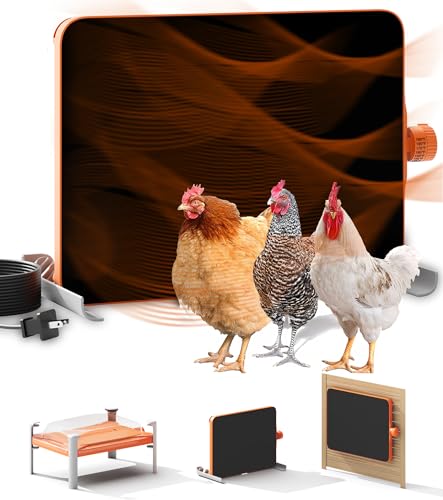
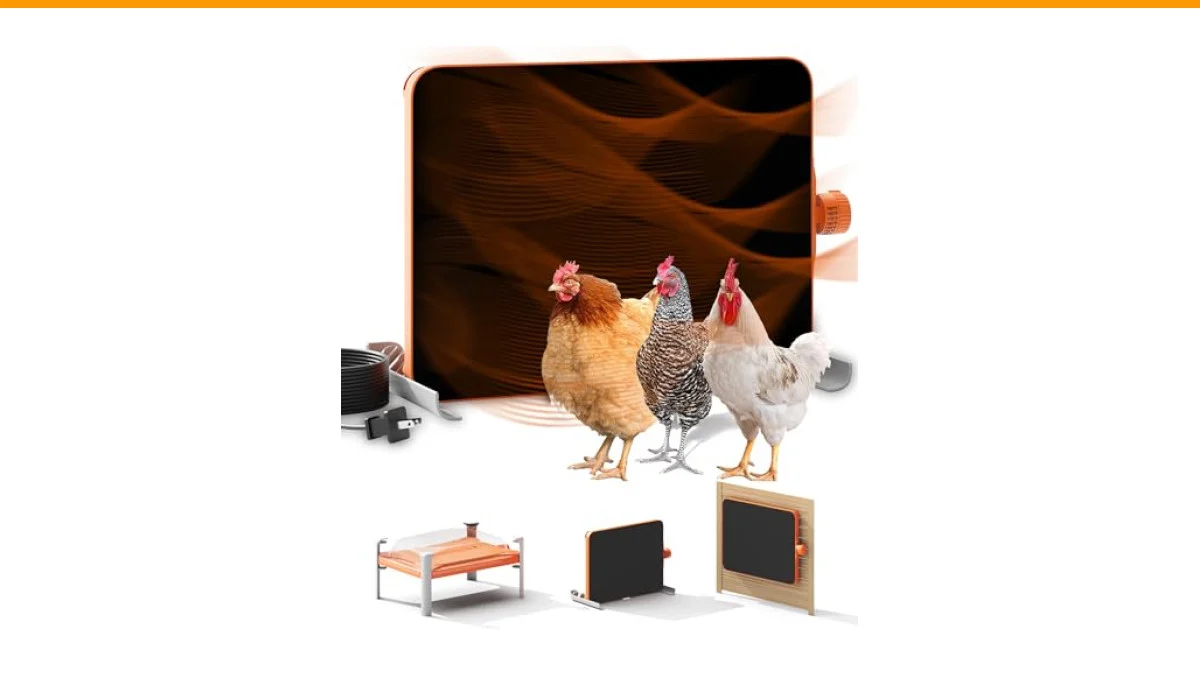
One practical solution is to use a specialized product like the Smart Chicken Coop Heater, a 200W Radiant Heat Panel with a temperature sensor. This device automatically adjusts its output based on the surrounding temperature, ensuring your chickens remain warm without the risk of overheating. With a temperature range of 70℉ to 190℉, it caters to the needs of both chicks and adult chickens, making it a versatile choice for your coop.
Chickcozy
Smart Chicken Coop Heater, 200W Radiant Heat Panel with Temperature Sensor | One Heater for Chicks & Adult Chickens, 70-190℉ Adjustable Range, Flat, Standing and Wall-Mount Modes for Every Growth Stage
- 🤖SMART SENSOR, SAFE COMFORT - Effortlessly adapts to any weather! With a built-in smart temperature sensor, this chicken heater ad…
- 🧷𝐈𝐌𝐏𝐎𝐑𝐓𝐀𝐍𝐓 - When the surrounding temperature is low, the built-in temperature sensor of the chicken heat plate automatically incr…
- 🐔ENSURE COMFORT THROUGH CHILLY NIGHTS - Ensure your flock thrives with perfect warmth for all activities—eating, drinking, resting…
Understanding the Basics of Heating a Chicken Coop
So, why is heating your chicken coop important? Chickens are sensitive to temperature fluctuations, and extreme cold can lead to decreased egg production, frostbite, or even death. Generally, adult chickens thrive best in temperatures between 32°F and 70°F. For chicks, the ideal temperature ranges from 90°F to 95°F during their first week of life, gradually decreasing as they grow.
When considering how to heat a chicken coop with a space heater, you’ll want to prioritize safety and efficiency. Chickens produce heat themselves, so the goal is to supplement their natural warmth during particularly cold spells. A well-insulated coop will retain heat better, reducing the workload on your heating equipment.
Choosing the Right Space Heater
Not all space heaters are suitable for chicken coops. Here are some factors to consider:
- Type of Heater: Radiant heaters, like the Smart Chicken Coop Heater, provide steady warmth and are often safer than traditional electric heaters.
- Power Output: A 200W heater is typically adequate for a small to medium-sized coop. Larger coops may require multiple units.
- Safety Features: Look for heaters with automatic shut-off features and temperature sensors to prevent overheating.
Each of these factors will affect how effectively you can heat your coop. Consider your specific needs before choosing a heater.
Installation Tips for Your Space Heater
Once you’ve selected your heater, proper installation is crucial. Here’s how to set it up:
- Select the Location: Place the heater where it can distribute heat evenly throughout the coop. Avoid corners where heat might accumulate.
- Secure Mounting: If using a wall-mounted heater, ensure it’s securely fastened and positioned at a safe height out of the chickens’ reach.
- Check Ventilation: Good ventilation is essential to prevent moisture buildup, which can lead to respiratory issues. Ensure your coop has adequate airflow while still retaining heat.
- Monitor Temperature: Use a thermometer to keep an eye on the coop’s temperature. Adjust the heater settings as needed, especially during cold snaps.
These steps can help you create a warm and safe environment for your chickens during the colder months.
Comparing Heating Options
| Heating Option | Pros | Cons |
|---|---|---|
| Radiant Heat Panel | Energy-efficient, safe, even heat distribution | Higher upfront cost |
| Electric Space Heater | Widely available, various styles | Risk of fire, can be noisy |
| Heat Lamps | Direct heat, inexpensive | Fire hazard, uneven heat distribution |
| Insulation and Natural Heat | No energy cost, safe | May not be enough in extreme cold |
Choosing the right heating option depends on your specific circumstances, including the size of your coop and local climate conditions.
Frequently Asked Questions
1. How much heat do chickens need in winter?
Chickens generally need to stay above freezing temperatures. Adult chickens can manage in temperatures down to 20°F if they have adequate shelter and protection. However, providing supplemental heat is beneficial during extreme cold spells.
2. Can I use a regular space heater in my chicken coop?
While you can use a regular space heater, it’s not always advisable. They can be a fire hazard and may not distribute heat evenly. Specialized products like the Smart Chicken Coop Heater are safer options.
3. How can I insulate my chicken coop?
Use materials like foam board, straw bales, or fiberglass insulation to insulate walls. Cover windows with plastic sheeting or thermal curtains to reduce heat loss.
4. What are the signs that my chickens are too cold?
Common signs include huddling together, decreased egg production, and lethargy. If you see frostbite on combs or wattles, it’s time to take action.
5. How safe are space heaters in chicken coops?
Safety depends on the type and installation. Always choose a heater designed for animal use, and follow installation instructions to minimize risks.
Take Action for a Cozy Coop
- Evaluate your coop’s insulation and repair any gaps.
- Consider installing a Smart Chicken Coop Heater for reliable warmth.
- Ensure proper ventilation while keeping the coop warm.
- Monitor temperatures regularly, especially during cold snaps.
- Be aware of your chickens’ behavior for signs of distress from cold.
- Review and adjust your heating method as needed throughout the winter.
- Stay informed about local weather conditions to anticipate heating needs.



