Winter Challenges for Chickens
As winter approaches, many chicken owners worry about how to keep their flock warm. Cold temperatures can lead to discomfort and even health issues for chickens. The risk increases significantly during extreme weather conditions, making proper heating essential. A well-heated coop not only protects your chickens from frostbite but also ensures they continue to lay eggs and stay healthy.
With various heating options available, knowing how to heat a chicken coop with a space heater can be a game changer. This article will provide practical advice on using space heaters effectively, highlight the benefits of specific products, and answer common questions about coop heating.
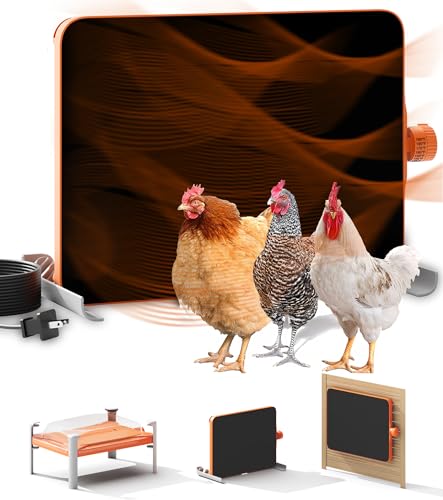
Chickcozy
Smart Chicken Coop Heater, 200W Radiant Heat Panel with Temperature Sensor | One Heater for Chicks & Adult Chickens, 70-190℉ Adjustable Range, Flat, Standing and Wall-Mount Modes for Every Growth Stage
- 🤖SMART SENSOR, SAFE COMFORT - Effortlessly adapts to any weather! With a built-in smart temperature sensor, this chicken heater ad…
- 🧷𝐈𝐌𝐏𝐎𝐑𝐓𝐀𝐍𝐓 - When the surrounding temperature is low, the built-in temperature sensor of the chicken heat plate automatically incr…
- 🐔ENSURE COMFORT THROUGH CHILLY NIGHTS - Ensure your flock thrives with perfect warmth for all activities—eating, drinking, resting…
One effective solution is the Smart Chicken Coop Heater from Chickcozy. This 200W radiant heat panel has a built-in temperature sensor that adjusts power based on the surrounding temperature. It ensures your chickens stay comfortable without the risk of overheating, making it an excellent choice for keeping your flock cozy all season.
Choosing the Right Space Heater
Selecting a space heater for your chicken coop involves more than just picking the first one you see. Not all heaters are created equal, and some are safer and more efficient than others. Here are key factors to consider:
- Type of Heater: Radiant heaters are often preferred for chicken coops. They provide even warmth and are less likely to cause fire hazards compared to traditional fan heaters.
- Power Consumption: Look for heaters that use less power while still providing adequate warmth. The Smart Chicken Coop Heater, for instance, operates on just 200W, making it energy-efficient.
- Safety Features: Ensure the heater has safety features like automatic shut-off and temperature control. This reduces the risk of overheating and fire hazards.
- Coverage Area: Consider the size of your coop. A heater that’s too small won’t warm the space adequately, while one that’s too powerful can create an uncomfortable environment.
Setting Up the Heater
Once you’ve chosen the right space heater, proper installation is crucial. Here are steps to set it up safely:
- Location: Place the heater in a corner of the coop, away from direct contact with bedding or flammable materials.
- Height Adjustment: If using a radiant heater like the Smart Chicken Coop Heater, adjust its height according to the size of your chickens. Younger chicks might need a lower setting, while adult hens may require higher placement.
- Monitor Temperature: Use a thermometer to monitor the coop’s temperature. The ideal range is between 70°F to 95°F for chicks and 100°F to 190°F for adult chickens.
- Regular Checks: Inspect the heater regularly for any signs of wear and ensure it’s functioning as intended.
Comparative Overview of Heating Options
| Heating Method | Pros | Cons |
|---|---|---|
| Space Heater | Effective and adjustable; quick to heat. | Requires power supply; potential fire hazard if not monitored. |
| Heat Lamp | Inexpensive; good for small areas. | Can be a fire risk; uneven heating. |
| Insulated Coop | Reduces heat loss; eco-friendly. | Higher initial cost; requires proper construction. |
| Heat Mat | Safe for chicks; low energy use. | Limited heating area; may not be sufficient in extreme cold. |
Common Misconceptions About Heating Chicken Coops
More Watts Means More Heat
A common misconception is that more watts mean more heat. While wattage indicates power consumption, it doesn’t directly equate to the effectiveness of heating. A well-designed space heater, like the Smart Chicken Coop Heater, can efficiently heat a coop without needing excessive wattage. Overly powerful heaters can create hot spots, leading to discomfort for your chickens.
Chickens Don’t Need Heat in Winter
Some chicken owners believe that chickens can tolerate winter without additional heat. While chickens have natural insulation from their feathers, extreme cold can lead to stress and health issues. Providing appropriate heat, especially during harsh conditions, is beneficial for their well-being.
All Heaters Are Safe
Not all heaters are safe for use in coops. Many conventional heaters pose fire risks, especially in a space with flammable bedding and materials. Always select heaters specifically designed for agricultural use or those with built-in safety features.
Heating Only Needs to Happen at Night
It’s a misconception that heating is only necessary at night. During cold days, the temperature can drop significantly, especially in uninsulated coops. Continuous monitoring and heating help maintain a stable environment for the chickens, promoting their health and productivity.
Chickens Can’t Regulate Their Temperature
Many people think chickens can’t regulate their temperature. While they can adapt to various temperatures, extreme conditions can overwhelm them. Providing a controlled environment helps them thrive.
Final Thoughts on Heating Your Chicken Coop
- Choose a heater designed for safety and efficiency.
- Consider the size and layout of your coop when selecting a heater.
- Monitor temperature regularly to ensure it stays within the ideal range.
- Regularly check the heater for signs of wear.
- Educate yourself on the specific needs of your flock.
- Always prioritize safety to prevent fire hazards.
- Invest in a quality heater like the Smart Chicken Coop Heater for reliable warmth.



