Keeping Your Pets Warm in Winter
Winter can be harsh, particularly for our furry friends who spend time outdoors. A chilly pet house can be uncomfortable and even unsafe for pets, especially for small breeds, elderly animals, or those with health issues. As temperatures drop, pet owners often seek ways to ensure their pets stay warm and cozy. Heating a pet house with a space heater is a practical solution that can provide the necessary warmth.
This article will guide you through the process of effectively heating a pet house using space heaters. You’ll learn about the types of heaters available, safety considerations, and tips for maintaining a comfortable environment for your beloved pets.

Dreyoo
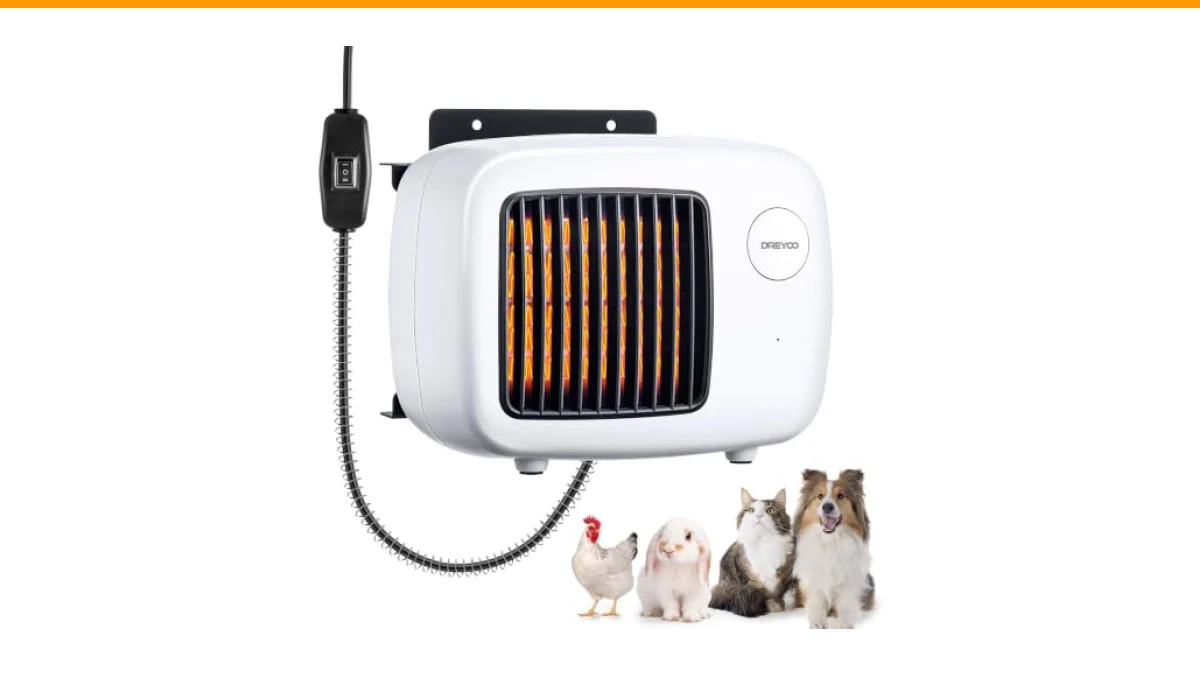
Dreyoo 600/300W Dog House Heater with Thermostat, Pet Heater with 6FT Anti Chew Cord and Safe Overheat Protection, 2 Heating Mode Pet Warmer for Dogs Chicken Coops Rabbits(White,1 Pcs)
- 【🐶🔥 Wall Space Pet House Heater】The wall space pet house heater adopts 120V input AC voltage with 300W/600W low wattage design, wh…
- 【🌡️🐾 Upgraded Thermostat Design】Compared to other pet house heaters, the dog house heater is equipped with an upgraded thermostat.…
- 【🔥🐶 Pet Friendly Heaters】The pet electric heater features an insulated surface so you don’t have to worry about burning your dog.…
One option to consider for heating your pet house is the Dreyoo 600/300W Dog House Heater. This heater features a built-in thermostat, ensuring that your pet’s space remains at a comfortable temperature while also being designed with safety in mind.
Choosing the Right Space Heater
When selecting a space heater for your pet house, consider the following factors:
- Wattage: Look for heaters with lower wattage ratings. For example, the Dreyoo heater offers 300W and 600W settings, allowing you to select the appropriate level of warmth without overloading your electrical system.
- Design: Heaters designed specifically for pet houses often come with features that enhance safety, like insulated surfaces and overheat protection.
- Size: Ensure the heater’s heating area matches the size of your pet house. A heater that covers up to 105 square feet is suitable for small to medium outdoor shelters.
- Thermostat: A built-in thermostat helps regulate temperature automatically, keeping your pet comfortable without excessive energy usage.
Installing the Space Heater
Installing a space heater in your pet house requires some planning:
- Choose the Right Location: Position the heater in a corner, ideally elevated off the ground and away from any bedding or flammable materials.
- Follow Installation Instructions: Heaters like the Dreyoo model come with easy installation steps. Typically, you’ll need to drill holes for mounting, ensuring the unit is securely attached.
- Check Electrical Connections: Ensure all electrical components are properly connected. Use a power outlet that can handle the heater’s wattage without tripping breakers.
It’s crucial to check the heater periodically to ensure it operates correctly, especially during extreme weather conditions.
Safety Considerations
Heating a pet house requires careful attention to safety:
- Overheat Protection: Select heaters with built-in overheat protection features to prevent them from becoming a fire hazard.
- Anti-Chew Cords: Opt for heaters with anti-chew cords to prevent pets from damaging the electrical components.
- Regular Maintenance: Clean the heater regularly to remove dust and pet hair, which can affect performance and safety.
Comparison of Heating Methods
| Heating Method | Pros | Cons |
|---|---|---|
| Electric Space Heater | Quick heating, adjustable settings, built-in safety features | Electricity costs, requires proper installation |
| Heating Pad | Targeted heating for specific areas, low energy use | Limited coverage, may not heat entire space |
| Insulated Pet House | Retains heat naturally, no electricity needed | Initial setup can be costly, effectiveness varies with insulation quality |
| Oil-Filled Radiator | Even heating, retains warmth after being turned off | Slower to heat, heavier and less portable |
Frequently Asked Questions
1. How much power do I need to heat a pet house?
The power required depends on the size of the space and the local climate. For an average pet house, a heater with 300W to 600W capacity is often sufficient.
2. Can I leave the space heater on overnight?
Leaving a space heater on overnight can be risky. Ensure it has safety features like auto shut-off and overheat protection. Regularly check the heater for any signs of malfunction.
3. What type of space heater is safest for pets?
Look for heaters specifically designed for pet use, featuring insulated surfaces, anti-chew cords, and built-in thermostats. The Dreyoo heater is an excellent example of this type.
4. How do I maintain a space heater for pets?
Regularly clean the heater to remove dust and pet hair. Inspect the power cord for damage and ensure all connections are secure. Follow the manufacturer’s maintenance guidelines.
5. Is it safe to use a space heater in a dog house?
Yes, it’s safe if you use a proper heater designed for pet spaces. Ensure it has safety features and is installed correctly to minimize risks.
Final Considerations
- Choose a heater with an appropriate wattage for your pet house size.
- Ensure proper installation and electrical safety.
- Look for features like overheat protection and a built-in thermostat.
- Regularly maintain your heater for optimal performance.
- Consider other heating methods for additional warmth.
- Monitor your pets to ensure they are comfortable.
- Stay informed about any recalls or safety notices related to your heater model.



