Introduction
Imagine it’s a chilly morning, and you turn on your car’s heater, only to find it’s not working. Frustrating, right? Many of us overlook the role that relays play in heating systems, but they are crucial components that can determine whether your heating system functions properly. Understanding how heater relays work can save you time, money, and a lot of headaches.
This article will explore what heater relays are, how they operate, their applications, and tips for choosing the right relays for your needs. By the end, you’ll have a better grasp of this essential part of heating systems.

ecocstm
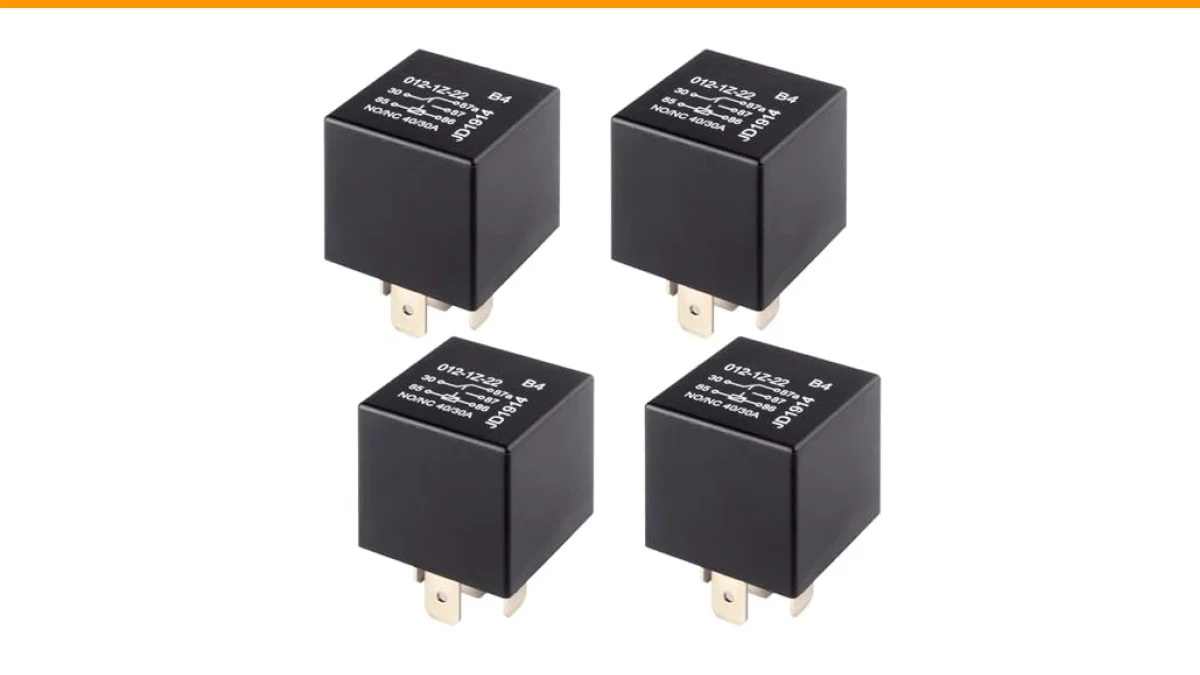
4 PCS Relays, 5 Pin Relay, 40A Waterproof Car Relays, 12V Relay Switch | Starter Relay for Electric Cooling Fans, Motor Starters, Automotive Taillights
- Quality Material: The a/c relay housing is made of PA66 flame-retardant material with pure copper enameled wires to ensure excelle…
- Excellent Waterproof Performance: The fuel pump relay base is sealed and waterproof with IP67 protection level, waterproof and dus…
- Relay Specifications: Package contains four starter relays, each model number JD1914-12V-40A, five-pin design, size 1.07 x 0.98 in…
If you’re in the market for reliable relays, consider the 4 PCS Relays from ecocstm. These 5-pin, 40A waterproof car relays are built from flame-retardant materials, ensuring high performance and durability in various environments.
What is a Heater Relay?
A heater relay is an electrically operated switch that controls the power supply to the heating element in various systems, such as vehicles and home heating systems. When you activate your heating system, the relay receives a low voltage signal, which it uses to close a switch and allow a higher voltage to flow to the heater. This action ensures that your heating system receives the necessary power to function effectively.
Relays are essential for isolating the low-voltage control circuit from high-voltage loads, increasing safety and efficiency. They can handle high current loads without needing heavy-duty switches in the control circuit, making them ideal for automotive and household applications.
How Do Heater Relays Work?
Understanding the operation of heater relays involves several key components:
- Coil: A wire coil that generates a magnetic field when current flows through it.
- Armature: A movable iron lever that is attracted to the coil when energized.
- Contacts: Metal pieces that open or close the circuit, controlling the flow of electricity.
- Spring: A component that returns the armature to its original position when the coil is de-energized.
When the heater control is activated, a small current flows through the coil, creating a magnetic field that pulls the armature. This movement closes the contacts, allowing a larger current to flow from the power source to the heater. When the control is turned off, the current to the coil stops, the magnetic field collapses, and the spring pulls the armature back, opening the contacts and cutting off the power supply to the heater.
The entire process can happen in milliseconds, allowing for quick and efficient control of the heating system.
Applications of Heater Relays
Heater relays are versatile and used in various applications:
- Automobiles: Used to control car heating systems, including the cabin heater and engine block heaters.
- Home Heating Systems: Found in furnaces, boilers, and electric heaters.
- Industrial Equipment: Used in machinery that requires heating elements for processes like drying and curing.
- Electric Vehicles: Control heating elements for battery management systems and cabin heating.
In each of these applications, the reliability of the relay is critical for safe and efficient operation. A faulty relay can lead to system failures or increased energy consumption.
Choosing the Right Heater Relay
Selecting a heater relay involves considering several factors:
- Current Rating: Choose a relay that can handle the current requirements of your heating system. For instance, a relay rated for 40A is suitable for high-load applications.
- Voltage Rating: Ensure the relay matches the operating voltage of your system, typically 12V for automotive applications.
- Environmental Factors: If the relay will be exposed to moisture or dust, opt for one with waterproof features, like those with an IP67 rating.
- Pin Configuration: Familiarize yourself with the relay’s pin configuration to ensure compatibility with your existing system.
The 4 PCS Relays from ecocstm meet these criteria well, offering a reliable option for various applications.
Frequently Asked Questions
1. What happens if a heater relay fails?
If a heater relay fails, it may either remain closed or open. A closed relay can cause continuous power flow, leading to overheating or damage, while an open relay will prevent the heating system from functioning.
2. How can I test a heater relay?
To test a heater relay, use a multimeter to check the resistance across the coil and contacts. A functioning relay will show continuity when energized and infinite resistance when de-energized.
3. Can I replace a heater relay myself?
Yes, replacing a heater relay is generally straightforward. Make sure to disconnect power before starting. Follow the wiring diagram to ensure correct connections during replacement.
4. How long do heater relays typically last?
Heater relays can last several years, depending on usage and environmental conditions. Regular maintenance can extend their lifespan.
5. Are all heater relays the same?
No, heater relays come in various ratings and configurations. Always check specifications and compatibility with your specific system before purchasing.
Takeaways
- Heater relays control the power supply to heating systems, ensuring efficient operation.
- Understanding the components of a relay helps in troubleshooting and maintenance.
- Choose relays based on current and voltage ratings for optimal performance.
- Waterproof features can enhance durability in challenging environments.
- The 4 PCS Relays from ecocstm provide a reliable solution for various applications.
- Testing and replacing relays can be done safely with basic tools and knowledge.
- Regular maintenance can ensure the longevity of heater relays.



