Imagine stepping out into a winter wonderland, the chill of the air contrasting sharply with the warmth of an outdoor sauna. The experience is invigorating, yet it raises questions about safety and duration. How long should you stay in an outdoor sauna when it’s freezing outside? This article will guide you through the factors influencing sauna session lengths, tips for maximizing your experience, and how to ensure safety while enjoying the benefits of heat therapy.
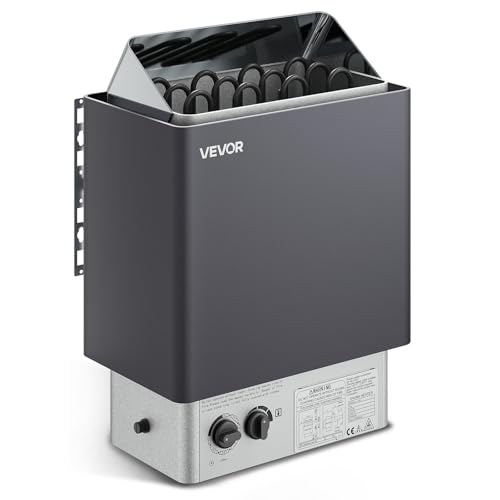
Whether you have a personal sauna at home or visit a spa, understanding your limits is crucial. With the right sauna heater, such as the VEVOR Sauna Heater, you can enjoy consistent heat and an effective sauna experience. This model heats up quickly and can accommodate various sauna sizes, making it an excellent choice for both residential and commercial settings.
VEVOR
VEVOR Sauna Heater, 6KW 220V Electric Sauna Stove, Steam Bath Sauna Heater with Built-in Controls, 3h Timer and Adjustable Temp for Max. 176-318 Cubic Feet, Home Hotel Spa Shower Use
- Fast Heating: This heater is 220-240V AC, a special voltage. The site conditions need to be evaluated before use. Power: 6KW; Suit…
- Built to Last Construction: The sauna heater features an aluminized zinc shell, ensuring high resistance to corrosion and a long l…
- Adjust the Temp and Time: The home sauna heater features user-friendly mechanical knobs for temperature and time control, providin…

Understanding Sauna Benefits and Risks
Saunas offer numerous benefits, including relaxation, muscle recovery, and improved circulation. However, exposure to high temperatures can pose risks, especially in cold weather. Here’s what you should keep in mind:
- Body Temperature Regulation: The average sauna temperature ranges from 150°F to 195°F (65°C to 90°C). When it’s freezing outside, your body works harder to maintain its core temperature.
- Dehydration: Prolonged exposure to heat can lead to dehydration. This is crucial when temperatures drop below freezing, as your body may not realize how much fluid it’s losing through sweat.
- Cold Shock: Quickly transitioning from hot to cold can be a shock to your system. Plan your sauna sessions accordingly to avoid sudden temperature changes that can cause dizziness or fainting.
Optimal Duration for Sauna Sessions in Cold Weather
The duration you should stay in an outdoor sauna when it’s freezing outside depends on several factors, such as your experience level and health status. Here’s a guideline:
- Beginners: If you’re new to sauna use, start with 5-10 minutes. This allows your body to acclimate to the heat without overwhelming it.
- Intermediate Users: For those accustomed to sauna sessions, aim for 15-20 minutes. You’ll benefit from the heat while still being mindful of hydration.
- Advanced Users: Experienced sauna-goers can comfortably stay in for 20-30 minutes. Ensure you take breaks to cool down if you feel lightheaded.
- Temperature Considerations: If the temperature outside is extremely low (below 20°F or -6°C), reduce your time by 5 minutes to account for the increased stress on your body.
Pro Tip:
Hydrate well before and after your sauna session. Drinking water or herbal tea helps replace fluids lost through sweating.
Factors Influencing Sauna Duration
When determining how long to stay in an outdoor sauna, consider these factors:
- Personal Comfort: Everyone’s heat tolerance varies. Pay attention to how your body feels and adjust your time accordingly.
- Health Conditions: Individuals with cardiovascular issues or respiratory problems should consult a healthcare provider before sauna use.
- Sauna Type: Different types of saunas (traditional, infrared, steam) may affect your comfort level and session duration. Infrared saunas usually operate at lower temperatures, allowing for longer sessions.
- Acclimatization: Your body adapts to heat over time. If you’re regularly using a sauna, you may find you can stay in longer without discomfort.
How to Stay Safe While Enjoying Your Sauna
Staying safe in a sauna, especially when it’s freezing outside, requires some precautions:
- Listen to Your Body: If you start feeling dizzy, nauseous, or excessively sweaty, exit the sauna immediately.
- Cool Down Effectively: After your sauna session, allow your body to cool down naturally. A cold shower can be invigorating but avoid extreme temperature changes.
- Limit Alcohol: Alcohol can impair your judgment and increase the risk of dehydration. Avoid drinking before or during your sauna session.
- Have a Buddy System: If you’re using an outdoor sauna in a secluded area, consider having a friend with you. This ensures someone is available to assist if needed.
| Experience Level | Recommended Duration | Hydration Tips | Safety Notes |
|---|---|---|---|
| Beginner | 5-10 minutes | Drink 1 cup of water before | Monitor for dizziness |
| Intermediate | 15-20 minutes | Hydrate with water or herbal tea | Take breaks if needed |
| Advanced | 20-30 minutes | Hydrate well before and after | Consider cooling down midway |
Common Questions About Sauna Use in Cold Weather
1. Can I use a sauna every day?
Yes, many people use saunas daily as part of their wellness routine. However, listen to your body and adjust frequency based on how you feel.
2. What should I wear in a sauna during winter?
Wear minimal clothing to allow your body to absorb heat effectively. A swimsuit or a towel is usually sufficient.
3. How do I know if I’m overheating?
Signs include dizziness, nausea, and excessive sweating. If you experience these, exit the sauna and cool down.
4. Is it safe to drink alcohol before using a sauna?
It’s not advisable. Alcohol can impair your ability to gauge your body’s response to heat and increases dehydration risk.
5. Should I use the sauna for muscle recovery?
Yes, saunas can help with muscle recovery due to improved circulation. Just be sure to hydrate thoroughly afterward.
Takeaways for a Safe and Enjoyable Sauna Experience
- Start with shorter sessions if you’re new to sauna use.
- Stay hydrated before and after your sauna visit.
- Monitor your body’s signals to avoid overheating.
- Consider the outside temperature when planning your duration.
- Use a quality sauna heater for consistent heat, like the VEVOR Sauna Heater.
- Don’t rush the transition from hot to cold; allow your body to acclimate.
- Always have a buddy or let someone know you’re using the sauna for safety.