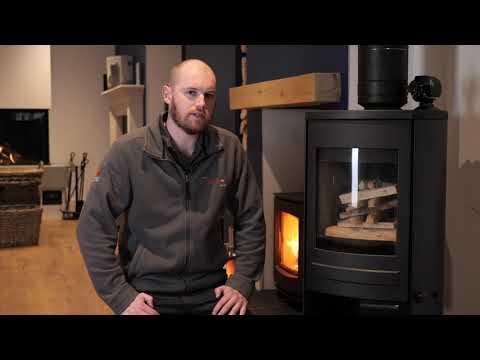
 Ways to prevent a wood burning stove from smoking when you light itWatch on YouTube
Introduction
Imagine settling into your cozy sauna after a long day, only to be greeted by an overwhelming cloud of smoke. It’s not an uncommon scenario for sauna enthusiasts using wood-burning stoves. Excessive smoke indoors can ruin the tranquil experience of a sauna session and raises concerns about air quality and safety.
This article aims to address the various factors contributing to excessive smoke from wood-burning sauna stoves. You’ll walk away with practical steps to troubleshoot and resolve this issue effectively.

Harvia
Harvia M3 Woodburning Sauna Heater
- Wood-burning. 16.5kW. Elegant graphite black.
- Stainless steel air-flow spoiler. Floor installation.
- Designed, engineered, and made in Finland. For sauna rooms from 212 to 459 cu. ft.
For those considering a wood-burning sauna heater, the Harvia M3 Woodburning Sauna Heater is a reliable option. With its elegant design and efficient heating capabilities, it can enhance your sauna experience while minimizing smoke when properly maintained.
Understanding Wood Burning Stoves
Wood-burning sauna stoves operate by burning wood to generate heat. This process produces smoke, which ideally should be vented outside. When excessive smoke fills the sauna, it indicates a problem that needs addressing. Here are some common reasons for smoke issues:
- Insufficient Air Supply: Stoves require adequate airflow to facilitate complete combustion. If the air intake is blocked or insufficient, incomplete combustion occurs, leading to smoke.
- Wet or Unseasoned Wood: Burning wet or unseasoned wood produces more smoke. The moisture content in the wood leads to inefficient burning and higher smoke output.
- Flue Blockages: A blocked chimney or flue can prevent smoke from escaping, causing it to backtrack into the sauna.
- Improper Installation: If the stove isn’t correctly installed, it can lead to smoke escaping into the sauna instead of venting outside.
Troubleshooting Excessive Smoke
Identifying the cause of excessive smoke is the first step towards resolving the issue. Here’s a step-by-step guide to troubleshoot your wood-burning sauna stove:
- Check Air Supply: Ensure that the air supply vent is open and unobstructed. Adjust it if necessary to allow more air into the combustion chamber.
- Inspect the Wood: Use seasoned wood with a moisture content below 20%. Wood that has been properly dried will burn more efficiently, producing less smoke.
- Examine the Flue: Inspect the chimney and flue for blockages. Use a chimney brush to clean any creosote build-up that may hinder smoke flow.
- Review Installation: If you suspect improper installation, consult a professional to evaluate the setup. A proper installation aligns the stove with the chimney for optimal venting.
Preventive Measures
Taking preventive actions can significantly reduce the chances of excessive smoke. Here are some tips to keep your sauna experience smoke-free:
- Use Quality Wood: Invest in high-quality, seasoned firewood. Store it in a dry place to maintain low moisture levels.
- Regular Maintenance: Schedule regular maintenance for your stove and chimney. Annual inspections can catch issues before they escalate.
- Monitor Wood Size: Cut wood to appropriate sizes for your stove. Larger logs take longer to ignite and can lead to smoke if not properly managed.
- Educate Yourself: Understanding how your stove works and the best practices for usage can prevent many common issues.
Comparison Table of Wood-Burning Sauna Stoves
| Model | Power Output | Material | Room Size | Airflow Control |
|---|---|---|---|---|
| Harvia M3 | 16.5kW | Stainless Steel | 212 – 459 cu. ft. | Yes |
| Aleko Wood Burning Stove | 12kW | Cast Iron | 100 – 300 cu. ft. | No |
| Finlandia FLB | 15kW | Steel | 200 – 450 cu. ft. | Yes |
Frequently Asked Questions
1. What should I do if my sauna stove is smoking excessively?
Start by checking the air supply and ensuring you are using seasoned wood. Inspect the chimney for blockages, and if issues persist, consult a professional.
2. How can I tell if my wood is seasoned?
Seasoned wood typically has cracks in the ends and sounds hollow when tapped together. You can also check the moisture content with a moisture meter; it should be below 20%.
3. Can I use softwood instead of hardwood in my sauna stove?
Softwoods burn faster and can produce more smoke due to higher resin content. While you can use them, hardwoods are generally recommended for a cleaner burn.
4. What are the signs of a blocked flue?
Signs include unusual smoke buildup inside the sauna, a strong smoke smell, and difficulty starting the fire. Regular inspections can help catch blockages early.
5. How often should I clean my chimney?
It’s advisable to clean your chimney at least once a year, or more frequently if you use your stove regularly. This prevents creosote build-up, which can lead to dangerous chimney fires.
Final Thoughts
- Ensure sufficient air supply to your stove.
- Always use seasoned wood for burning.
- Regularly inspect and clean your chimney.
- Consult a professional for installation or persistent issues.
- Stay informed about your stove’s operation to prevent smoke problems.
- Consider high-quality models like the Harvia M3 for better performance.
- Maintain good sauna practices for a better experience.