 Best Space Heaters For Basement 🔥: 2020 Buyer’s Guide | HVAC Training 101Watch on YouTube
Introduction to Heating a Basement
Picture a chilly winter evening, and you walk down into your basement only to be greeted by a cold air blast. If you’ve ever found your basement to be uncomfortably cold, you’re not alone. Many homeowners face the challenge of adequately heating this often-overlooked space. Understanding how many watts are needed to heat a basement is crucial not just for comfort but also for energy efficiency.
In this article, you’ll discover how to calculate the wattage required for heating your basement, the factors influencing your needs, and the various types of heaters available. After reading, you’ll have the knowledge needed to make informed decisions about heating your basement effectively.

Heat Storm
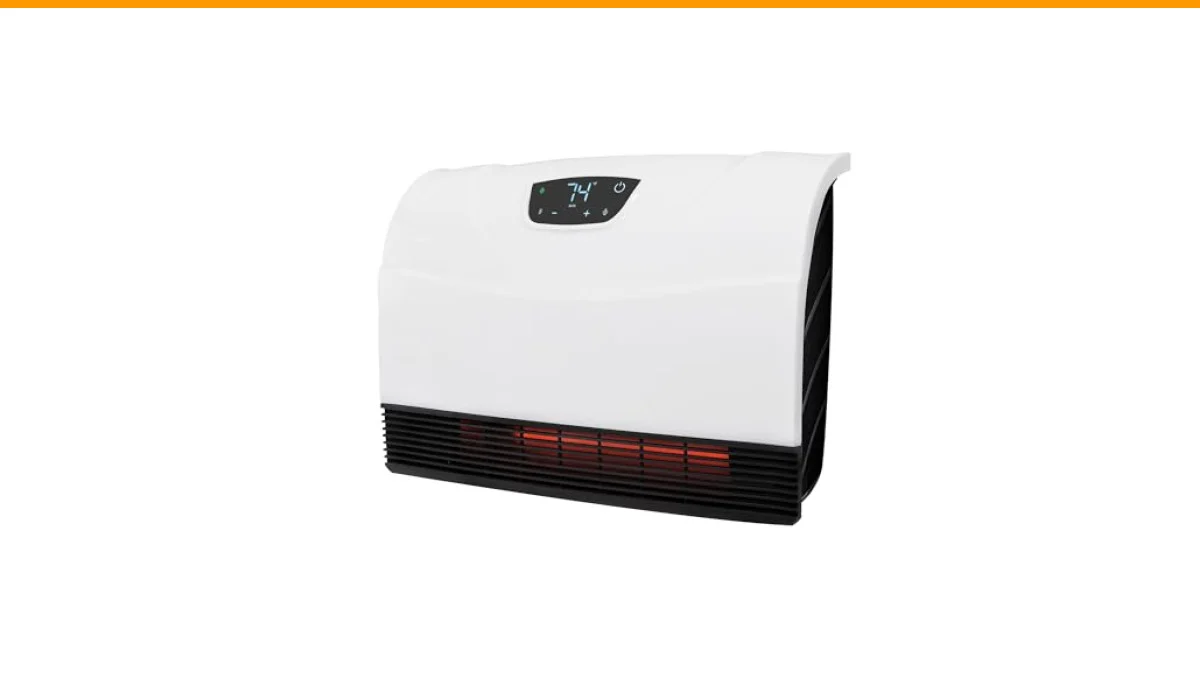
Heat Storm HS-1500-PHX-WIFI Infrared Heater, Wifi Wall Mounted
- (Wall Mounted Heater Only.) Wi-Fi enabled makes it possible for you to control the temperature from your phone!
- Tip-Over safety shut off, Touch screen with digital thermostat, and remote included.
- Space saving wall mount design means you don't lose floor space. Perfect for bedrooms, kitchens, offices and more
One option worth considering is the Heat Storm HS-1500-PHX-WIFI Infrared Heater. This wall-mounted heater allows you to control the temperature from your phone, saving both space and energy while ensuring your basement stays warm.
Understanding Watts and BTUs
In heating terms, watts and BTUs (British Thermal Units) are essential concepts. Watts measure the electrical power consumed by a heater, while BTUs indicate the amount of heat produced. To determine how many watts to heat a basement, you can convert BTUs to watts using the formula: 1 BTU = 0.293 watts.
For example, if you need a heater that produces 10,000 BTUs, you would require around 2,930 watts (10,000 BTUs x 0.293). Understanding these measurements helps you choose the right heater based on your basement’s heating requirements.
Factors Influencing Heating Requirements
Insulation Quality
The insulation quality of your basement significantly affects how many watts you need. Poor insulation allows heat to escape, increasing your wattage requirement. In contrast, well-insulated basements retain heat better, requiring fewer watts for heating. For example, an uninsulated basement may need approximately 10 watts per square foot, while a well-insulated basement might only need around 5 watts per square foot.
Room Dimensions and Layout
Room size plays a critical role in determining the wattage needed. The larger the area, the more watts you’ll require. A general rule of thumb is to calculate 20 watts per square foot of heated space. For example, if your basement is 500 square feet, you would need around 10,000 watts (500 sq ft x 20 watts/sq ft). Keep in mind that the layout can also impact air circulation, which can affect heating efficiency.
Climate Considerations
The climate in your region also influences your heating needs. Colder climates require more wattage compared to milder ones. For instance, a basement in a warm climate may need only about 5 watts per square foot, while colder regions may require 15 watts per square foot or more. Assessing local climate conditions can refine your wattage calculations.
Baseboard Heater Types Explained
Electric vs. Hydronic
When it comes to heating options, electric and hydronic baseboard heaters are popular choices. Electric heaters convert electric energy directly into heat, while hydronic heaters circulate hot water through pipes to radiate heat. Each type has its benefits and drawbacks.
Pros and Cons of Each Type
Electric heaters are generally easier to install and maintain. They often come with built-in thermostats, allowing for precise temperature control. However, they can lead to higher electricity bills if not managed well. Hydronic heaters, on the other hand, are more energy-efficient and can provide a more uniform heating experience, but they require a more complex installation and setup.
How to Calculate Wattage Needs
Using the Sizing Formula
To calculate the total wattage needed for your basement, start with the dimensions and insulation type. Use the formula: Total Watts = Area (sq ft) x Watts per sq ft. For example, a 600 sq ft basement with average insulation might need 12,000 watts (600 sq ft x 20 watts/sq ft).
Adjustments for Real Rooms
Consider factors such as ceiling height and windows. Higher ceilings may require additional wattage, while large windows may lead to heat loss. Adjust your total wattage accordingly. For example, if your basement has 8-foot ceilings instead of 10-foot, you might reduce the wattage requirement by 10%.
Installation and Placement Tips
Correct placement of heaters is vital for effective heating. Install heaters in areas where air circulation is optimal, typically near windows or doors. Keep them away from obstructions to ensure even heat distribution. If using wall-mounted heaters like the Heat Storm HS-1500-PHX-WIFI Infrared Heater, place them at least a few inches from the floor to avoid direct exposure to moisture.
Energy Efficiency and Cost Considerations
Heating a basement can become pricey if not managed properly. Consider using programmable thermostats to regulate temperature efficiently. Also, assess the energy efficiency of the heater you choose. Units with higher wattage may heat faster but can lead to inflated energy bills. Opt for heaters with energy-saving features to mitigate costs over time.
Common Questions and Troubleshooting
How can I tell if my heater is powerful enough?
If your basement remains cold or takes too long to heat, your heater may not be powerful enough. It’s crucial to calculate the required wattage based on room size and insulation.
What’s the best type of heater for a basement?
Electric heaters are often preferred for their ease of installation. Hydronic heaters, while more complex, can offer better efficiency and comfort in larger spaces.
Can I heat my basement with a space heater?
Yes, a space heater can be effective for small areas or occasional use. Ensure it meets safety guidelines and is appropriately sized for your space.
Is insulation really that important?
Absolutely. Good insulation can cut your heating costs significantly. Poor insulation means more watts are needed to maintain a comfortable temperature.
What maintenance do heaters require?
Regularly check filters, clean vents, and ensure there are no obstructions. For hydronic systems, check for leaks and the condition of pipes.
Final Thoughts and Recommendations
- Calculate the required watts based on room size and insulation.
- Consider climate when determining wattage needs.
- Choose the right heater type based on your specific needs.
- Install heaters in optimal locations for even heat distribution.
- Monitor energy consumption to manage costs effectively.
- Maintain your heating system for optimal performance.
- Consult professionals if unsure about installation or sizing.

