 ✅Ceramic Heater: Best Ceramic Heaters (Buying Guide)Watch on YouTube
Introduction to Ceramic Heaters
Winter often brings a chill that can seep into your home, making you reach for a heater. Whether you’re curling up on the couch with a blanket or trying to stay warm while working from home, having the right ceramic heater is essential. Choosing the right size heater can significantly impact your comfort and energy costs. This article will guide you through the process of determining what size ceramic heater you need based on your specific circumstances.
You’ll walk away knowing how to calculate heating capacity, understand the importance of insulation, and compare different heating options. With this knowledge, you’ll be better equipped to make an informed decision that suits your needs.

Amazon Basics
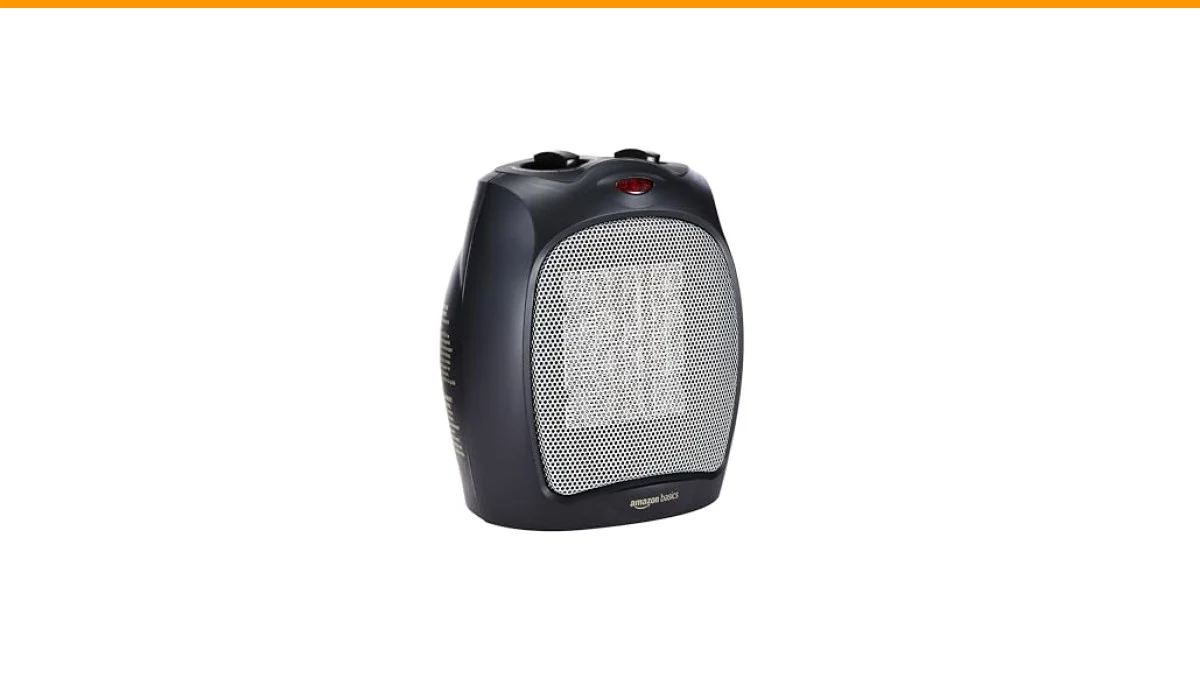
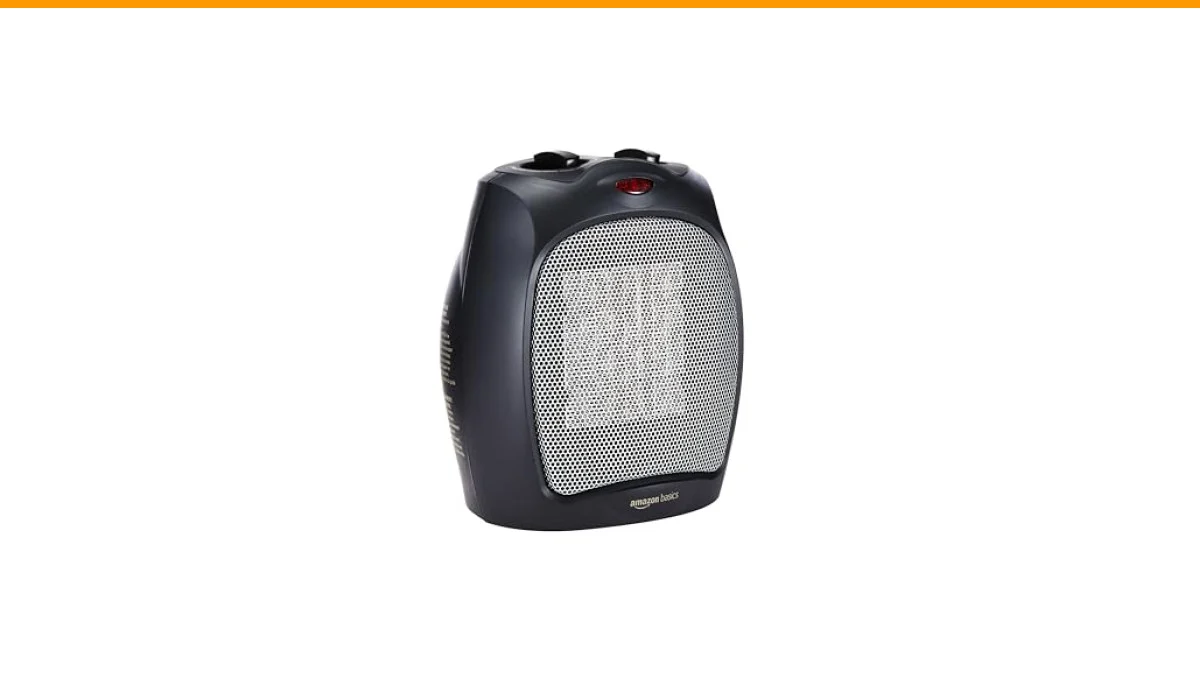
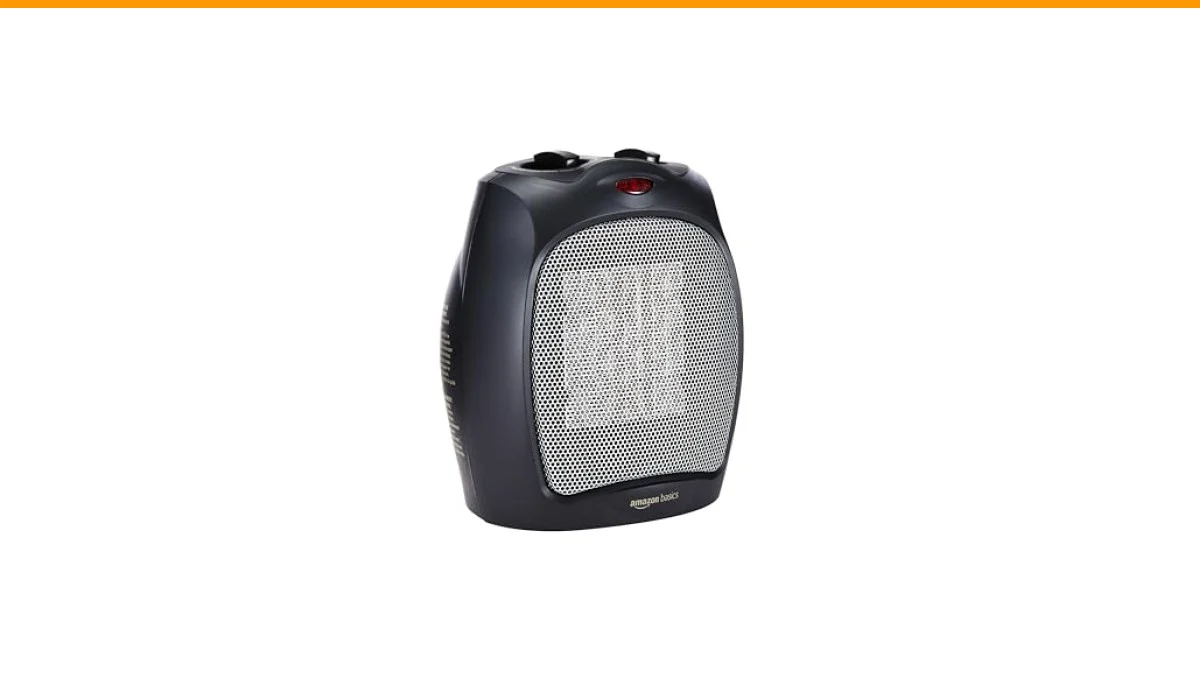
Amazon Basics Ceramic Space Heater, Portable Indoor Heating Solution, With Overheat and Tip-Over Protection, Thermostat, Non-Oscillating, 1500W, 7.52"D x 6.34"W x 9.45"H, Black
- CUSTOMIZABLE HEATING OPTIONS: Choose from three settings to suit your needs - High (1500W), Low (900W), or Fan Only for air circul…
- COMPACT & PORTABLE: Weighing just 3 lbs and sized at 7.5“L x 6.3”W x 9.5“H, this space heater is easy to move and perfect for your…
- Built-in Tip-Over Protection, Overheat Protection, and a Power Indicator Light for safe operation.
A practical choice for many is the Amazon Basics Ceramic Space Heater. This portable heater offers customizable heating options and safety features, making it suitable for various indoor spaces.
Understanding Heating Capacity
Heating capacity refers to the ability of a heater to warm a specific area. It’s typically measured in watts, with 10 watts per square foot being a common rule of thumb for estimating heating needs. However, this can vary based on several factors, including:
- Room Size: Larger rooms require more wattage.
- Insulation Quality: Well-insulated rooms retain heat better than poorly insulated ones.
- Ceiling Height: Higher ceilings may require additional heating.
For example, a 150 square foot room would need approximately 1,500 watts (150 sq. ft. x 10 watts/sq. ft.) to maintain a comfortable temperature. However, if the room is poorly insulated, you might need up to 20% more wattage to compensate for heat loss.
How to Calculate the Right Size for Your Room
Calculating the right size ceramic heater involves a few straightforward steps:
- Measure Your Room: Determine the length and width of the room. Multiply these figures to get the square footage.
- Assess Insulation: Consider how well your room retains heat. Poorly insulated spaces may require more wattage.
- Calculate Wattage: Multiply the square footage by the appropriate wattage per square foot (10-20 watts). Adjust based on insulation quality.
For instance, if your room is 200 square feet and has average insulation, you would typically need around 2,000 watts. If it’s poorly insulated, you might need up to 2,400 watts.
Comparing Ceramic Heaters with Other Heating Options
Ceramic heaters are just one option among various heating solutions. Here’s a brief comparison of ceramic heaters with other common options:
| Type | Heating Method | Efficiency | Cost | Noise Level |
|---|---|---|---|---|
| Ceramic Heaters | Radiant | High | Moderate | Low |
| Baseboard Heaters | Convection | Moderate | High | Medium |
| Oil-Filled Heaters | Radiant | High | Moderate | Low |
| Forced Air Heaters | Convection | High | Moderate | High |
Ceramic heaters are particularly effective for zone heating, which allows you to heat specific areas of your home without raising the temperature throughout the entire house. This can lead to significant energy savings.
Safety Features and Best Practices
Safety is paramount when using any heater. Here are some essential safety features to look for:
- Tip-Over Protection: This feature automatically shuts off the heater if it tips over, reducing fire risks.
- Overheat Protection: Heaters with this feature will turn off when they reach a certain temperature.
- Thermostat Control: A built-in thermostat helps maintain a consistent temperature by cycling the heater on and off.
Always position your heater on a flat, stable surface away from flammable materials. Avoid using extension cords, as they can overheat and cause fires.
Optimizing Heater Performance and Energy Efficiency
To maximize the efficiency of your ceramic heater, consider these tips:
- Close Doors and Windows: Prevent heat loss by sealing off the room.
- Use Curtains: Heavy curtains can help insulate windows and retain warmth.
- Maintain Your Heater: Regularly clean the heater and ensure its filters are free from dust.
Additionally, using a heater with a fan can help distribute heat more evenly throughout the room.
Common Misconceptions About Ceramic Heaters
Many myths surround ceramic heaters. Here are a few common misconceptions:
- They Are Only for Small Rooms: While ceramic heaters are great for small spaces, many models can effectively heat larger areas.
- They Consume Excessive Power: Ceramic heaters use less power compared to traditional heating systems, especially when used for zone heating.
- They Are Noisy: Most ceramic heaters operate quietly, making them suitable for bedrooms or offices.
Real-World Examples of Heater Sizing
Understanding how to size your heater can be illuminated through real-world examples:
- A 300 square foot living room with average insulation would need approximately 3,000 watts. However, if the room has large windows, you might need up to 3,600 watts.
- A well-insulated bedroom of 120 square feet may only require 1,200 watts, making a smaller ceramic heater like the Amazon Basics model a perfect fit.
These examples show how factors like room size and insulation impact heater sizing.
Final Thoughts and Practical Tips
- Measure your room size accurately.
- Consider the insulation quality of your space.
- Adjust wattage calculations for specific features like ceiling height.
- Look for safety features like tip-over and overheat protection.
- Maintain your heater for optimal performance.
- Use curtains and close doors to improve heating efficiency.
- Understand the differences between various heater types to make the best choice for your needs.
For further information on related topics, check out our articles on tankless water heating and eco-friendly heating options.