Imagine you’re camping in a remote area, relying on a propane heater to keep your tent warm during a chilly night. Suddenly, the heater starts sputtering and the flame flickers. This scenario highlights the importance of understanding how a propane regulator works on a heater. The regulator is crucial for ensuring a steady flow of propane, maintaining consistent heat output and safe operation.
This article will explain the inner workings of propane regulators, their significance in heating systems, and how to choose the right one for your needs. By the end, you’ll be equipped with knowledge that empowers you to make informed decisions about heating solutions.

Flame King
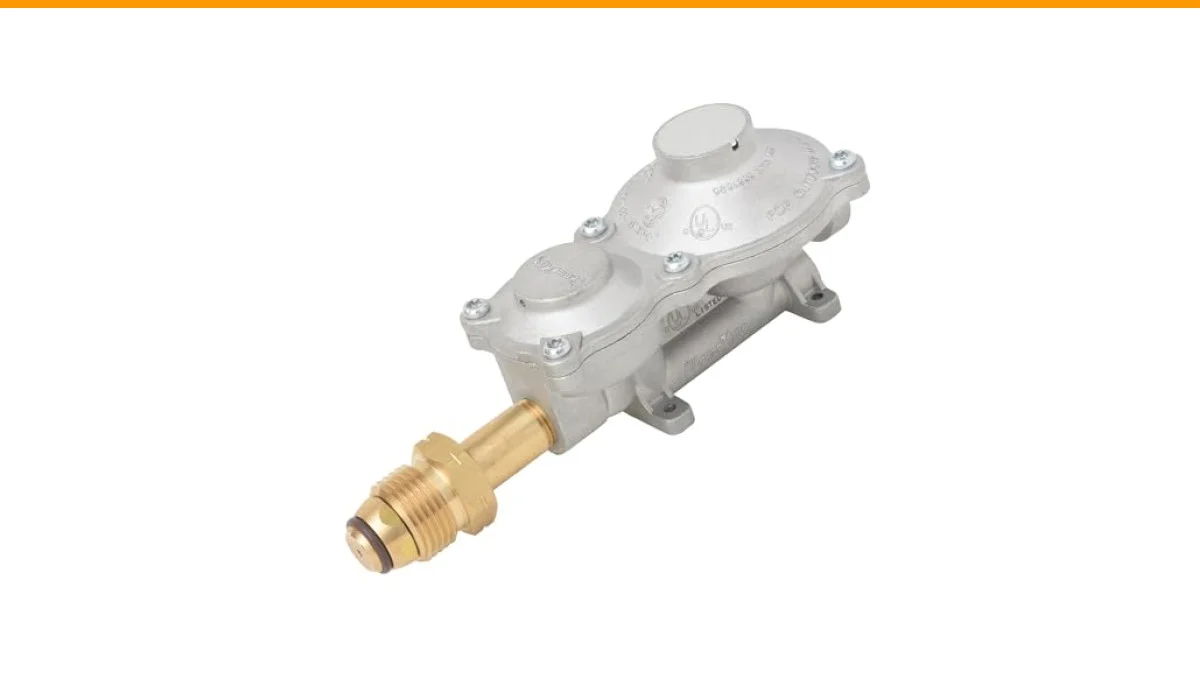
Flame King 150,000 BTU Horizontal Mounted 2-Stage Propane LP Regulator with POL for RVs, Vans, Trailers, Campers, 100LB Tanks, ASME Tanks, Generators
- DUAL-STAGE DESIGN maintains constant gas pressure under changing demands and conditions; 1st and 2nd stages ensure a smoother, mor…
- HEAVY DUTY ALUMINUM and SOLID BRASS material ensures the connections with the tank are secure and leak-free
- SAFE and SECURE CONNECTIONS: POL Inlet tank connection and 3/8"-18NPT outlet connection to the main RV gas line
A great example of a reliable propane regulator is the Flame King 150,000 BTU Horizontal Mounted 2-Stage Propane LP Regulator. It features a dual-stage design that maintains constant gas pressure, making it ideal for RVs, trailers, and larger heating applications.
What Is a Propane Regulator?
A propane regulator controls the flow and pressure of propane gas from the tank to the appliance, such as a heater. Without a regulator, the high pressure from the tank could damage the appliance or create unsafe conditions. Regulators are designed to reduce the tank pressure—often around 100-200 psi—to a usable level of approximately 11 inches of water column.
How Does a Propane Regulator Work?
Understanding how a propane regulator works on a heater involves recognizing its two primary functions: pressure regulation and flow control. Here’s how these processes function:
- Pressure Regulation: The regulator contains a diaphragm that responds to changes in pressure. When gas flows from the tank, it pushes against the diaphragm. If the pressure is too high, the diaphragm moves to restrict the flow, reducing the pressure to a safe level.
- Flow Control: The regulator maintains a consistent gas flow regardless of the changes in demand. For instance, when a heater first ignites, it may require more gas. The dual-stage design of regulators like the Flame King model ensures that the heater receives the right amount of gas, even as the demand fluctuates.
Common Misconceptions About Propane Regulators
Myth: All Regulators Are the Same
Many believe that any propane regulator will work for any heater. This is untrue. Regulators vary in pressure ratings, flow capacities, and designs. For example, a dual-stage regulator, such as the Flame King model, is more efficient for high-demand appliances, while a single-stage regulator might suffice for smaller setups.
Myth: Regulators Don’t Require Maintenance
Some users think that once a propane regulator is installed, it’s maintenance-free. In reality, regular inspections are necessary. Look for signs of wear, corrosion, or leaks. Additionally, ensuring that the connections are secure can prevent dangerous situations.
Choosing the Right Propane Regulator for Your Heater
When selecting a propane regulator, consider the following factors:
- BTU Rating: Ensure the regulator can handle the BTU output required by your heater. For instance, the Flame King regulator supports up to 150,000 BTUs, making it suitable for larger heaters and appliances.
- Type of Regulator: Decide between single-stage and dual-stage regulators. Dual-stage regulators provide more stable pressure under varying conditions, ideal for heaters with fluctuating demands.
- Material Quality: Look for regulators made from heavy-duty aluminum and solid brass. These materials ensure durability and secure, leak-free connections.
- Outlet Pressure: Check the outlet pressure specifications to ensure compatibility with your heater. Most residential heating applications require a pressure of around 11 inches of water column.
Comparison of Propane Regulators
| Feature | Single-Stage Regulator | Dual-Stage Regulator |
|---|---|---|
| Pressure Regulation | Single pressure level | Two pressure levels for consistent flow |
| Efficiency | Less efficient under varying demand | More efficient, maintains consistent pressure |
| Common Usage | Smaller appliances | RVs, food trucks, larger heaters |
| Typical BTU Output | Up to 40,000 BTUs | Up to 150,000 BTUs |
FAQs About Propane Regulators
1. How do I know if my regulator is faulty?
Signs of a faulty regulator include inconsistent flame height, gas leaks, or smells of propane. If you suspect an issue, it’s best to have it inspected by a professional.
2. Can I use a propane regulator for natural gas?
No, propane regulators are specifically designed for propane. Using one for natural gas can result in unsafe conditions due to differing pressure requirements and gas characteristics.
3. How often should I replace my propane regulator?
While regulators can last for years, they should be inspected regularly. If you notice any signs of wear or malfunction, replace them immediately to ensure safe operation.
4. Is it safe to install a regulator myself?
If you have experience with gas appliances, you may handle the installation. However, if you’re uncertain, hiring a qualified technician is advisable to ensure safety and compliance with local codes.
5. What can cause a propane regulator to freeze?
Freezing can occur due to rapid gas expansion when the gas flows too quickly through the regulator. Proper sizing and installation can help mitigate this issue.
Final Thoughts
- Understanding how a propane regulator works on a heater is crucial for safe operation.
- Choose the right type of regulator based on your heating needs.
- Regular maintenance and inspections are essential for safety.
- Consider factors like BTU rating and material quality when selecting a regulator.
- Familiarize yourself with common misconceptions to make informed choices.
- Always prioritize safety when dealing with propane systems.
- For larger applications, consider using dual-stage regulators like the Flame King model.



