For many, stepping into a sauna for the first time can be a daunting experience. The heat envelops you, and a wave of discomfort can quickly follow. However, with the right approach, you can gradually adapt to higher temperatures, allowing you to enjoy the numerous benefits saunas offer. This article will guide you through the process of safely increasing your sauna heat tolerance over time, ensuring your experience is both enjoyable and beneficial.
You’ll discover practical techniques, tips, and a structured approach to help you acclimatize properly. By the end, you’ll understand how to improve your sauna sessions, making them more comfortable and effective for relaxation and detoxification.

COSYOO
COSYOO Sauna Thermometer Hygrometer, 2 in 1 Fahrenheit Thermometer Hygrometer for Sauna Room, Indoor Humidity Temperature Monitor Gauge Sauna Accessories
- Precise Real-Time Monitoring: Experience accurate sauna conditions with sensitive sensors and convection holes; provides instant t…
- Wide Measurement Range: Enjoy high-precision readings with minimal error; temperature range from 70 to 250°F; humidity range from…
- Quality Alloy Construction: Crafted from quality alloy material; boasts a robust structure resistant to moisture, rust, and corros…
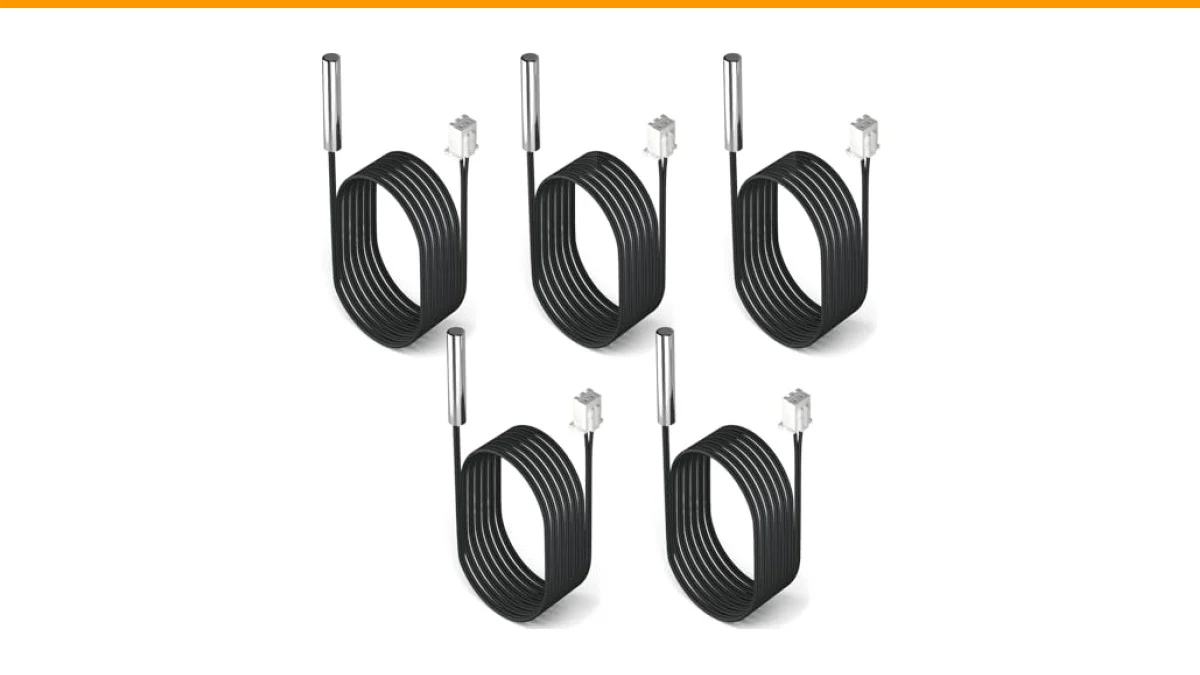
One helpful tool for monitoring your sauna environment is the COSYOO Sauna Thermometer Hygrometer. This device offers precise real-time readings of temperature and humidity, ensuring you stay within comfortable levels. With its durable construction and easy-to-read display, it helps create an optimal sauna experience.

 Benefits of Sauna & Deliberate Heat Exposure | Huberman Lab EssentialsWatch on YouTube
Start Slow: The Importance of Gradual Exposure
When beginning your sauna journey, it’s crucial to start slow. Many newcomers make the mistake of jumping into high temperatures right away. This can lead to discomfort or even adverse reactions like dizziness or nausea. Instead, begin with lower temperatures, around 150°F (65°C), and limit your initial sessions to about 5-10 minutes.
As your body adjusts, gradually increase both the temperature and the duration of your sessions. A general guideline is to add 5°F (about 3°C) and 2-5 minutes to each subsequent session. Listen to your body; if you feel lightheaded or overly uncomfortable, it’s advisable to exit the sauna and hydrate.
Hydration Matters: Drink Before, During, and After
Hydration plays a significant role in your ability to tolerate sauna heat. Sweating leads to loss of fluids, and if you’re not adequately hydrated, you may experience adverse effects. Make it a habit to drink water before entering the sauna, and keep a bottle handy to sip during your session.
Post-session hydration is equally important. Consume fluids to replenish those lost during sweating. Consider drinks with electrolytes, especially after longer sessions, to help restore balance. Aim for at least 8-10 ounces of water before entering and an additional 16-24 ounces afterward to ensure proper hydration.
Understanding Your Body’s Signals
Your body sends signals when it’s uncomfortable or approaching its limits. Recognizing these signals is vital for safe sauna use. Common signs of overheating include:
- Excessive sweating beyond normal
- Dizziness or lightheadedness
- Rapid heartbeat or palpitations
- Nausea or headaches
If you encounter any of these symptoms, exit the sauna immediately and cool down. Adjusting your approach based on your body’s feedback will help you build your heat tolerance safely over time.
Comparing Different Methods to Increase Heat Tolerance
Different methods can help you acclimatize to sauna heat. Here’s a comparison of several popular approaches:
| Method | Description | Duration | Frequency |
|---|---|---|---|
| Gradual Exposure | Start with low temperatures and increase gradually. | 5-10 minutes initially, increasing by 2-5 minutes. | 2-3 times per week. |
| Alternate Heating | Switch between sauna and cold showers or baths. | 5 minutes in sauna, followed by 1-2 minutes in cold. | 1-2 times per week. |
| Controlled Breathing | Practice deep breathing techniques to manage discomfort. | Throughout the session. | Every session. |
| Shorter Sessions | Use shorter sauna visits, increasing duration as you adapt. | Start with 5-10 minutes. | Every session, gradually increasing. |
How long does it take to increase sauna heat tolerance?
Typically, it takes a few weeks to several months to significantly increase your sauna heat tolerance. Individuals vary, so listen to your body and adjust your approach accordingly.
Can I use a sauna every day to increase my heat tolerance?
Using a sauna daily can help, but it’s crucial to listen to your body. If daily sessions feel uncomfortable, consider reducing the frequency. Gradual exposure is vital.
What temperature should I aim for as I adapt?
As you acclimate, you can aim for temperatures between 170°F to 200°F (77°C to 93°C). However, never push yourself beyond comfort; your safety comes first.
Can I use a sauna if I have health concerns?
Consult with a healthcare professional if you have pre-existing health conditions such as cardiovascular issues or respiratory problems. They can provide guidance tailored to your situation.
What should I do if I feel faint in the sauna?
If you feel faint, exit the sauna immediately. Lie down in a cool area and hydrate. Avoid returning until you feel fully recovered.
Final Thoughts and Key Actions
- Start with lower temperatures and short sessions.
- Gradually increase the heat and duration based on comfort.
- Stay hydrated before, during, and after sauna use.
- Pay attention to your body’s signals and exit if necessary.
- Consider using tools like the COSYOO Sauna Thermometer Hygrometer for optimal monitoring.
- Experiment with different methods to find what works best for you.
- Consult a healthcare professional if you have health concerns.