Heating elements are crucial components in ceramic heaters, responsible for converting electrical energy into heat. Over time, these elements can fail due to wear and tear, leading to inefficient heating or complete malfunction. Knowing how to test a ceramic heater element with a multimeter can save you time, money, and prevent unnecessary replacements. This article will guide you through the process step-by-step, ensuring you understand how to properly assess the condition of your heater’s element.
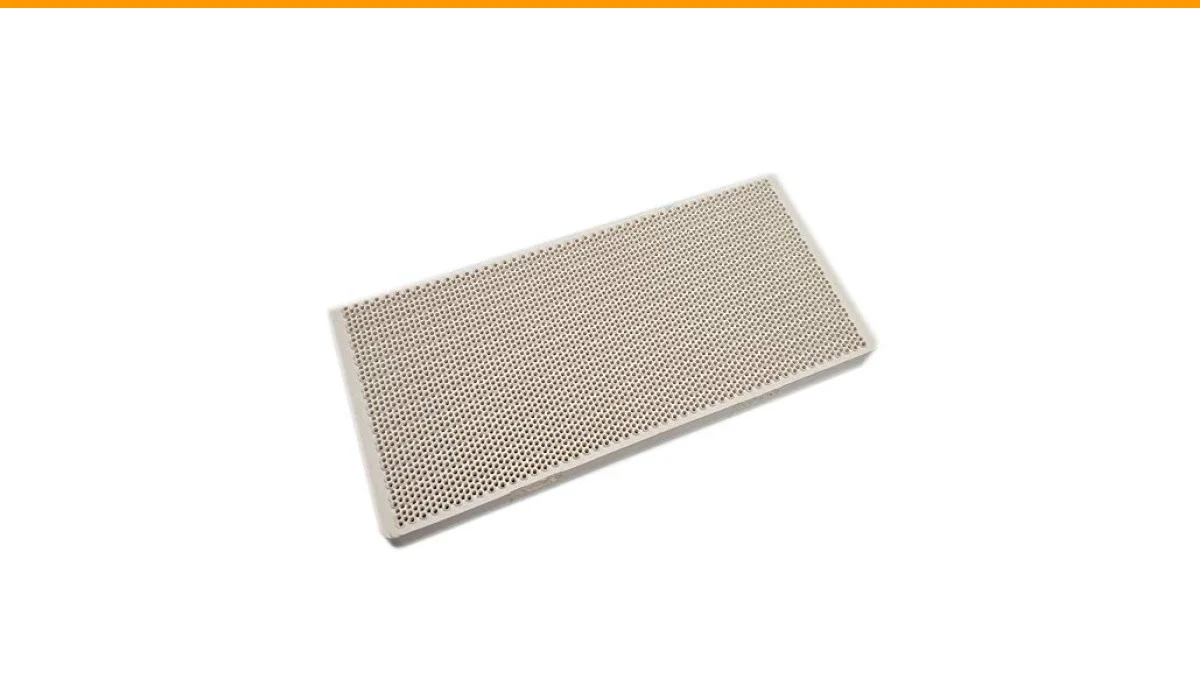
In addition to your testing needs, consider using a Meter Star High Efficiency Gas Heater Parts Burning Ceramic Plate as a replacement. This product is designed to enhance fuel utilization and improve combustion conditions, making it a solid choice for those needing to replace their ceramic heater element.

METER STAR
Meter Star High Effeciency Gas Heater Parts Burning Ceramic Plate 6.89inx2.96inx0.55in Honeycomb Infrared Burner Replacement
- Size: 6.89inx2.96inx0.55in(165mm*75mm*14mm),We have adopted a new type of packaging to prevent damage during transportation. If yo…
- Material: Ceramic,Attention:The Ceramic is easily break Please Do not Throw it or open carefully.
- Application: Gas heater, stove, range.
 How to check heater element.Watch on YouTube
Understanding Your Ceramic Heater Element
Ceramic heater elements typically consist of materials that generate heat when an electric current passes through them. Most commonly, they are made from a ceramic compound with a honeycomb structure, which allows for efficient heat distribution. Understanding the component’s structure and function is vital when diagnosing issues.
Common symptoms of a faulty ceramic heater element include:
- Inconsistent heating
- Overheating
- No heat production at all
Before jumping into testing, ensure the heater is unplugged to avoid electrical hazards.
Gathering Your Tools
Testing a ceramic heater element requires a few tools:
- A multimeter
- Insulated gloves for safety
- A screwdriver (if disassembly is needed)
Make sure your multimeter is functioning correctly before you begin. You should check the battery and set it to the resistance measurement mode (ohms, denoted by the symbol Ω).
Steps to Test the Ceramic Heater Element
Follow these steps to perform a thorough test:
- Prepare the Heater: Unplug the heater and, if necessary, remove any covers to access the heating element.
- Set Up the Multimeter: Turn on the multimeter and set it to the resistance measurement mode.
- Test the Element: Place the multimeter probes on the two terminals of the ceramic heater element. Ensure a good contact for accurate readings.
- Interpret the Results: A functioning ceramic heater element should display a resistance reading between 10 to 50 ohms. A reading of zero indicates a short circuit, while infinite resistance suggests a break in the element.
Once you have your results, you can determine if the heater element needs replacement or if it can continue in service.
Comparative Methods of Testing Ceramic Heater Elements
| Method | Description | Advantages | Disadvantages |
|---|---|---|---|
| Multimeter Testing | Using a multimeter to measure resistance across the element terminals. | Simple, direct, and effective for identifying faults. | Requires basic electrical knowledge and safety precautions. |
| Visual Inspection | Checking for visible signs of damage or wear. | No tools required; easy to perform. | May not detect internal faults. |
| Temperature Testing | Measuring surface temperature during operation. | Can reveal performance issues under load. | Risk of electric shock; requires a working unit. |
FAQs About Testing Ceramic Heater Elements
How do I know if my ceramic heater element is bad?
Look for signs like inconsistent heating, strange noises, or a complete lack of heat. Testing with a multimeter can confirm if the element is functional.
What should the resistance reading be for a ceramic heater element?
A good ceramic heater element typically shows a resistance between 10 to 50 ohms. Readings outside this range suggest a malfunction.
Can I replace the ceramic heater element myself?
Yes, if you’re comfortable with basic electrical tasks and follow safety precautions. Make sure to consult your heater’s manual for specific instructions.
What safety precautions should I take?
Always unplug the heater before testing. Use insulated gloves and ensure your workspace is dry to prevent electrical shocks.
Where can I find replacement elements?
Replacement parts are available through various suppliers, including online marketplaces like Amazon. The Meter Star High Efficiency Gas Heater Parts Burning Ceramic Plate is one option to consider.
Final Recommendations
- Test ceramic heater elements with a multimeter for accurate results.
- Keep safety as your top priority when working with electrical components.
- Learn to interpret multimeter readings to avoid unnecessary replacements.
- Consider replacement options like the Meter Star product for efficient heating solutions.
- Regularly inspect your heater to catch issues early.
- Have basic tools handy for maintenance and repairs.
- Stay informed about your heater’s specifications for effective troubleshooting.