 Do Space Heaters save you Money? (Honest Budget Heating Advice)Watch on YouTube
Introduction to Ceramic Heaters
Cold winter nights often lead us to search for effective heating solutions. Many people find themselves wondering how they can maintain warmth in their homes without incurring exorbitant energy bills. Ceramic heaters have emerged as a popular option, known for their rapid heating capabilities and energy efficiency. But do ceramic heaters really save money? This article will provide a detailed analysis of their benefits, costs, and user experiences, giving you a clear understanding of whether investing in a ceramic heater is worthwhile.
As you read through, you’ll gain insights into how ceramic heaters operate, their energy savings potential, and comparisons with other heating methods. You’ll also discover practical tips to optimize their usage for maximum efficiency and cost-effectiveness.

Amazon Basics
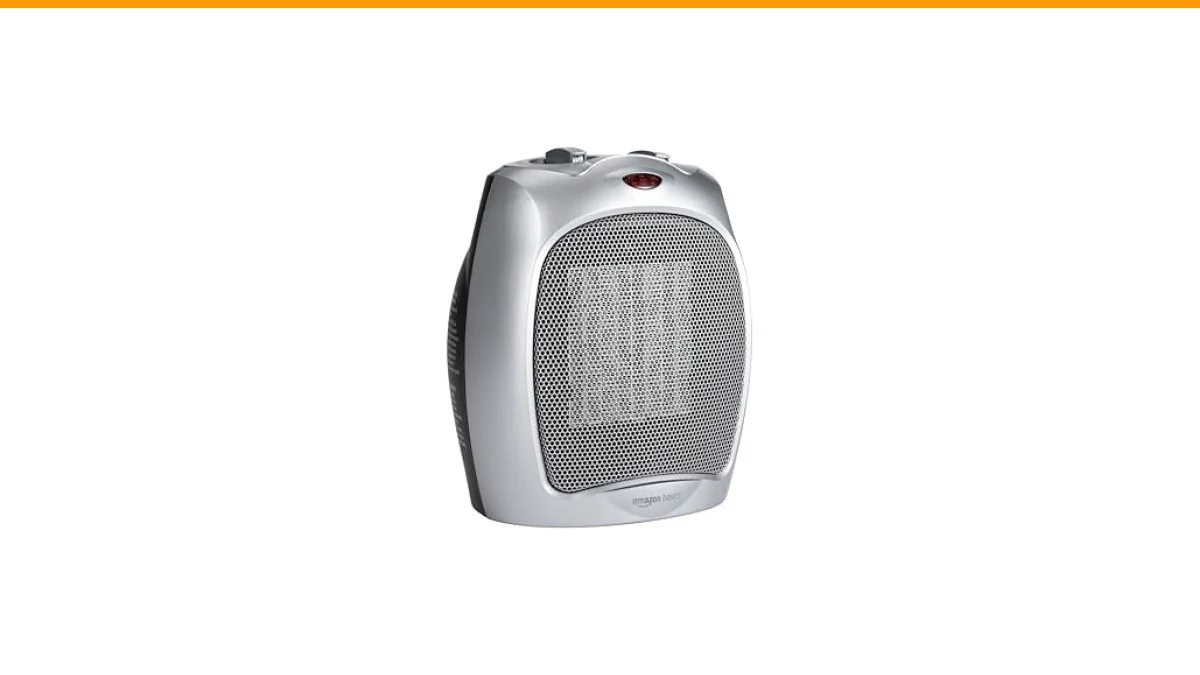
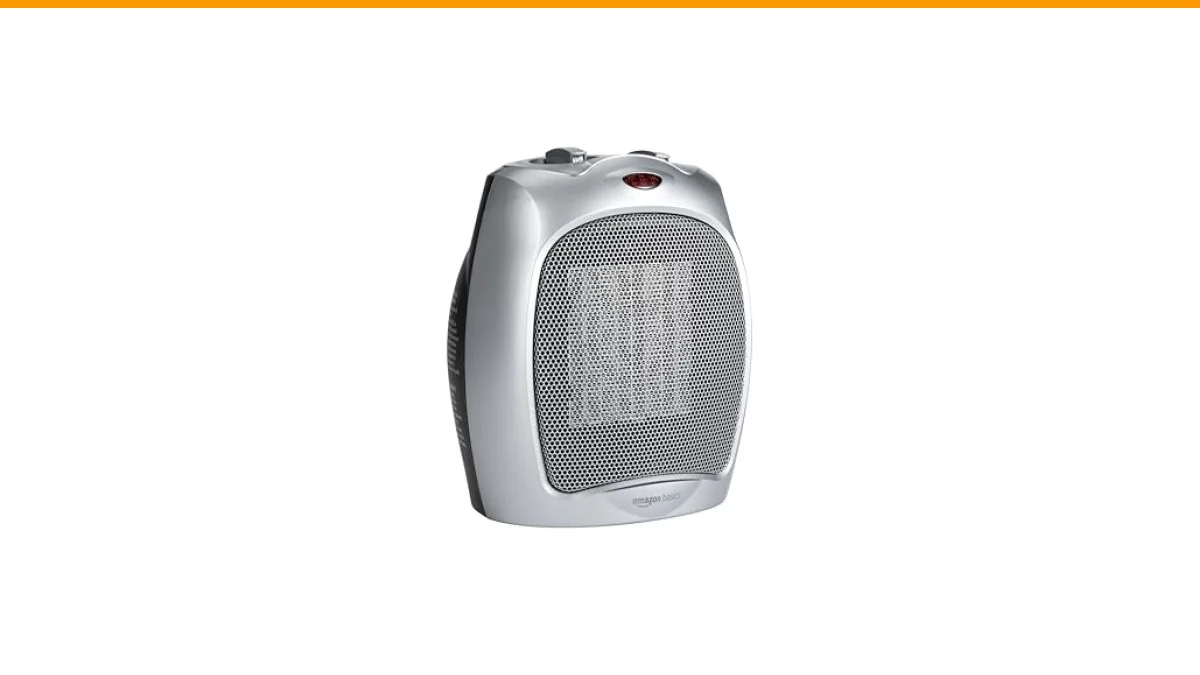
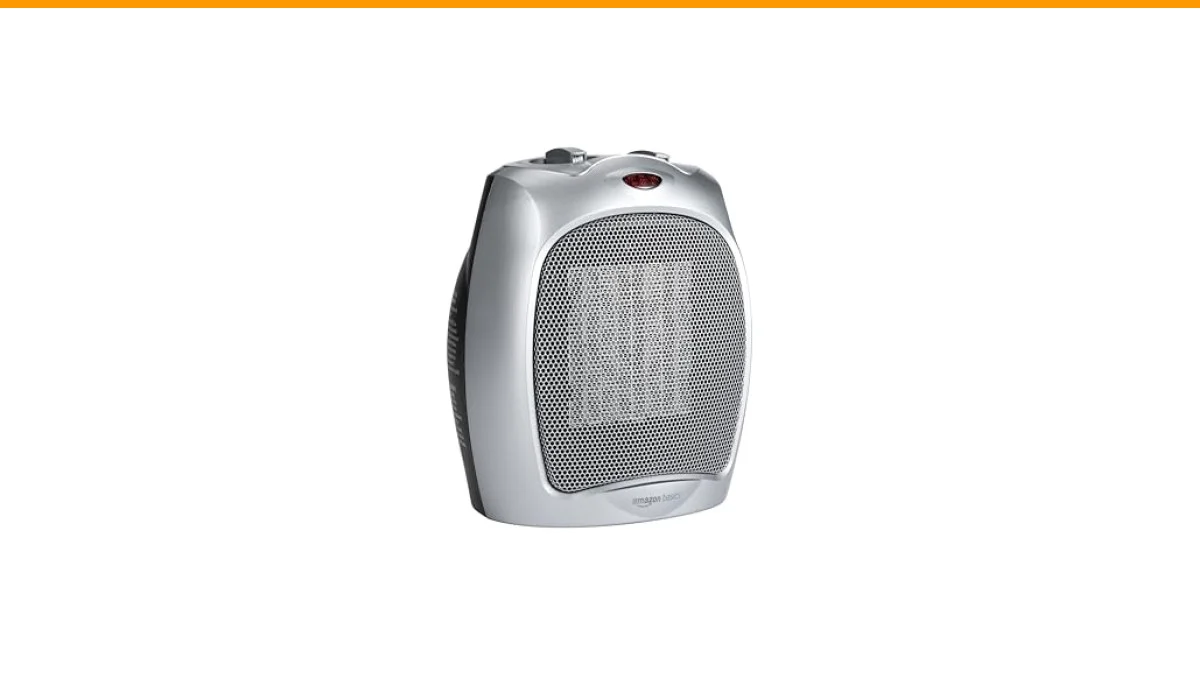
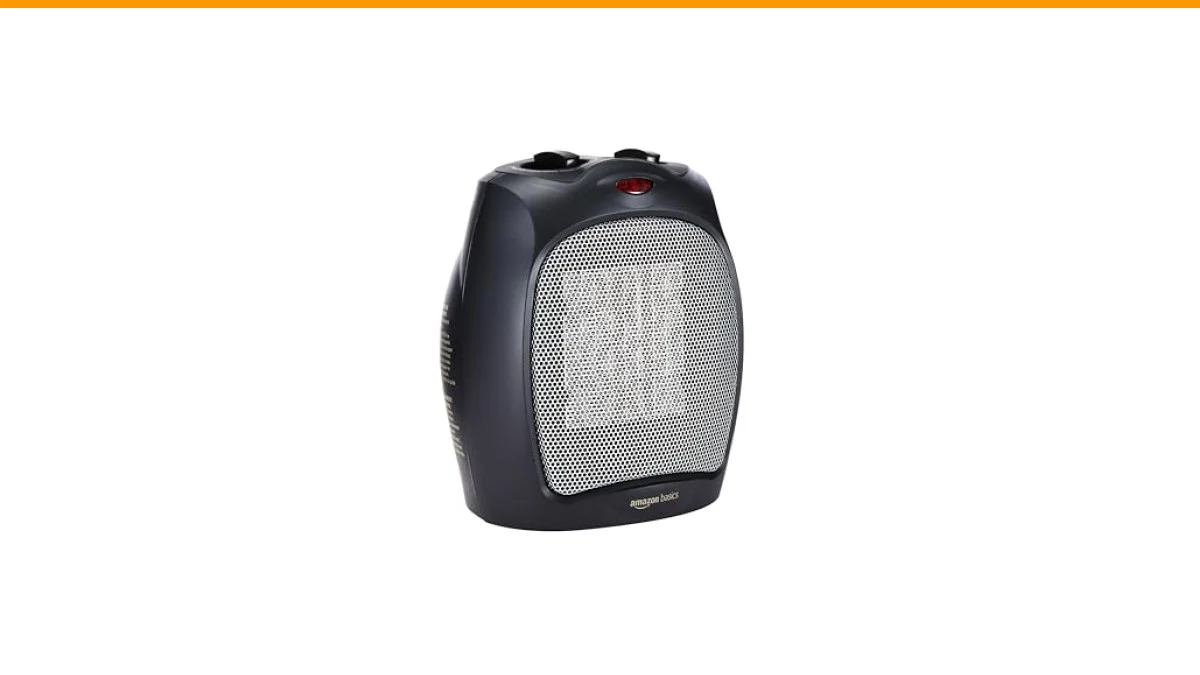
Amazon Basics Ceramic Space Heater, Portable Indoor Heating Solution, With Overheat and Tip-Over Protection, Thermostat, Non-Oscillating, 1500W, 7.52"D x 6.34"W x 9.45"H, Black
- CUSTOMIZABLE HEATING OPTIONS: Choose from three settings to suit your needs - High (1500W), Low (900W), or Fan Only for air circul…
- COMPACT & PORTABLE: Weighing just 3 lbs and sized at 7.5“L x 6.3”W x 9.5“H, this space heater is easy to move and perfect for your…
- Built-in Tip-Over Protection, Overheat Protection, and a Power Indicator Light for safe operation.
The Amazon Basics Ceramic Space Heater serves as an excellent example of a ceramic heater. This portable indoor heating solution offers customizable heating options and safety features, making it a reliable choice for many households.
Does a Ceramic Heater Save Money?
Yes, ceramic heaters can save money on heating bills. They are designed to heat spaces quickly and efficiently, which can lead to lower energy consumption compared to traditional heating systems.
How Do Ceramic Heaters Work?
Ceramic heaters use a ceramic element to produce heat. When electricity passes through the ceramic, it becomes hot, radiating warmth into the surrounding area. This process allows them to heat up quickly, often within minutes. They typically come with fans that help distribute heat more evenly throughout a room.
These heaters often operate with multiple settings, like high (1500W), low (900W), or fan-only mode. The ability to adjust settings according to your heating needs can contribute significantly to energy savings. For example, running the heater on low in a small room can be much more efficient than heating the entire house.
Energy Efficiency and Cost Savings
One of the primary advantages of ceramic heaters is their energy efficiency. They convert nearly all of the electricity they use into heat. According to the U.S. Department of Energy, a ceramic heater can lead to energy savings of up to 30% compared to traditional heating systems when used effectively.
Let’s break down potential cost savings:
- If you use a ceramic heater for 8 hours a day at 1500W, it would consume about 12 kWh of electricity. At an average rate of $0.13 per kWh, this would cost approximately $1.56 per day.
- In comparison, central heating might cost you $2.50 or more for the same duration and heating capacity, depending on your system’s efficiency.
Over a month, switching to a ceramic heater could save you between $20 to $40, depending on usage and local energy rates. This makes them a cost-effective option for heating individual rooms rather than relying solely on central heating.
Benefits of Using Ceramic Heaters
Ceramic heaters offer several advantages, making them an attractive choice for many consumers:
- Rapid Heating: Ceramic heaters can warm up a room in just a few minutes, providing immediate comfort.
- Energy Efficiency: They convert almost all energy used into heat, leading to lower operating costs.
- Safety Features: Most ceramic heaters come equipped with tip-over and overheat protection, ensuring safe operation.
- Portability: Many models, like the Amazon Basics Ceramic Space Heater, are lightweight and easy to move, allowing you to heat specific areas as needed.
- Quiet Operation: With a noise level as low as 43 dB, these heaters are ideal for use in bedrooms or offices.
Drawbacks and Limitations
While ceramic heaters have many benefits, they also come with some limitations:
- Not for Large Spaces: Ceramic heaters are most effective in small to medium-sized rooms. Using them in larger areas may not provide sufficient warmth.
- Power Consumption: They can use a significant amount of electricity if used continuously, especially on high settings.
- Limited Humidity Control: Unlike some heating systems that can manage humidity levels, ceramic heaters do not have this capability.
Comparing Ceramic Heaters to Other Heating Options
When considering heating options, it’s essential to compare ceramic heaters with alternatives like baseboard heaters, gas furnaces, and electric radiators:
| Heating Type | Initial Cost | Operating Cost | Heating Speed | Portability |
|---|---|---|---|---|
| Ceramic Heater | Low | Low | Fast | High |
| Baseboard Heater | Medium | Medium | Medium | Low |
| Gas Furnace | High | Medium | Fast | Low |
| Electric Radiator | Medium | Medium | Slow | Medium |
Ceramic heaters are often more economical in both initial and operating costs compared to gas furnaces and other electric options, especially in small spaces.
Practical Tips for Effective Use
To maximize the efficiency and cost savings of a ceramic heater, consider the following tips:
- Zone Heating: Use ceramic heaters in specific rooms where you spend the most time, rather than heating the entire house.
- Optimize Placement: Position heaters near walls or in corners for better heat distribution.
- Adjust Settings: Use lower settings when possible, especially in smaller rooms.
- Keep Doors Closed: To prevent heat loss, keep doors to heated rooms closed.
Maintenance and Longevity
Proper maintenance can extend the life of your ceramic heater. Here are some essential tips:
- Regular Cleaning: Dust and debris can accumulate on the heating element. Clean it regularly to ensure efficient operation.
- Check Cords and Plugs: Inspect electrical cords for damage or fraying to prevent safety hazards.
- Store Properly: When not in use, store the heater in a dry place to avoid moisture damage.
User Experiences and Testimonials
Real user experiences often provide valuable insights into the effectiveness of ceramic heaters. Many users report satisfaction with their heating performance and energy savings. For example, a user might say:
“I switched to a ceramic heater last winter, and I’ve noticed a considerable drop in my heating bills. It’s perfect for my small apartment!”
Another user might add:
“I love how quickly it heats up my home office. I can set it on low and still feel comfortable without breaking the bank.”
Closing Thoughts: Are Ceramic Heaters Worth It?
- Ceramic heaters can significantly reduce heating costs, especially in small spaces.
- They offer quick heating, portability, and safety features.
- Consider factors like room size and usage patterns to maximize efficiency.
- Routine maintenance ensures longevity and reliable performance.
- Real testimonials reflect high user satisfaction with ceramic heaters.
Frequently Asked Questions
1. Are ceramic heaters energy-efficient?
Yes, ceramic heaters are highly energy-efficient, often converting almost all electrical input into heat.
2. Can I use a ceramic heater in large rooms?
Ceramic heaters are best suited for small to medium-sized rooms, as they may struggle to heat larger spaces effectively.
3. How much can I save using a ceramic heater?
Users can save between $20 to $40 monthly on heating bills by using ceramic heaters effectively.
4. Do ceramic heaters have safety features?
Many ceramic heaters include safety features like tip-over protection and overheat protection, making them safe for home use.
5. How do I maintain my ceramic heater?
Regular cleaning, inspecting cords, and proper storage can help maintain your ceramic heater’s performance and longevity.