Owning a Noritz tankless water heater can transform your experience of hot water usage. However, many homeowners overlook the importance of regular maintenance. Neglecting to clean your unit can lead to decreased performance, higher energy bills, and even costly repairs. Knowing how to clean your Noritz tankless water heater is essential to ensure it operates efficiently for years to come.
A great cleaning routine not only improves the efficiency of your water heater but also extends its lifespan. Regular cleaning helps prevent mineral buildup, which is a common issue in areas with hard water. This buildup can restrict water flow and reduce heating performance, leading to discomfort and frustration.
In this guide, we’ll discuss the importance of regular cleaning, the tools and materials you’ll need, and a detailed step-by-step process. This will empower you to maintain your Noritz tankless water heater effectively and ensure optimal performance.
Before we dive into the cleaning process, let’s take a quick look at what products can assist you, starting with a popular descaling solution.
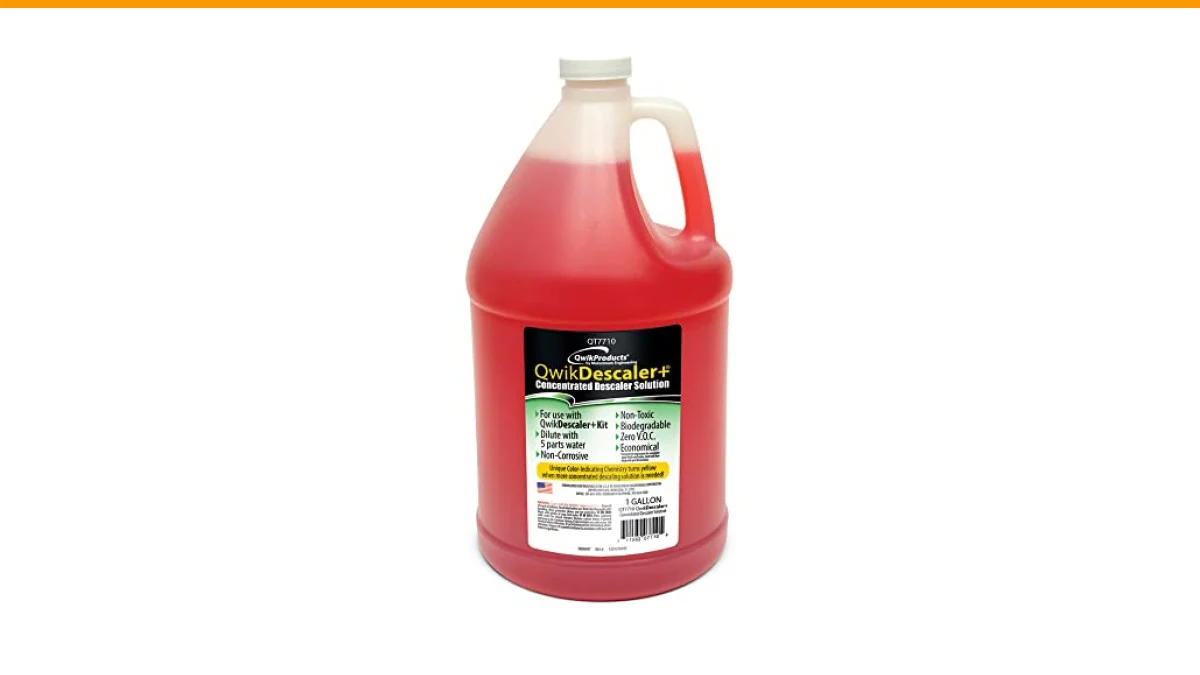
| Features | QwikDescaler+ Concentrated Solution |
|---|---|
| Type | Descaler solution |
| Volume | 1 gallon |
| Environmental Safety | Zero VOCs |
| Color Indicator | Turns from red to yellow |
| Main Benefit | Prevents mineral buildup |
Why Regular Cleaning is Essential
QwikProducts
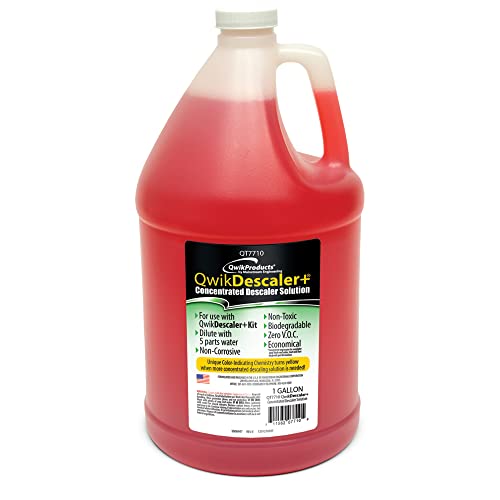
QwikDescaler+ Concentrated Tankless Water Heater Descaler Solution (1 Gal) | Descaling Solvent for Tankless Heat Exchangers & Water Heaters, Quickly Dissolves Scale, Lime, Tarnish and Deposits, 1 Gallon
- QUICKLY FLUSH FLOW PASSAGES: Use this descaler solution to rapidly improve efficiency and open flow passages of heaters and other…
- EFFECTIVE SOLUTION BUT ALSO VERY SAFE: QwikDescaler descaler for tankless water heater is not only extremely effective at flushing…
- IT’S EASY TO TELL WHEN YOU NEED TO ADD MORE: There’s no guesswork with the QwikDescaler+ tankless water heater descaler. If more d…
Regularly cleaning your Noritz tankless water heater is crucial for several reasons. One primary concern is the build-up of minerals like calcium and lime, which can occur over time, especially in areas with hard water. These deposits can clog the flow passages of your heater, leading to inefficient operation and increased energy consumption.
Another reason to clean your unit regularly is to maintain water quality. Mineral deposits can affect the taste and clarity of your hot water. Additionally, neglecting maintenance can void warranties and lead to expensive repairs. Preventive cleaning is more cost-effective than dealing with the consequences of neglect.
Ultimately, a well-maintained water heater not only operates more efficiently but also provides peace of mind, knowing that your hot water supply is reliable. Establishing a routine cleaning schedule can save you money and extend the life of your appliance.
Tools and Materials Needed for Cleaning
Before beginning the cleaning process, gather the necessary tools and materials. Having everything on hand will streamline your efforts and make the process more efficient.
- QwikDescaler+ Concentrated Descaling Solution
- Garden hose or bucket
- Wrench for removing valves
- Plastic tubing
- Safety gloves and goggles
- Measuring cup for the descaler
These items will help you perform the cleaning process effectively while ensuring your safety. The QwikDescaler+ is particularly essential, as it’s designed to remove mineral deposits safely and effectively. Now that you have your materials ready, let’s move on to safety precautions.
Safety Precautions Before Starting the Cleaning Process
Before starting any cleaning procedure, safety should be your top priority. Ensure the heater is turned off and disconnected from power. This helps prevent any accidental electrocution or damage during cleaning.
Wear safety gloves and goggles to protect your skin and eyes from any splashes of the descaling solution. Ensure adequate ventilation in the area where you’re working, as some descalers can emit fumes. If you have respiratory conditions, consider wearing a mask.
Make sure to read the instructions on the QwikDescaler+ solution carefully. This ensures you understand the proper dilution and application methods. Following these safety guidelines will help you conduct the cleaning process effectively and safely.
Step-by-Step Guide to Cleaning Your Noritz Tankless Water Heater
Preparing the Unit
Start by turning off the cold water supply to the heater. This prevents new water from entering while you clean. Turn off the power supply as well to ensure safety during the procedure. Next, disconnect any water supply lines leading to the unit to allow for a thorough cleaning.
Setting Up the Circulation System
Use a garden hose or bucket to create a circulation system. Attach the hose to the cold water inlet of the tankless water heater. The other end should go into the bucket where you’ll pour the descaling solution. Make sure the system is secure to avoid any leaks.
Adding and Circulating the Cleaning Solution
Measure the appropriate amount of QwikDescaler+ according to the instructions on the bottle. Pour the solution into the bucket connected to the hose. Allow the solution to circulate through the system for about 30 minutes. This will help dissolve the mineral buildup in the heat exchanger.
Flushing the System
After the descaling solution has circulated, it’s time to flush the system. Disconnect the hose and connect the cold water supply back to the heater. Turn on the cold water supply to flush out any remaining descaler and loosened minerals. This helps ensure your system is clean and ready for use.
Reassembling and Testing the Unit
Once you’ve flushed the system, reconnect any water supply lines you had previously disconnected. Turn the power supply back on and check for leaks around the connections. Run hot water to test the system, ensuring that it operates smoothly and efficiently.
Troubleshooting After Cleaning
After cleaning, you may encounter some issues that could require troubleshooting. If you notice fluctuations in water temperature or pressure, it could indicate that there’s still mineral buildup in the system. Running another cleaning cycle may help resolve this.
Check for any leaks or unusual noises during operation. These could indicate loose connections or a malfunction within the unit. If problems persist, consulting the manufacturer’s manual or contacting a professional service may be necessary.
Eco-Friendly Cleaning Solutions
Using eco-friendly cleaning methods is an excellent way to maintain your Noritz tankless water heater without harming the environment. Vinegar is a popular natural alternative to commercial descalers. It’s effective at dissolving mineral deposits and is safe for the environment.
To use vinegar, mix equal parts of distilled white vinegar and water. Follow the same cleaning process as with commercial descalers. Allow the vinegar solution to circulate through the system, then flush thoroughly with water. This method is not only effective but also cost-efficient.
When to Call a Professional
While many homeowners can clean their Noritz tankless water heaters themselves, some situations warrant calling a professional. If you notice persistent leaks, strange noises, or operational failures after cleaning, it’s wise to seek expert assistance. A professional can diagnose deeper issues that might not be apparent during a routine cleaning.
Additionally, if your unit requires complex repairs or has not been serviced in several years, hiring a qualified technician is advisable. This ensures that your water heater remains in optimal condition.
Maintenance Tips for Longevity
Regular maintenance is key to extending the life of your Noritz tankless water heater. Schedule cleaning every six months to a year, depending on your water hardness. Keep an eye on the unit for any signs of wear or mineral buildup.
Consider installing a water softener if you live in an area with hard water. This can significantly reduce mineral deposits and improve your unit’s efficiency. Lastly, always follow the manufacturer’s guidelines for maintenance and repairs to keep your unit running smoothly.


