Immediate Actions to Take When Your Water Heater Bursts
GoveeLife
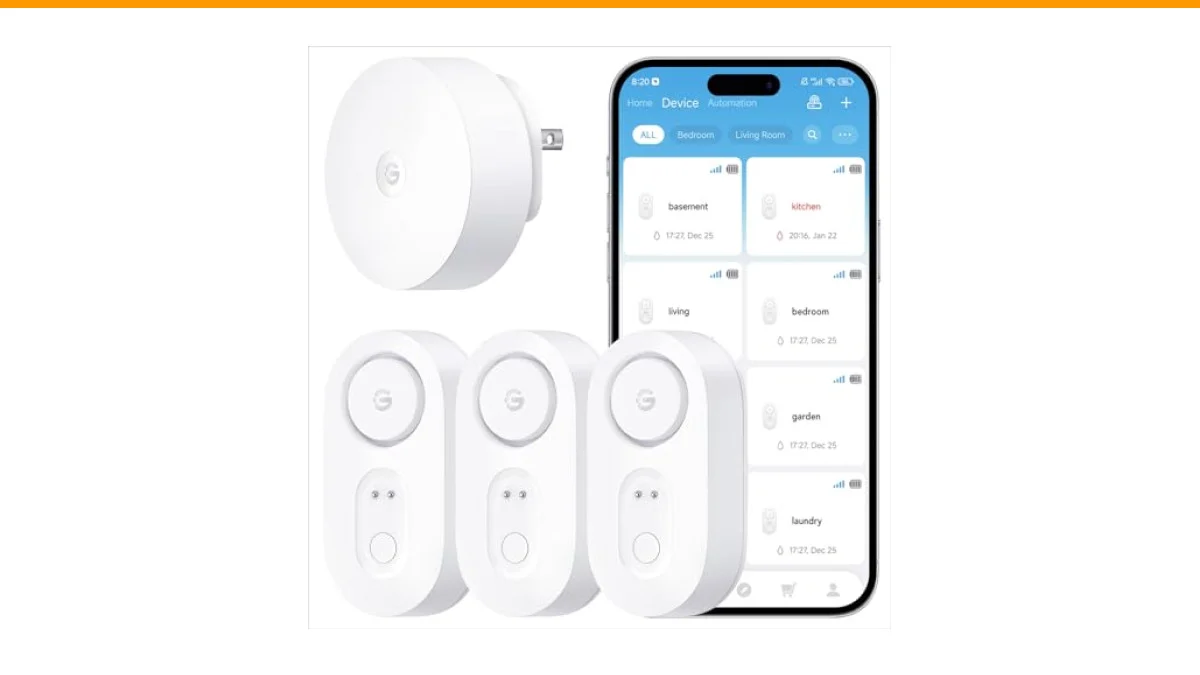
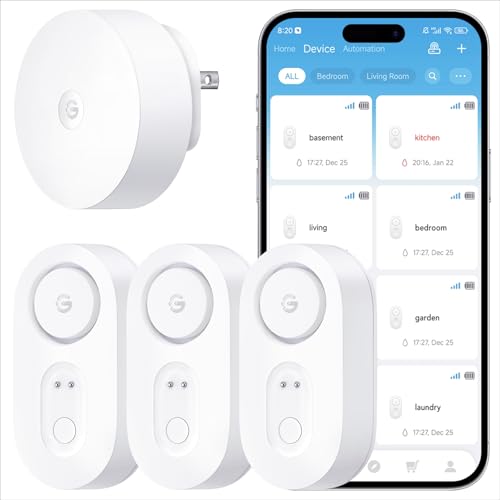
GoveeLife Upgraded Smart Water Leak Detector 1s with High Alarm, 3 Pack | 1804ft Ultra-Long Range, WiFi Water Sensor with SMS/Email/APP Push, 5Yr Battery Life,IP67, Suit for Home, Basement, Kitchen
- Breakthrough 1804 ft Connectivity: Engineered with advanced Sub-1G long-range wireless tech, our leak detector maintains robust si…
- Multiple Reminder Methods: Our water leak sensor supports multiple remote alarm. It can instantly send SMS, APP, and Email notific…
- Feature-Rich App: Receive instant push notifications. Use the “Find Device” feature to quickly trigger audible beeps to retrieve m…
When a water heater bursts, immediate action is critical to minimize damage and ensure safety. First, locate the main water shut-off valve and turn it off to stop the flow of water. This action can significantly reduce the amount of water leaking into your home. Next, turn off the power supply to the heater. If you have an electric water heater, switch off the circuit breaker. For gas models, turn the gas valve to the off position. This reduces the risk of electrical hazards and prevents gas leaks.
Once you’ve shut off the water and power, assess the immediate area for safety. Look for any electrical hazards such as exposed wires in standing water. If you feel unsafe, evacuate the premises and call a professional. Document the scene with photographs if possible, as this can be helpful for insurance claims later. Taking these steps can help prevent further damage and ensure that you handle the situation safely.
Safety Precautions to Consider
Safety should always be your top priority when dealing with a burst water heater. First, ensure that you’re wearing appropriate footwear, like rubber boots, to avoid electrical shocks. Additionally, use gloves to protect your hands from any sharp debris or contaminants in the water. If you notice any gas smells, evacuate the area immediately and call your gas company.
Keep children and pets away from the affected area. Water damage can lead to mold growth within 24 to 48 hours, so the sooner you can address the water, the better. Consider using a dehumidifier to help with moisture control and prevent mold. If the damage is extensive, it may be wise to consult with a water restoration expert.
Assessing Damage and Documenting for Insurance Claims
After the immediate safety concerns are addressed, it’s essential to assess the damage. Take detailed notes of what was affected, including floors, walls, and personal property. Photograph everything; these images will be crucial when filing an insurance claim. Many homeowners don’t realize that home insurance policies often cover water damage caused by sudden and accidental incidents like a burst water heater.
Contact your insurance company as soon as possible to inform them of the situation. They will guide you through the claims process, which may require a detailed account of the damage and the steps you’ve taken to mitigate it. Keep all receipts for any repairs or temporary accommodations if you need to leave your home due to extensive damage.
How to Contact and Choose a Professional
Finding a qualified plumber or restoration service is key to efficiently addressing the aftermath of a burst water heater. Start by researching local professionals with good reviews and appropriate licenses. Ask for referrals from family and friends or consult online platforms that provide ratings and reviews.
Once you have a few candidates, reach out to discuss the specifics of your situation. A reputable professional will understand the urgency and provide an estimate without pressure to commit immediately. Be sure to inquire about their experience with similar situations and check that they have appropriate insurance and warranties for their work.
Cleanup and Mold Prevention Strategies
After addressing the immediate damage, focus on cleanup and mold prevention. Start by removing any standing water using a wet/dry vacuum or mop. Make sure to dry out the affected area thoroughly using fans and dehumidifiers. Remove any water-damaged materials, such as carpets or drywall, as these can harbor mold.
Consider applying a mold inhibitor to prevent growth. If you notice any signs of mold or mildew, it’s best to consult a professional mold remediation service. Keeping the area well-ventilated and regularly monitoring the humidity levels can also help prevent future mold issues.
Understanding the Root Causes of Water Heater Bursts
Understanding why your water heater burst can help prevent future incidents. Common causes include a faulty pressure relief valve, sediment buildup, or rust and corrosion within the tank. Regular maintenance, such as flushing the tank annually and inspecting components, can significantly extend the lifespan of your water heater.
It’s also crucial to check the temperature setting on your water heater. If it’s set too high, it can increase pressure and lead to rupture. A qualified technician can help you diagnose potential issues and perform routine maintenance to keep your system running smoothly.
Preventive Measures to Avoid Future Bursts
Preventive measures are essential for avoiding future water heater failures. Regular inspections can help you catch problems before they escalate. Consider installing a water leak detection system, which can alert you to leaks before they become catastrophic. The GoveeLife Upgraded Smart Water Leak Detector is a great option, providing notifications to your phone and a loud alarm to alert you of leaks.
Additionally, consider upgrading older models. If your water heater is approaching the end of its lifespan, investing in a new, more efficient model can mitigate potential risks. Regularly check the pressure relief valve and temperature settings to ensure everything is functioning correctly.
Cost Analysis: Repair vs. Replacement
When faced with a burst water heater, a crucial decision is whether to repair or replace the unit. Repairs can range from a few hundred dollars for minor issues to over a thousand for significant damage. Replacement costs vary widely based on the type of water heater and installation complexity. On average, a new water heater can cost between $800 to $2,500, including installation.
Consider the age and condition of your current water heater. If it’s over 10 years old and has had previous issues, replacing it might be more cost-effective in the long run. Your plumber can help you evaluate the best option based on your specific situation and budget.
Frequently Asked Questions
What should I do immediately after a water heater burst?
Shut off the water supply, turn off power or gas, and assess the situation for safety.
Does homeowners insurance cover water heater bursts?
Often, yes, but check your policy for specifics.
How can I prevent future water heater failures?
Regular maintenance, inspections, and timely repairs can help.
What is the average lifespan of a water heater?
Typically, 8 to 12 years for tank systems, and longer for tankless models.


