 Best Hydronic Baseboard Heaters 2026 (UPDATED) 🏆 Top 5 Best Hydronic Baseboard Heaters ReviewsWatch on YouTube
Introduction to Baseboard Heating
As winter approaches, many homeowners face the challenge of heating their spaces effectively and efficiently. Choosing the right heating system can be daunting, especially with options like hydronic and electric baseboard heaters available. Both systems have unique advantages and drawbacks, and understanding these differences is crucial for making an informed decision.
This article will provide a detailed comparison of hydronic vs electric baseboard heaters, helping you understand the installation, cost, efficiency, maintenance, and real user experiences. By the end, you’ll have a clearer picture of which system aligns best with your heating needs.

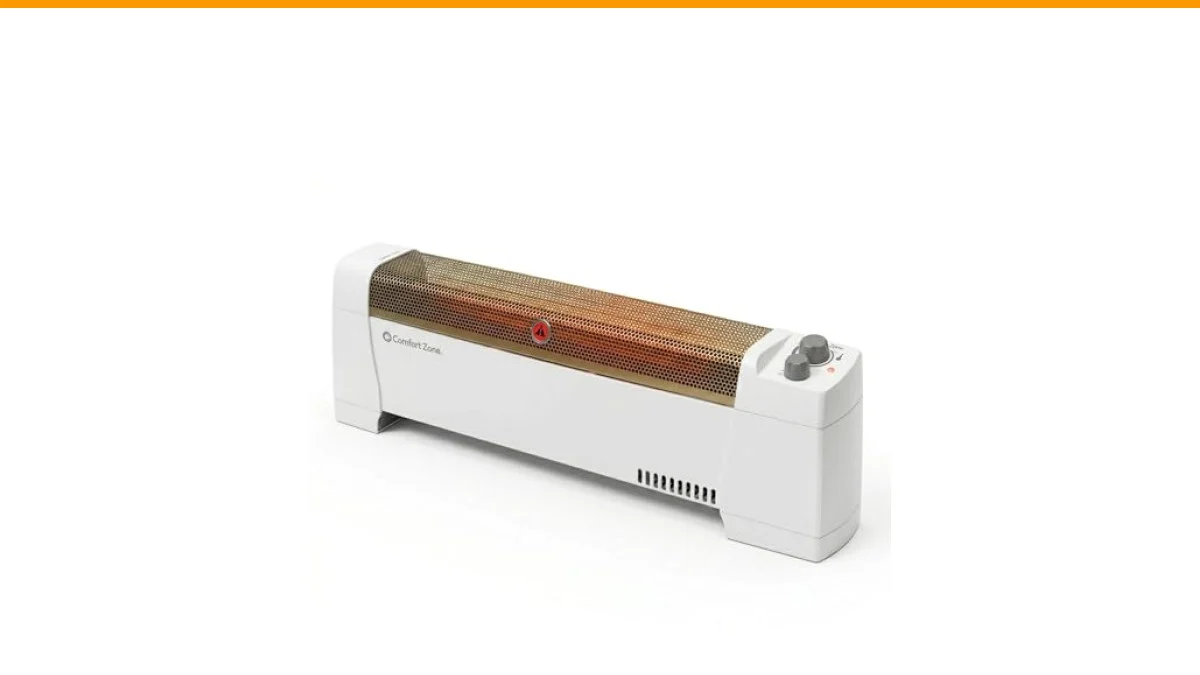
COMFORT ZONE
COMFORT ZONE Convection Baseboard Space Heater with Manual Thermostat | Convection baseboard heater with 2 heat settings and a manual adjustable thermostat knob for easy temperature control.
- EFFICIENT AND VERSATILE HEATING: Designed for medium-sized rooms, this 1500 Watt convection baseboard heater delivers powerful per…
- SAFETY AT ITS BEST: Rest easy knowing that this heater prioritizes your safety. It is equipped with an advanced safety system, inc…
- WHISPER-QUIET OPERATION: Experience undisturbed tranquility in your space with this electric baseboard heater's silent operation.…
For those considering an electric option, the Comfort Zone Electric Baseboard Space Heater is worth a look. It offers adjustable settings, safety features, and whisper-quiet operation, making it a solid choice for various spaces.
Understanding Electric Baseboard Heaters
Electric baseboard heaters operate by converting electrical energy into heat through electric resistance. Typically installed along the baseboards of rooms, they provide direct heat to the space. Here are some key characteristics:
- Efficiency: Electric baseboard heaters are generally efficient in terms of immediate heat output. They can reach high temperatures rapidly, making them ideal for quick heating.
- Cost: The upfront costs of electric baseboard heaters are typically lower than those of hydronic systems. Installation is often straightforward, requiring less specialized labor.
- Control: Many electric units come with built-in thermostats or can be integrated with smart home systems, allowing for precise temperature control.
However, electric heating can lead to higher utility bills, particularly in regions with high electricity rates. Additionally, they may not provide the same level of comfort as hydronic systems, especially in larger areas.
Understanding Hydronic Baseboard Heaters
Hydronic baseboard heaters use hot water from a boiler circulating through pipes to heat the air in a room. This method of heating delivers a more consistent and comfortable warmth. Key aspects include:
- Efficiency: Hydronic systems tend to be more energy-efficient, especially when using natural gas or solar energy to heat water.
- Comfort: Hydronic heating distributes heat evenly and maintains warmth longer, creating a more comfortable environment.
- Installation: Installation is more complex compared to electric systems, often requiring professional help to set up the boiler and piping.
While hydronic systems can have higher initial costs and longer installation times, they may lead to lower heating bills over time, making them a potentially more economical choice in the long run.
Key Differences Between Electric and Hydronic Baseboard Heaters
| Feature | Electric Baseboard Heaters | Hydronic Baseboard Heaters |
|---|---|---|
| Heating Method | Electric resistance | Hot water from a boiler |
| Initial Cost | Lower | Higher |
| Installation | Simple | Complex |
| Efficiency | High immediate heat | Consistent and long-lasting warmth |
| Comfort Level | May be uneven | More comfortable |
| Maintenance | Low | Moderate |
| Energy Source | Electricity | Gas, oil, or electric |
Installation Processes and Requirements
The installation process for electric and hydronic baseboard heaters differs significantly. Electric systems often require limited electrical work, making them easier to install. Homeowners can typically complete the installation themselves or hire general electricians.
In contrast, hydronic systems require a boiler, piping, and specialized knowledge for installation. This complexity can lead to higher labor costs and longer installation times. Homeowners should factor this into their decision-making process.
Cost Analysis: Purchase, Installation, and Operation
When evaluating costs, consider the initial purchase price, installation expenses, and ongoing operational costs:
- Electric Baseboard Heaters: Purchase prices range from $50 to $300 per unit, with installation costs averaging around $150 to $200. Operational costs depend on local electricity rates.
- Hydronic Baseboard Heaters: Units typically cost between $100 and $400 each, while installation can range from $1,000 to $5,000, depending on the complexity and boiler choice. Operating costs can be lower, especially if using natural gas.
It’s essential to evaluate your local utility rates and the heating needs of your space when calculating long-term costs.
Energy Efficiency and Environmental Impact
Energy efficiency varies significantly between the two systems. Electric baseboard heaters convert nearly all their energy into heat, but their reliance on electricity can be less sustainable, especially if sourced from fossil fuels. Hydronic systems, particularly those using natural gas or renewable energy sources, can be more environmentally friendly.
Hydronic systems often have lower emissions, contributing positively to environmental sustainability. Their efficiency and longer lifespan can also offset the initial investment costs.
Maintenance and Lifespan Comparison
Both electric and hydronic baseboard heaters require maintenance, but the level and frequency differ:
- Electric Baseboard Heaters: These systems typically require minimal maintenance. Regular dusting and occasional checks for wear are sufficient to keep them in good working order.
- Hydronic Baseboard Heaters: Maintenance involves checking the boiler, ensuring the water levels are appropriate, and periodically bleeding the radiators. This system can last 20 years or more with proper care, while electric heaters tend to last around 10-15 years.
Safety Features of Each Heating System
Safety is paramount in heating systems. Electric baseboard heaters come equipped with features like:
- Tip-over switches that shut off the unit if knocked over.
- Overheat protection sensors that prevent overheating.
- Stay-cool bodies to avoid burns during prolonged use.
Hydronic systems also have safety measures, including:
- Pressure relief valves to prevent excess pressure build-up.
- Temperature controls to ensure safe water temperatures.
Both systems have their merits, but electric heaters tend to be simpler and may offer more immediate safety features.
Real User Experiences and Testimonials
Gathering insights from users helps shed light on the practical use of these heating systems. Electric baseboard heater users often appreciate the straightforward installation and immediate heat. However, some complain about higher electricity bills during the cold months.
Hydronic heater users frequently mention the comfort and consistent temperature offered by their system. They note the initial cost and installation complexity but feel it pays off in long-term efficiency and comfort.
Smart Home Integration: Compatibility with Modern Thermostats
Smart home technology is increasingly relevant in heating systems. Many electric baseboard heaters can easily integrate with smart thermostats, allowing for remote control and scheduling. This functionality can help save energy and manage costs effectively.
Hydronic systems may require more specialized thermostats for optimal control, but options exist for integration with smart home systems, offering similar benefits.
Final Thoughts on Choosing Your Heating System
- Electric baseboard heaters are best for lower initial costs and straightforward installation.
- Hydronic systems may be more efficient and comfortable over the long term.
- Evaluate your local utility rates to understand operational costs better.
- Consider installation complexity and whether you can manage it yourself.
- Safety features are essential for both systems; ensure you choose a system that meets your needs.
- Real user experiences can provide valuable insights into system performance and satisfaction.
- Smart home compatibility is a growing consideration for modern heating solutions.