Imagine sitting in a cozy room, illuminated by the warm glow of an oil lamp. The flickering light creates an inviting atmosphere, perfect for reading or spending time with family. However, that light can quickly become dim or uneven if the wick isn’t maintained properly. Trimming your kerosene wick is a simple yet essential task that can prolong the life of your lamp and enhance its brightness.
This article will guide you through the process of kerosene wick trimming, explaining why it’s necessary, how to do it effectively, and what tools you might need. You’ll learn not just the steps, but also the reasoning behind them, ensuring you get the most out of your oil lamps.

Sukh
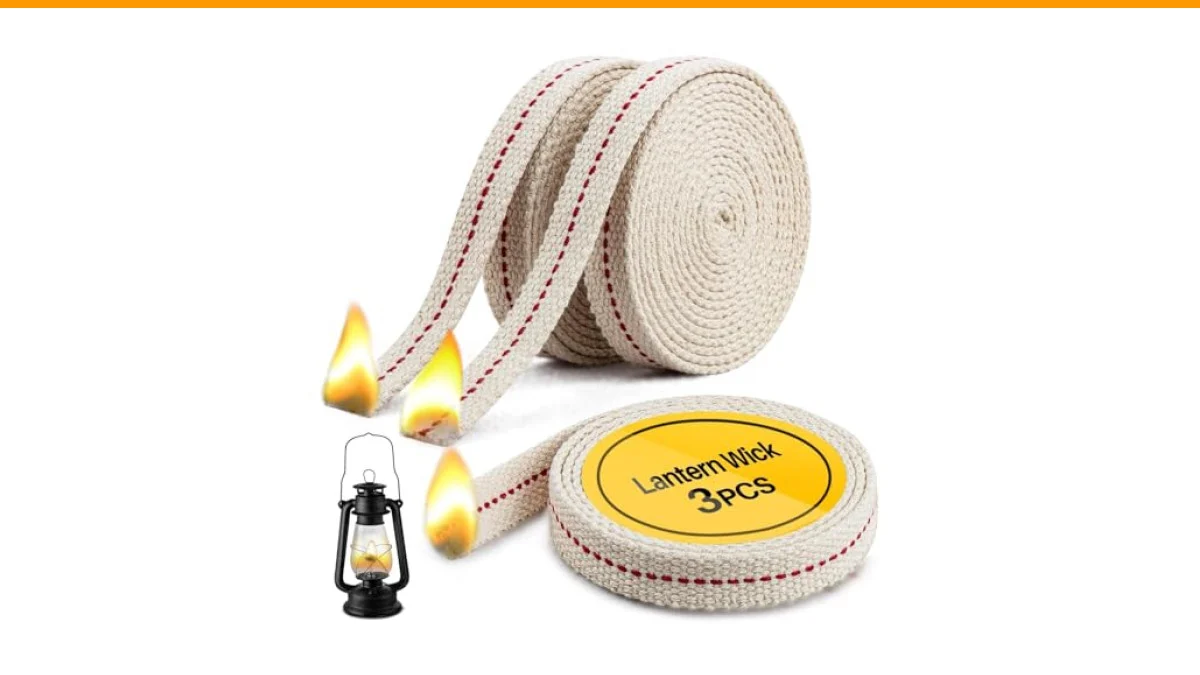
Sukh Oil Lamp Wicks - 3 Rolls 1/2" Flat Cotton Red Stitch for Kerosene Lamp | Replacement Wicks for Kerosene Lanterns, Torches, Hurricane Lamps & Vintage Oil Burners & Halloween Decor, 19.7 Ft Total
- High Quality Materials: Our lantern wicks are made of quality and solid flat fiber cotton,designed to burn evenly and brightly wit…
- Easy to Use: This lamp oil wicks is easy to trim.You can cut the cotton lamp wick the length you needs.The lamp wicks needs to be…
- Wide Application: Our wicks for oil lamps is perfect for different types of flat wick oil lamps and oil lanterns, suitable for use…
For those looking for high-quality wicks, consider the Sukh Oil Lamp Wicks. These 1/2″ flat cotton wicks are designed to burn evenly and brightly while minimizing unpleasant odors. They can be easily trimmed to the desired length, making them suitable for a variety of lamps.
Understanding the Importance of Wick Maintenance
Wicks serve a critical role in oil lamps, drawing fuel from the reservoir to the flame. Over time, a wick can become charred or uneven, leading to poor combustion and dim light. Regular trimming helps avoid these issues by ensuring the wick remains in optimal condition.
Here are a few key reasons why trimming your kerosene wick is essential:
- Improved Efficiency: A properly trimmed wick allows for better fuel absorption and combustion. This means a brighter flame and more efficient burning of kerosene.
- Reduced Smoke: An untrimmed wick can produce excess smoke and soot, which not only detracts from the experience but can also be harmful to your health.
- Increased Safety: A charred or improperly sized wick can lead to flare-ups or erratic flames, increasing the risk of fire hazards.
How to Trim Your Kerosene Wick
Trimming a kerosene wick isn’t complicated, but it requires a bit of practice. Follow these steps to ensure you trim effectively:
- Gather Your Tools: You will need scissors or a wick trimmer and a clean cloth.
- Remove the Wick: If possible, remove the wick from the lamp. This will allow you to trim it more easily and cleanly.
- Inspect the Wick: Look for any signs of burning or fraying. A healthy wick should be even and free from charred ends.
- Trim to Length: Cut the wick at a 45-degree angle, removing about 1/4 inch from the top. This helps to promote a clean burn.
- Reinsert the Wick: Place the trimmed wick back into the lamp, ensuring it sits properly in the fuel reservoir.
- Soak the Wick: Allow the wick to soak in kerosene for a few minutes before lighting. This ensures a smooth ignition and an even burn.
Options for Wick Trimming: Tools and Techniques
Choosing the right tools can make a noticeable difference in your trimming experience. Here’s a comparison of common trimming tools:
| Tool | Description | Best For |
|---|---|---|
| Scissors | Standard scissors for cutting wick. | General use, easy to find. |
| Wick Trimmer | Specialized tool designed for trimming wicks at an angle. | Precise cuts, ideal for frequent users. |
| Knife | A sharp knife for clean, quick cuts. | In outdoor settings or when precision isn’t critical. |
Common Questions about Kerosene Wick Trimming
How often should I trim my kerosene wick?
Trim your wick every few uses or when you notice a decrease in flame quality. Regular maintenance keeps your lamp burning efficiently.
What happens if I don’t trim my wick?
An untrimmed wick can lead to a smoky flame, reduced brightness, and potential safety hazards. It’s crucial to maintain it regularly.
Can I use any type of wick for my kerosene lamp?
Not all wicks are suitable for every lamp. Always check your lamp’s specifications and use wicks designed for your specific model.
How do I know if my wick is too long?
If the flame flickers or produces excessive smoke, your wick is likely too long. A properly trimmed wick should create a steady flame without smoke.
Is it okay to reuse a wick?
Yes, as long as it’s in good condition. Regular trimming can extend the life of your wick, making it usable for a longer period.
Final Insights
- Trim your kerosene wick regularly for optimal performance.
- Use proper tools for clean cuts and maintenance.
- Monitor the wick’s condition to prevent safety hazards.
- Soak the wick before lighting for a smooth start.
- Consider high-quality wicks like Sukh Oil Lamp Wicks for better burning efficiency.
- Check your lamp’s specifications for compatible wick types.
- Practice makes perfect—get comfortable with trimming to enjoy your oil lamps fully.



