 Electric Heaters vs Oil-Filled Heaters [In-Depth Comparison]Watch on YouTube
Introduction to Micathermic and Oil-Filled Heaters
As cold weather sets in, many people find themselves searching for effective ways to keep their homes warm. Two popular options are micathermic heaters and oil-filled radiators. Both provide reliable heating solutions, but they operate differently and have distinct advantages and disadvantages. Understanding these differences can help you choose the right heater for your space and needs.
This article will explore how each type of heater works, their heating efficiency, portability, safety features, cost analysis, real-life user experiences, maintenance tips, and ultimately, which might be the better choice for you.
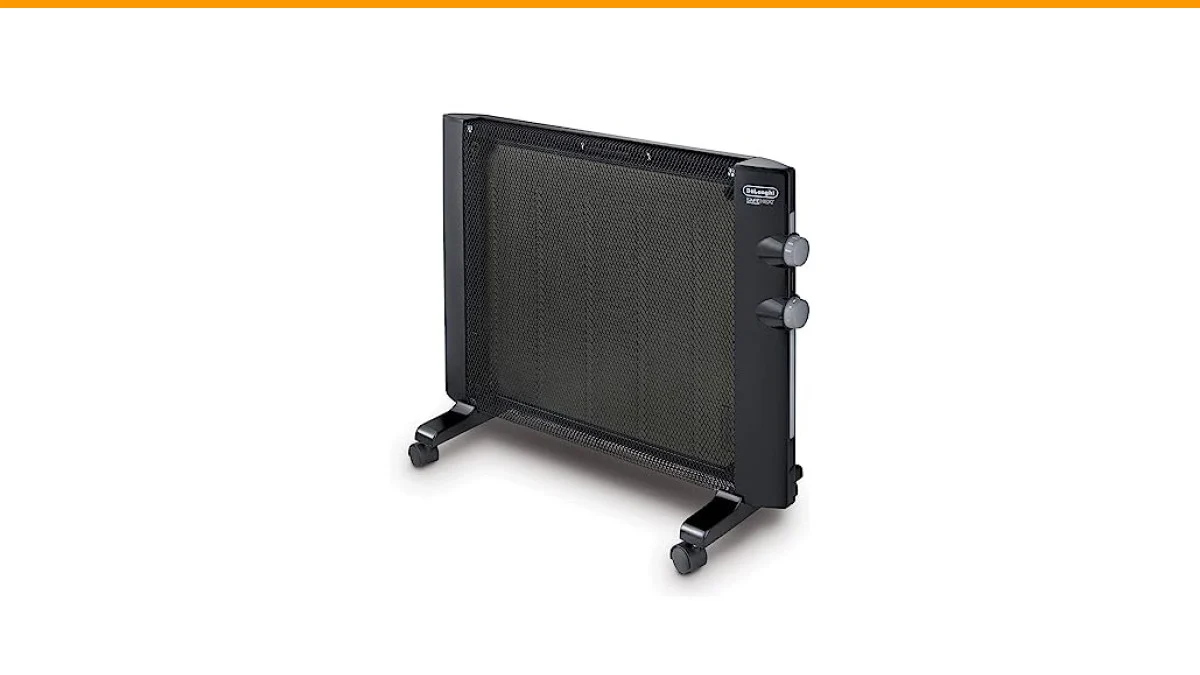
One notable option is the DeLonghi Mica Panel Space Heater, a micathermic model that offers quiet operation, efficient heating, and built-in safety features, making it suitable for various indoor environments.
How Micathermic Heaters Work
Micathermic heaters use mica panels to produce heat. They work by combining convection and radiant heating, quickly warming up a room. When you turn on a micathermic heater, it heats the mica panels, which in turn radiate warmth into the room while also circulating warm air.
These heaters typically reach their maximum temperature within a few minutes, making them ideal for those who need fast heat. They also have a sleek design that allows them to blend easily into modern decor.
How Oil-Filled Radiators Work
Oil-filled heaters, also known as oil-filled radiators, contain oil that is heated by electric coils. The oil retains heat for longer periods, allowing the radiator to continue warming the room even after the unit is turned off. The heat gradually disperses into the surrounding air, creating a steady warmth.
These heaters usually take longer to heat up than micathermic heaters, often requiring 15-30 minutes to reach optimal temperature. However, they provide consistent heat for longer durations, making them suitable for larger spaces.
Heating Efficiency: Micathermic vs. Oil-Filled
Heating efficiency is a crucial factor when comparing micathermic and oil-filled heaters. Micathermic heaters are known for their quick warm-up time, converting 100% of electricity into heat instantly. In contrast, oil-filled radiators take longer to heat up but maintain warmth longer due to the heat retention of the oil.
To illustrate the differences, consider the following:
| Feature | Micathermic Heater | Oil-Filled Radiator |
|---|---|---|
| Warm-Up Time | 2-5 minutes | 15-30 minutes |
| Heat Retention | Short-term | Long-term |
| Energy Consumption | High during operation | Lower when maintaining heat |
| Room Size Suitability | Small to medium | Medium to large |
Portability and Space Considerations
Portability can be a significant factor in choosing a heater. Micathermic heaters are generally lighter and slimmer, making them easy to move from room to room. Their design often allows for wall mounting, which can save floor space.
Oil-filled radiators tend to be bulkier and heavier, which can make them less convenient to transport. However, many come with wheels for easier movement. If you require a heater primarily for one location, an oil-filled radiator can still be a great option.
Safety Features of Each Heater Type
Safety is paramount when it comes to home heating. Micathermic heaters typically include features like thermal shutoff to prevent overheating and tip-over switches that turn off the unit if it falls. These features make them safer for use around pets and children.
Oil-filled radiators also come equipped with safety features, including overheat protection and a stable base to prevent tipping. However, since they can remain hot for an extended period after being turned off, it’s essential to keep them out of reach of small children and pets.
Cost Analysis: Purchase and Operating Costs
When considering cost, look at both the initial purchase price and operating costs. Micathermic heaters generally have a lower upfront cost than oil-filled models. However, since they can consume more electricity while operating, their long-term energy costs may be higher.
In contrast, oil-filled radiators tend to have a higher initial price but are often more energy-efficient over time due to their heat retention properties. Users may find that they run less frequently, leading to lower electricity bills in the long run.
Real-Life User Experiences and Testimonials
User experiences can provide valuable insight into the performance of both heater types. Many micathermic heater users appreciate their quick heat-up time and quiet operation. For instance, one user noted that the DeLonghi Mica Panel Space Heater was perfect for their medium-sized living room, as it heated up quickly without disturbing the air quality.
On the other hand, oil-filled radiator users often highlight the steady warmth and energy savings. One individual shared that their oil-filled radiator kept their bedroom warm throughout the night, allowing them to lower their overall heating costs. However, they mentioned the initial wait time for the heater to become effective.
Maintenance and Longevity of Heaters
Both heater types require minimal maintenance, but there are differences to consider. Micathermic heaters don’t have any moving parts or fluids, which means less chance of mechanical failure. Dust may accumulate on the panels, so regular cleaning is advisable.
Oil-filled radiators, while generally more durable, can develop leaks over time. Regular checks for leaks and ensuring the unit is clean can extend its lifespan. Users often report that both types can last over ten years with proper care.
Final Thoughts: Which Heater is Right for You?
- Consider micathermic heaters for quick, efficient heating in small to medium spaces.
- Opt for oil-filled radiators for consistent warmth and energy savings over time.
- Evaluate your mobility needs; micathermic heaters are often easier to move.
- Examine safety features, especially if you have children or pets.
- Think about long-term energy costs when making your investment.
Ultimately, the right choice depends on your specific needs and preferences. If you want immediate heat and portability, a micathermic heater like the DeLonghi Mica Panel Space Heater could be ideal. If you prefer longer-lasting warmth with efficient energy use, an oil-filled radiator may be the better option. For more detailed comparisons, you might check out articles on oil-filled heater comparisons or micathermic vs oil-filled heaters.
