Introduction to Oil-Filled and Convection Heaters
As winter approaches, the search for the perfect heating solution becomes a priority for many. You might find yourself standing in a store aisle, debating between an oil-filled heater and a convection heater. Both options promise warmth, but they operate quite differently. Understanding these differences can help you choose the right one for your needs.
In this article, we will explore how both types of heaters work, their pros and cons, and even delve into long-term costs and environmental impacts. By the end, you’ll have a clearer picture of which heater can best serve your space.

DUMOS
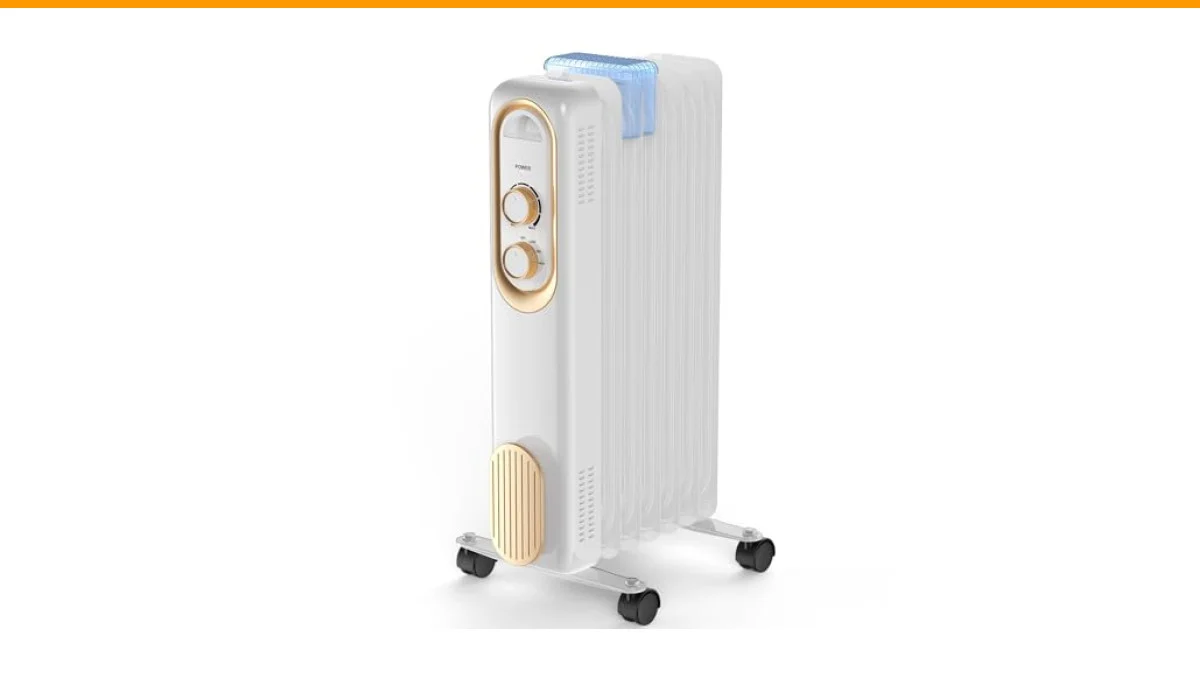
Dumos Oil Filled Radiator Heater with Adjustable Thermostat, Noiseless | 1500W Oil Space Heater for Indoor Use, Portable, Bedroom, Living Room, 22inch White
- 1500W Oil Filled Radiator Heater: Dumos 1500W Oil Filled Radiator Heater provides fast and efficient heating, quickly warming up s…
- Energy Efficient with 3 Heat Settings: This Dumos oil heater offers 600W, 900W, and 1500W modes with a adjustable thermostat (from…
- Safe & Reliable Operation: Equipped with a power indicator light, overheat protection, and a tip-over safety switch, this radiator…
For instance, the Dumos Oil Filled Radiator Heater offers a balance of efficiency and safety, making it a suitable choice for indoor environments. With adjustable settings and a noiseless operation, it exemplifies what an oil-filled heater can achieve.
How Oil-Filled Heaters Work
Oil-filled heaters utilize a sealed reservoir filled with oil that serves as the heating medium. When electricity heats the oil, it transfers warmth to the metal walls of the heater, which then radiates heat into the room. This process allows for uniform heating and gradual warmth retention, making these heaters ideal for long-term use.
The thermal mass of the oil means that even after the heater is turned off, it continues to radiate heat for a while. Many users appreciate this feature, especially in spaces where comfort needs to be maintained without continuous energy consumption.
How Convection Heaters Work
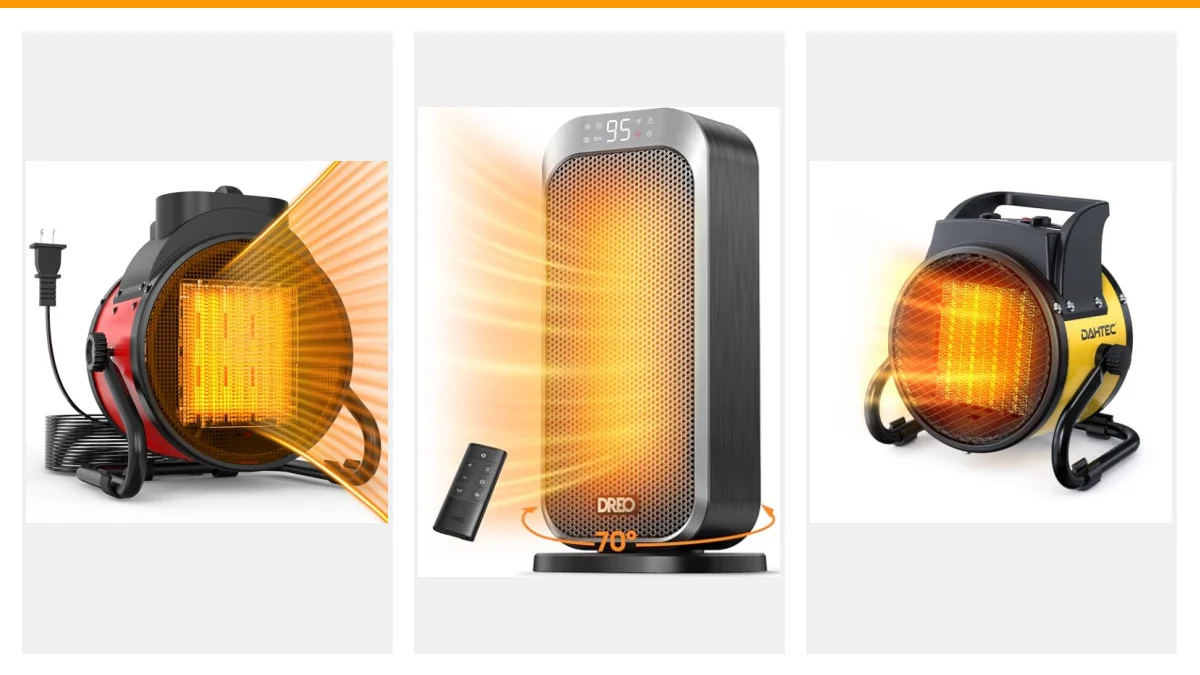
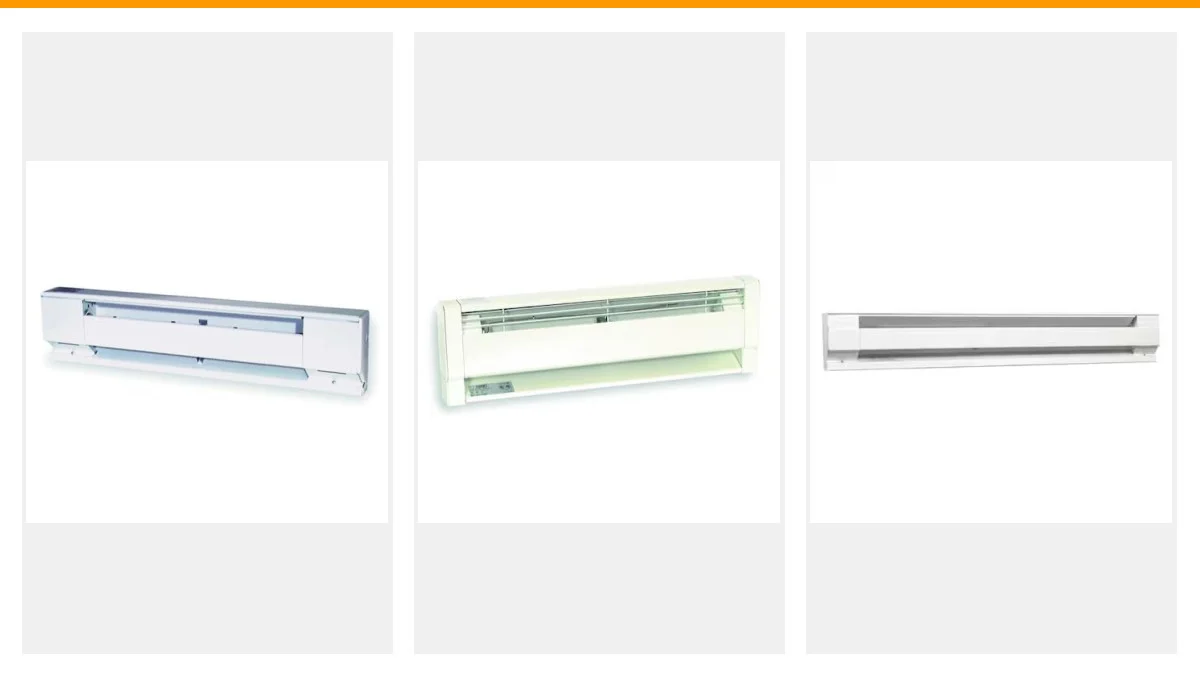
Convection heaters, on the other hand, rely on the principle of convection to heat the air in a room. They draw in cool air, heat it with an electric coil or a ceramic element, and then release the warmed air back into the room. This process creates a circulation of warm air, which can quickly raise the room temperature.
While convection heaters heat spaces more rapidly, they might not retain warmth as effectively as oil-filled models. The immediate warmth can be appealing, but it often leads to more frequent cycling of the heater to maintain a consistent temperature.
Head-to-Head Comparison: Key Differences
| Feature | Oil-Filled Heaters | Convection Heaters |
|---|---|---|
| Heating Method | Radiant heat from heated oil | Heated air circulation |
| Heat Retention | Excellent, retains warmth even after turned off | Moderate, cools down quickly |
| Noise Level | Ultra-quiet | Can be noisy depending on fan use |
| Energy Efficiency | High, lower energy consumption over time | Moderate, more energy use for continuous operation |
| Portability | Moderate, usually heavier | High, lightweight and easy to move |
| Ideal Use Case | Long-term heating in medium to large rooms | Quick heating of small to medium spaces |
Pros and Cons of Oil-Filled Heaters
Pros
- Excellent heat retention keeps spaces warm longer.
- No noise during operation, making them ideal for bedrooms or quiet areas.
- Energy-efficient, often leading to lower electricity bills over time.
- Safe operation with built-in safety features like tip-over switches.
Cons
- Heavier and less portable than convection heaters.
- Initial heating takes longer compared to convection options.
- Higher upfront cost than some basic convection models.
Pros and Cons of Convection Heaters
Pros
- Quickly heats a room, perfect for short-term use.
- Lightweight and easily portable for different room setups.
- Often lower initial costs compared to oil-filled heaters.
Cons
- Cool down quickly once turned off, requiring frequent cycling.
- Can be noisy, which may be disruptive in quiet settings.
- Less energy-efficient for long-term heating, potentially increasing costs.
Best Use Cases for Each Heater Type
Choosing the right heater depends on your specific needs. Oil-filled heaters are ideal for:
- Bedrooms where quiet operation is essential.
- Living spaces needing long-term warmth.
- Areas where maintaining a stable temperature is important.
In contrast, convection heaters work well in:
- Small rooms that need quick heating.
- Temporary setups, such as guest rooms.
- Spaces where you might switch between rooms frequently.
Safety Considerations for Portable Heaters
Both heater types come with safety features, yet they differ slightly. Oil-filled heaters usually have built-in overheat protection and tip-over switches, ensuring they turn off if knocked over. Convection heaters might also include these features, but the presence of fans can introduce a risk of overheating if dust accumulates on the heating element.
Regardless of the type, it’s essential to keep them away from flammable materials and never leave them unattended when in use. Always check for any recalls or safety ratings before purchasing.
Maintenance Requirements for Longevity
Maintenance needs for these heaters vary. Oil-filled heaters typically require minimal maintenance since the oil is sealed within the unit. Periodic cleaning to remove dust and dirt can keep them operating efficiently.
Convection heaters, however, may need more attention. Dust accumulation on heating elements can hinder performance, making regular cleaning important. Additionally, check the filters (if applicable) and replace them as needed.
Long-Term Cost Analysis: Which is More Cost-Effective?
When thinking about long-term costs, oil-filled heaters generally prove more cost-effective over time. Their energy-efficient design means they use less power once heated. Cost savings on electricity can add up significantly in colder months.
Convection heaters, while cheaper upfront, can lead to higher energy bills if used frequently for extended periods. They may be more economical for short-term or occasional use, but for long-term heating, the oil-filled option is often the way to go.
Environmental Impact: Sustainability Considerations
The production and disposal of heaters can impact the environment. Oil-filled heaters often contain materials that are more durable, leading to longer lifespans. This durability reduces the frequency of replacements, which can decrease waste.
Convection heaters may consume more energy during their operational life, contributing to higher carbon emissions if powered by non-renewable energy sources. Consider energy-efficient models that consume less power and reduce your carbon footprint.
User Testimonials and Case Studies
Real-world experiences help illustrate the effectiveness of both heater types. Users of oil-filled heaters often praise their ability to maintain warmth throughout the night without constant adjustments. One user noted that their Dumos Oil Filled Radiator Heater kept their bedroom at a comfortable temperature despite external winter chills.
Conversely, convection heater users appreciate the quick warmth they provide. A user shared that their convection heater quickly made their living room cozy for guests, but they had to run it continuously to maintain warmth, which increased their electricity bill.
Final Thoughts on Choosing the Right Heater
- Oil-filled heaters excel in long-term heating and energy efficiency.
- Convection heaters are best for quick and temporary heating needs.
- Consider your space and how often you’ll use the heater when making a choice.
- Check safety features and maintenance requirements to ensure longevity.
- Evaluate cost efficiency, including energy bills, before making a decision.