 What Is the Best Wood For Your Infrared Sauna - Poplar VS CedarWatch on YouTube
Choosing the Right Sauna: Outdoor Red Cedar vs Indoor Basswood
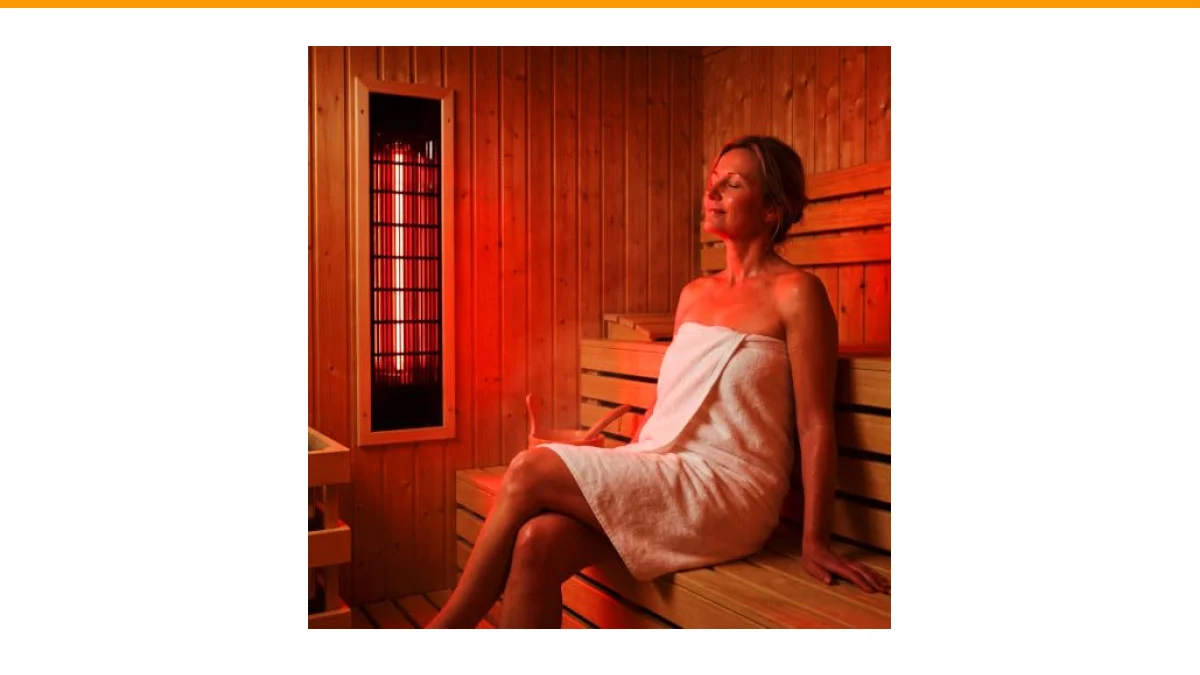
Imagine stepping into your sauna after a long day. The warmth envelops you, and the soothing scent of wood fills the air. But have you ever considered how the type of wood affects the longevity of your sauna? In this article, we’ll compare outdoor red cedar saunas with indoor basswood saunas, helping you make an informed decision based on durability, maintenance, and your specific needs.
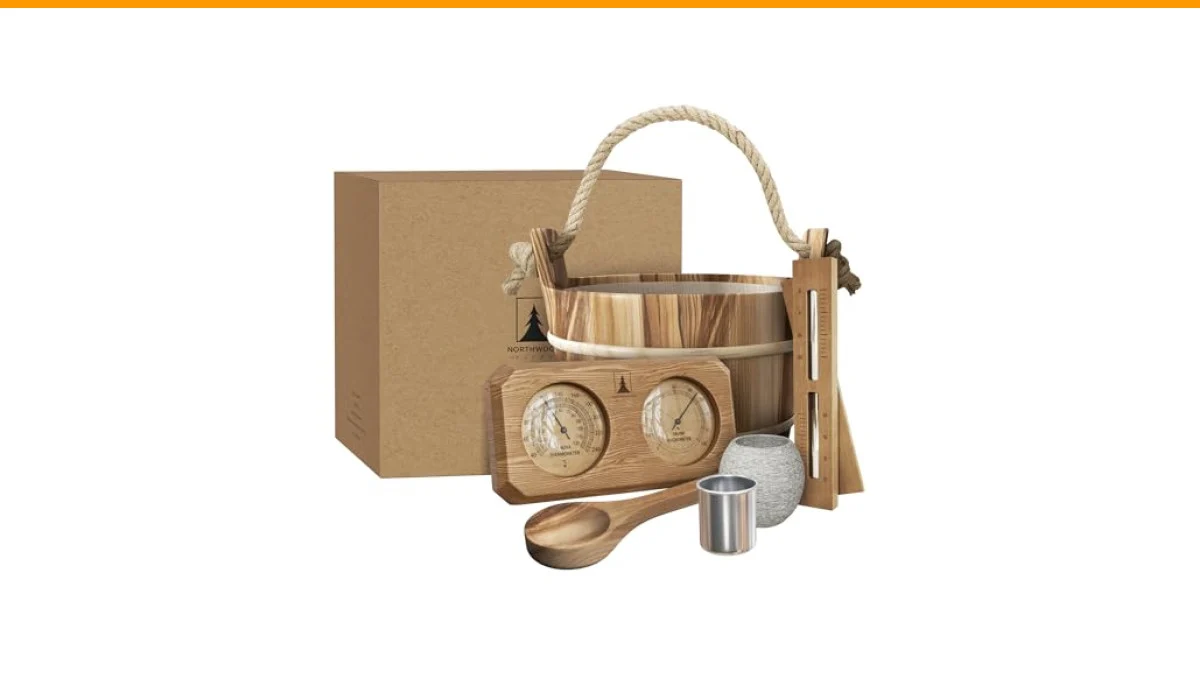
After exploring the differences between these two types of saunas, you’ll understand which option may last longer and provide a better experience. Plus, if you choose a sauna, consider enhancing it with quality accessories like the Northwood Sauna Accessories Kit, made from Canadian red cedar wood, which complements the natural aesthetics and functionality of your sauna.
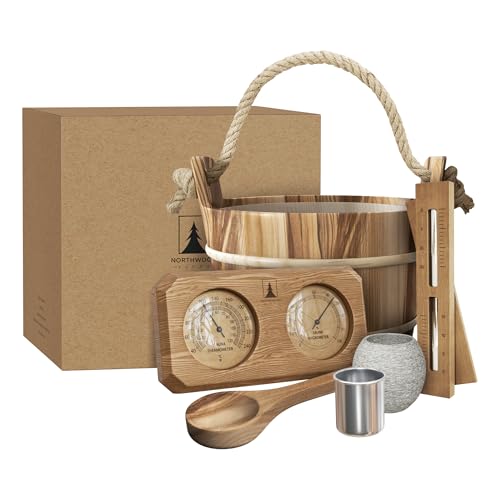
Northwood Sauna
Northwood Sauna - Sauna Accessories Kit - Handmade from Canadian Red Cedar Wood - Core Set (Bucket & Ladle, Thermometer & Hygrometer, Sand Timer, Aromatherapy Cup)
- Real Canadian Red Cedar Wood: Our sauna accessories kit is handmade from sustainable knotless wood and polished to perfection for…
- The Core Sauna Set: This collection contains all the essential accessories a sauna requires, including a Bucket & Ladle, Thermomet…
- Ideal Accessories: Our selection is made for North American saunas. The 1-gallon (4 L) bucket and 3.4 oz (100 mL) ladle perfectly…
Understanding Wood Properties and Longevity
Wood type is crucial to sauna longevity. Each wood variety offers unique characteristics that influence durability and maintenance. Let’s look at red cedar and basswood more closely.
Red Cedar Saunas
Red cedar is known for its natural resistance to moisture, decay, and insects. The essential oils in cedar wood provide a delightful aroma, which enhances the sauna experience while also acting as a natural preservative. Typically, red cedar saunas can last between 15 to 25 years with proper care.
Basswood Saunas
Basswood, on the other hand, is softer and less durable compared to red cedar. While it’s an excellent insulator and provides a gentle heat, it’s more susceptible to wear and tear over time. Basswood saunas usually have a lifespan of about 10 to 15 years, especially if they endure significant moisture exposure.
Environmental Considerations and Installation
Outdoor saunas must withstand varying weather conditions. Red cedar’s natural resistance to the elements makes it an ideal choice for outdoor installations. In contrast, basswood is usually better suited for indoor settings where environmental control is feasible. Making this choice can significantly affect the longevity of your sauna.
Here are some installation tips for both types:
- **Red Cedar Outdoor Sauna**: Ensure proper drainage and ventilation. Use a weather-resistant sealant on exterior surfaces to protect against rain and UV exposure.
- **Basswood Indoor Sauna**: Maintain consistent humidity and temperature levels. Regularly check for signs of moisture damage, especially in high-humidity areas.
Maintenance Practices for Longevity
Regular maintenance is key to extending the life of both types of saunas. Here are some best practices:
- **Cleaning**: Regularly clean the interior with a mild soap solution to prevent buildup of oils and dirt.
- **Inspecting**: Look for signs of damage, such as cracks or warping, and address them promptly.
- **Finishing**: For outdoor saunas, apply a protective finish every few years to enhance durability.
Comparative Overview
| Feature | Outdoor Red Cedar Sauna | Indoor Basswood Sauna |
|---|---|---|
| Longevity | 15-25 years | 10-15 years |
| Moisture Resistance | High | Moderate |
| Maintenance Needs | Low to Moderate | Moderate |
| Ideal Location | Outdoor | Indoor |
| Comfort Level | High aroma, pleasant heat | Gentle heat, less aroma |
FAQs: Common Questions
1. How often should I maintain my sauna?
For both types, a general rule is to conduct a thorough inspection and cleaning every 3-6 months. Adjust based on usage frequency.
2. Can I use a basswood sauna outdoors?
While it’s possible, basswood is not recommended for outdoor use due to its lower durability against weather conditions.
3. Does the aroma of the wood affect my experience?
Yes, red cedar provides a distinct, pleasant aroma that many users find relaxing, while basswood tends to have a milder scent.
4. How can I maximize my sauna’s lifespan?
Proper maintenance, including regular cleaning and checking for moisture issues, is essential for both types.
5. Are there any accessories I should consider for my sauna?
Yes, quality accessories like the Northwood Sauna Accessories Kit can enhance your sauna experience.
Final Thoughts
- Red cedar saunas generally offer longer longevity than basswood saunas.
- Choose red cedar for outdoor installations and basswood for indoor settings.
- Proper maintenance is crucial for extending the lifespan of your sauna.
- Invest in quality sauna accessories to enhance your overall experience.
- Regularly inspect for signs of damage to catch issues early.
- Understand the characteristics of each wood type to make an informed decision.
- Follow environmental considerations based on your sauna’s location.