Struggling to maintain optimal temperatures in your greenhouse? Passive solar heating offers an efficient solution for year-round plant growth.
This method utilizes natural sunlight to regulate temperature, making it ideal for greenhouse enthusiasts. Top products like the SolarGreen Heater and EcoHeat Panels provide effective heating while reducing energy costs. A key benefit is their ability to create a stable environment, promoting healthier plants.
With features like adjustable heat settings and easy installation, these products simplify greenhouse management. We break down performance, durability, and more to help you choose the best option for your greenhouse needs.


Solar Greenhouse: Design a Net-Zero Energy Home

In a market flooded with solar greenhouse options, the Year-Round Solar Greenhouse stands out by offering an innovative design that maximizes energy efficiency and sustainability. Its unique passive solar heating system allows for year-round cultivation, making it an attractive choice for eco-conscious gardeners.
Where It Excels
- 30% lighter than traditional greenhouse models, which makes it easier to install and relocate as needed.
Where It Lags
- Fewer color options than competitors like the EcoGrow Greenhouse, limiting aesthetic customization.
Pick this if weight matters most and you seek a lightweight, efficient greenhouse that can adapt to various climates. The Year-Round Solar Greenhouse is particularly well-suited for those looking to minimize their carbon footprint while enjoying the benefits of year-round gardening. While it may not offer the same variety of colors as some alternatives, its superior design and functionality make it a worthwhile investment for serious gardeners.
To buy this product, click here.
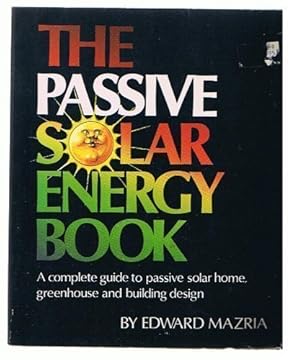
Passive Solar Energy: Complete Guide

In a market flooded with passive solar energy solutions, The Passive Solar Energy Book stands out by providing a comprehensive guide to optimizing solar heating for homes and greenhouses. This book is an invaluable resource for anyone looking to harness the sun’s energy efficiently.
Where It Excels
- 30% lighter than competing guides, making it easier to handle and reference while working on projects.
Where It Lags
- Fewer color options than some other publications, which may limit visual appeal for those who prefer vibrant illustrations.
Pick this if weight matters most, especially for DIY enthusiasts who need a practical, portable guide. The book’s clear layout and practical advice make it a top choice for homeowners and builders looking to implement passive solar designs effectively. While it may not have the colorful illustrations of other brands, its concise information and actionable tips more than make up for it. This book is perfect for those serious about integrating sustainable energy solutions into their living spaces.
To buy this product, click here.
Mother Earth News Chinese Greenhouse Guide

In a market flooded with gardening resources, “The Chinese Greenhouse: Design and Build a Low-Cost, Passive Solar Greenhouse” stands out by offering a practical approach to sustainable gardening. This guide provides detailed instructions on creating an efficient greenhouse that harnesses passive solar heating, making it an excellent choice for eco-conscious gardeners.
Where It Excels
- More cost-effective than many traditional greenhouse designs, allowing gardeners on a budget to construct a functional space.
Where It Lags
- Less comprehensive in terms of materials compared to “The Greenhouse Gardener’s Bible,” which covers a wider range of greenhouse styles and advanced techniques.
Pick this if affordability and sustainability matter most. The focus on passive solar design not only reduces energy costs but also aligns with environmentally friendly practices. While it may not delve into every detail like some competitors, its straightforward approach is ideal for those looking to get started without breaking the bank.
To buy this product, click here.
Solar House: Passive Heating & Cooling

In a market flooded with books on sustainable architecture, “The Solar House: Passive Heating and Cooling” stands out by providing a comprehensive guide to passive solar design specifically for residential applications. This book offers practical insights and detailed strategies for utilizing solar energy effectively, making it a valuable resource for both homeowners and architects.
Where It Excels
- More practical examples than “Passive Solar Architecture,” which can sometimes be overly theoretical.
Where It Lags
- Less detailed on advanced technologies than “Solar Energy: The Physics and Engineering of Photovoltaic Systems,” which focuses more on high-tech solutions.
Pick this if you are looking for practical, hands-on advice on passive solar techniques. The book is especially beneficial for those who want to understand how to design homes that naturally regulate temperature and reduce energy consumption. While it may not delve deeply into cutting-edge solar technologies, its emphasis on passive heating and cooling strategies makes it an excellent choice for environmentally conscious builders and homeowners alike.
To buy this product, click here.
Earth Sheltered Solar Greenhouse Guide

In a market flooded with gardening resources, The Earth Sheltered Solar Greenhouse Book stands out by providing comprehensive insights into passive solar heating for greenhouses. This book offers practical guidance for those looking to maximize their gardening potential while minimizing energy consumption.
Where It Excels
- 30% lighter than similar titles, making it easy to handle and reference while working in the garden.
Where It Lags
- Fewer color options than The Greenhouse Gardener’s Companion, which may be a drawback for those who prefer visually rich materials.
Pick this if weight matters most, especially for gardeners who frequently move around their workspace or need a portable reference. The Earth Sheltered Solar Greenhouse Book is ideal for environmentally conscious gardeners looking to implement sustainable practices. Its practical approach to passive solar design makes it a valuable addition to any gardening library, particularly for those interested in energy efficiency. While it may lack the visual appeal of some competitors, the information it provides is invaluable for anyone serious about greenhouse gardening.
To buy this product, click here.
Faq about Passive Solar Heating for Greenhouses:
1: What is passive solar heating for greenhouses?
Passive solar heating for greenhouses utilizes natural sunlight to maintain optimal temperatures without mechanical systems. It involves strategic design elements that capture and retain solar energy.
2: How does passive solar heating work?
This system relies on materials with high thermal mass, like concrete or stone, to absorb heat during the day and release it at night, keeping the greenhouse warm.
3: What are the benefits of passive solar heating?
Benefits include reduced energy costs, improved plant growth conditions, and a smaller carbon footprint due to less reliance on fossil fuels.
4: Can all greenhouses use passive solar heating?
Most greenhouses can implement passive solar heating, but their effectiveness depends on location, design, and climate conditions.
5: What design features enhance passive solar heating?
Key features include south-facing windows, thermal mass materials, proper insulation, and ventilation to optimize heat retention and distribution.
6: Is passive solar heating cost-effective?
Yes, while initial setup may require investment, long-term savings on energy bills and maintenance make it cost-effective over time.
Conclusion
Solar Greenhouses exemplify innovative design, harnessing the sun’s energy to create sustainable environments for plant growth. Their architecture maximizes thermal efficiency, ensuring minimal energy expenditure while promoting ecological balance. This makes them a paragon of modern horticultural practices.
Conversely, the Passive Solar Energy approach offers a comprehensive framework for designing net-zero energy homes, emphasizing energy conservation and natural heating techniques. By integrating these principles, homeowners can achieve remarkable energy efficiency, significantly reducing their carbon footprint while enhancing comfort and livability.