Many people rely on propane for grilling, camping, or heating, but they often overlook a crucial component of their setup: the propane hose. A faulty hose can lead to dangerous leaks or equipment failure, risking safety and wasting money. Regular inspection of propane hoses is essential to ensure your outdoor experiences remain enjoyable and safe.
This article will walk you through the essential steps for inspecting propane hoses, common issues to look for, and tips to maintain your equipment. By the end, you’ll have a solid understanding of how to keep your propane system reliable and safe.

Alloxity
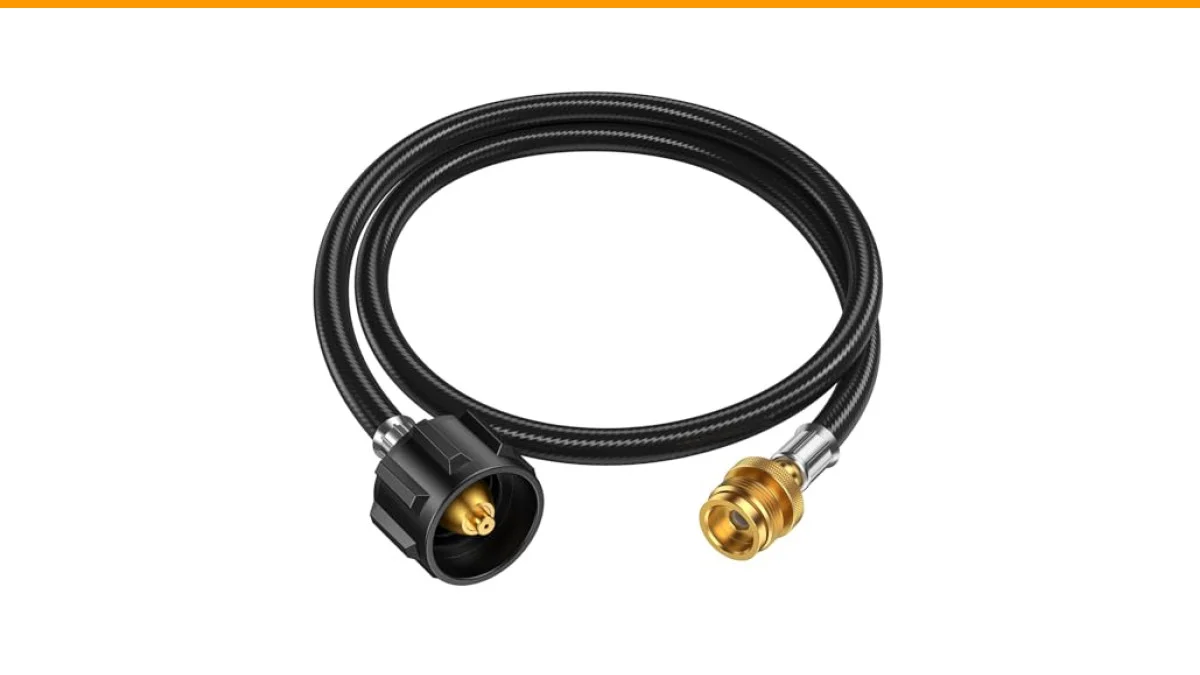
4ft Propane Hose Adapter 1lb to 20lb,Propane Adapter 20lb to 1lb Converter, Propane Tank Adapter Hose 20 lb to 1 lb for Weber Q Grill/Coleman Stove/Blackstone Griddle/Buddy Heater/Weber Traveler
- Updated Propane Hose Adapter — Alloxity propane hose adapter is specifically designed to fit perfectly for Weber Q grills, Coleman…
- Leakage-proof Design — The heavy-duty brass adapters are precisely manufactured to ensure proper connection, preventing leakage or…
- Save Tons of Money — Alloxity propane tank adapter is an excellent solution to save money. By connecting the propane hose to a 20l…
For those in need of a reliable propane connection, consider the Alloxity 4ft Propane Hose Adapter. It’s designed to connect 1lb LP outdoor appliances to 20lb tanks, providing a practical solution for camping or tailgating while ensuring a leakage-proof design.
Understanding Propane Hose Functionality
Propane hoses are critical in transporting propane gas from the tank to the appliance. They are typically made from durable materials to withstand high pressure and environmental factors. Understanding how these hoses function helps in identifying what to inspect for during your routine checks.
Steps for Propane Hose Inspection
Here are the steps you should take to effectively inspect your propane hose:
- Visual Inspection: Begin with a thorough visual check. Look for any signs of wear, cracks, or abrasions on the hose surface. Pay close attention to the ends where it connects to the regulator and appliance.
- Check for Leaks: Use a solution of soap and water to check for leaks. Apply the solution to the hose and connections while the propane is pressurized. Bubbles will form if there’s a leak.
- Assess Flexibility: Ensure the hose remains flexible. A stiff or brittle hose may indicate it needs replacing due to age or environmental exposure.
- Examine Connectors: Inspect the brass fittings for any signs of corrosion or damage. Corrosion can lead to unsafe connections and potential leaks.
- Test Pressure: If possible, test the pressure rating of the hose. Ensure it meets the specifications required for your appliances.
Common Problems to Look For
While inspecting your propane hose, be aware of these common issues:
- Cracks and Fraying: These can develop over time, especially in hoses exposed to the sun or harsh weather.
- Corrosion: Brass connectors can corrode, leading to unreliable connections.
- Leaks: Always prioritize leak checks. Even tiny leaks can lead to significant hazards.
- Age: Hoses typically last 5 to 10 years, depending on usage and environmental factors. Replace hoses that exceed their recommended lifespan.
Comparison of Propane Hose Inspection Tools
| Tool | Purpose | Pros | Cons |
|---|---|---|---|
| Soap and Water Solution | Leak detection | Simple, inexpensive to make | Requires manual application |
| Propane Leak Detector | Electronic leak detection | Accurate, quick results | Higher cost, requires batteries |
| Pressure Gauge | Testing pressure levels | Ensures hose meets specifications | Not always necessary for casual users |
How often should I inspect my propane hose?
Inspect your propane hose at least once a year and before each camping or grilling season. If you notice any issues, inspect more frequently.
What are the signs of a failing propane hose?
Signs include cracks, stiffness, leaks (bubbles in soap solution), or corrosion at connection points. Any of these require immediate attention.
Can I repair a damaged propane hose?
It’s generally advised to replace a damaged propane hose rather than attempt repairs. Safety is paramount, and a compromised hose could lead to leaks.
What type of propane hose should I use for my grill?
Use hoses rated for high pressure and designed specifically for propane. Hoses should meet local regulations and standards.
Are all propane hoses the same?
No, propane hoses differ in diameter, length, and material. Always check compatibility with your appliances.
Final Tips for Safe Propane Use
- Inspect your hose regularly, especially before heavy usage.
- Replace hoses every 5-10 years to ensure safety.
- Use the right tools for leak detection and pressure testing.
- Store hoses in a cool, dry place away from direct sunlight.
- Always prioritize safety; don’t ignore leaks or damage.
Proper propane hose inspection is crucial for safety and efficiency. Regular checks can prevent leaks, reduce costs, and keep your outdoor experiences enjoyable. With the right knowledge and tools, you can maintain your propane system effectively.



