Imagine coming home on a chilly evening. You open the door and are greeted not by a blast of frigid air, but by a warm, inviting space. How does that warmth envelop you? The answer often lies in the heating method used in your home: radiant or convection heat. Understanding these two heating systems can help you make informed choices for comfort and energy efficiency.
This guide will clarify the differences between radiant and convection heat, enabling you to decide which system best meets your needs. You’ll learn how each method works, their benefits and drawbacks, and even a product that exemplifies efficient convection heating.

DREO
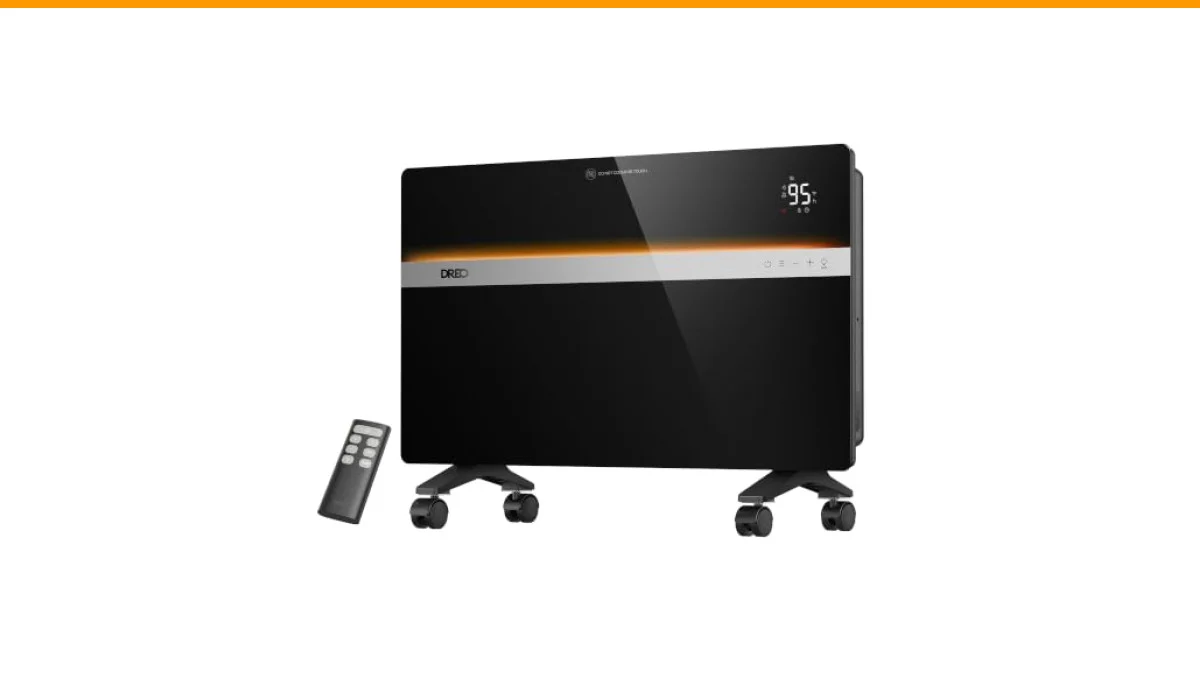
DREO Convection Panel Space Heater for Large Room 1500W, IP24 Protection | Quiet Wind-Free, Energy Efficient, Remote Control, 24H Timer, Precise Thermostat, Ambient Lighting, Ideal for Bathroom
- Wind-Free Convection Heat: Natural convection gently circulates warm air throughout your space for balanced, comfortable heat with…
- Easy Control, Your Way: Adjust your comfort with ease using the LED touch panel or backlit remote. Choose from multiple heat setti…
- Smart ECO Efficiency: The ECO mode automatically adjusts power output to maintain your preferred room temperature and reduce waste…
For those looking for a reliable convection heating solution, consider the DREO Convection Panel Space Heater. This 1500W heater offers wind-free convection heat that circulates warm air evenly throughout your space, ensuring comfort without drying out the air.
What is Radiant Heat?
Radiant heat warms objects directly in its path rather than heating the air. This is achieved through infrared radiation, which can come from various sources, including electric heaters, heated floors, or even the sun. The warmth from radiant heat feels immediate and comforting, as it warms you directly.
For example, a radiant heater can heat a specific area, like a bathroom, quickly. You might notice that even when the heater is off, the warmth lingers in the room longer than with convection heating. However, radiant heat can be less effective in larger or drafty spaces, as it relies on direct line-of-sight to transfer warmth.
What is Convection Heat?
Convection heat works differently. It heats air first, which then circulates throughout a room. This process occurs naturally as warm air rises and cool air descends, creating a cycle that distributes heat evenly. Common convection heaters include space heaters, radiators, and central heating systems.
The DREO Convection Panel Space Heater is an excellent example of efficient convection heating. With its smart ECO mode, it adjusts power output to maintain your preferred temperature while minimizing energy waste. This heater circulates warm air without creating drafts, making it ideal for consistent room warmth.
Comparing Radiant and Convection Heat
| Feature | Radiant Heat | Convection Heat |
|---|---|---|
| Heating Method | Directly warms objects and people | Heats air, which then warms the room |
| Warm-Up Time | Immediate warmth | Varies; can take longer to feel warm |
| Energy Efficiency | Good for small spaces; heat lingers | Can waste energy in drafty areas |
| Best Use Cases | Small rooms, bathrooms, outdoor spaces | Living rooms, larger spaces, whole-house heating |
| Comfort Level | Feels warmer at lower temperatures | More uniform temperature across space |
FAQs about Radiant vs Convection Heat
Which heating method is more energy-efficient?
Convection heating can be more energy-efficient in larger spaces because it distributes heat evenly. However, if you need quick warmth in a small area, radiant heat can be effective.
Can I use both heating methods in my home?
Yes, many homes use a combination of both heating methods. For instance, you might employ radiant heat in bathrooms for quick warmth and convection heat in living areas for consistent heating.
Is radiant heat better for health?
Radiant heat can be healthier for some because it doesn’t circulate dust and allergens as convection heaters do. However, it can lead to dry skin if used excessively.
How long does it take for convection heat to warm a room?
It typically takes 15-30 minutes for convection heating to warm a room, depending on the heater’s power and the room’s insulation.
Will a convection heater work well in a drafty room?
Convection heaters can struggle in drafty rooms since they rely on heating air. However, models with efficient insulation and placement can still be effective.
Takeaways for Choosing Your Heating Method
- Radiant heat offers immediate warmth and is perfect for small spaces.
- Convection heat provides more uniform heating, ideal for larger areas.
- Consider your specific needs: quick warmth vs. consistent temperature.
- The DREO Convection Heater is an excellent choice for energy-efficient comfort.
- Don’t hesitate to use both methods for optimal home heating.
- Evaluate your home’s insulation to determine which heater will be most effective.
- Understand your heating preferences to choose the best heating system for your lifestyle.



