Walking into a room with a roaring fire in the fireplace, you might notice the warm air gathering near the ceiling. Meanwhile, the floor feels noticeably cooler. This observation leads to a common question: why does heat rise? Understanding the science behind this phenomenon can help you manage your home’s heating more effectively and improve overall comfort.
This article will explain the principles of heat rising, the role of convection currents, and practical ways to utilize this knowledge in everyday situations. You’ll also learn about products, like the Yudlto Adjustable Fireplace Heat Shield Hood, which can help manage heat distribution safely and effectively.

Yudlto
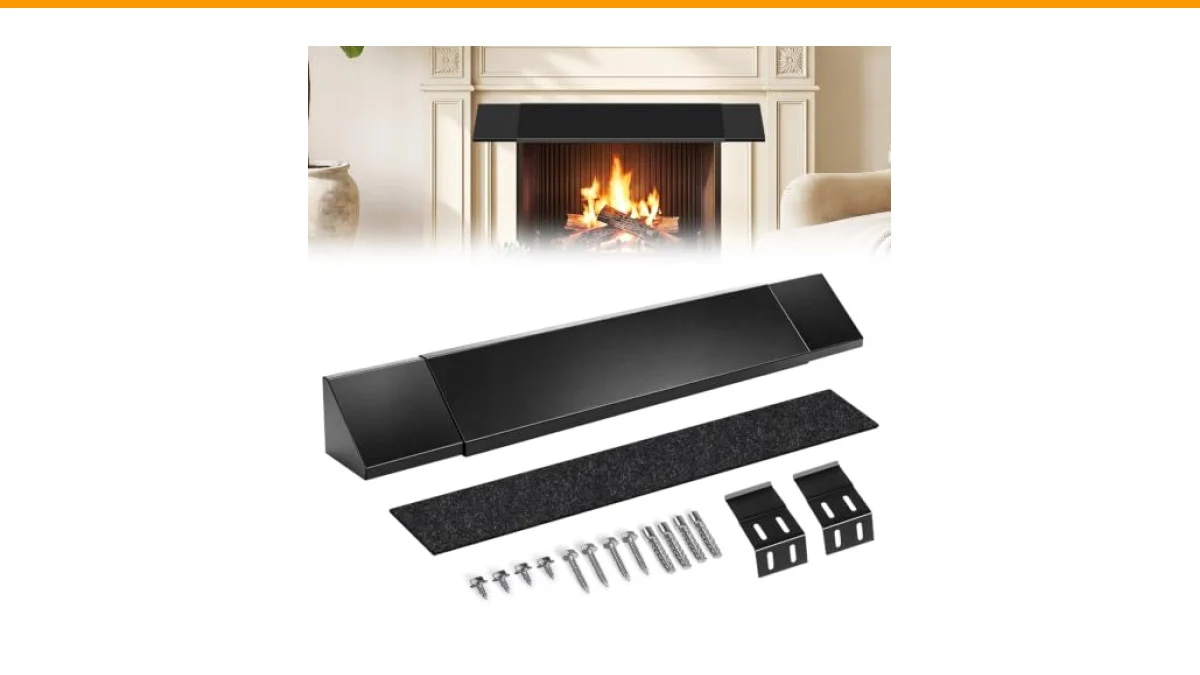
Yudlto Adjustable Fireplace Heat Shield Hood 28-48 Inch with Insulation | Protects from rising heat, fits wood gas electric fireplaces, for mantels and TVs
- 【Insulation Upgrade】Equipped with fire-resistant insulation cotton that helps deflect heat and protect mantels and TVs from rising…
- 【Easy Adjustable Fit】Designed for 28-48 inch fireplaces with simple tool-free installation on most wood gas and electric models
- 【Effective Heat Deflector】Fireplace hood and heat shield combination redirects warmth away from walls electronics and surrounding…
The Yudlto Adjustable Fireplace Heat Shield Hood assists in redirecting heat away from walls and electronics, helping to protect your home from excessive heat build-up. Its adjustable design ensures it fits various fireplace sizes, while the fire-resistant insulation cotton deflects heat efficiently.
The Science of Heat Rising
Heat rises primarily due to the principle of convection. Convection occurs when warmer, less dense air rises, while cooler, denser air sinks. This movement creates a continuous cycle known as convection currents.
In practical terms, when you heat a space, the air closest to the heat source warms first. For example, in a room with a fireplace, the air above the flames heats up, becomes lighter, and rises towards the ceiling. As this warm air ascends, cooler air from the surroundings moves in to replace it, creating a flow that keeps the heating process ongoing. This is why you often feel warm air at the top of a room and cooler air near the floor.
Convection in Different Environments
Different environments exhibit convection in unique ways. Here are a few examples:
- Home Heating: Central heating systems use convection to circulate warm air throughout a house. Radiators release heat into the air, which rises, allowing cooler air to flow in.
- Cooking: Ovens use convection to cook food evenly. The warm air circulates around the food, ensuring it cooks thoroughly.
- Weather Patterns: On a larger scale, convection currents in the atmosphere help form weather systems. Warm air rising near the Earth’s surface can lead to cloud formation and precipitation.
In each case, the principle remains the same: warm air rises, creating a flow that can be harnessed for various purposes.
Practical Applications of Heat Rising
Understanding why heat rises can help you make informed choices about heating your home. Here are some practical tips:
- Utilize Ceiling Fans: Running ceiling fans in reverse can help push warm air down from the ceiling, redistributing heat more evenly throughout the room.
- Insulate Properly: Ensure your home is well-insulated to trap heat effectively. Areas like attics and walls can greatly benefit from insulation.
- Heat Shields: Use products like the Yudlto Adjustable Fireplace Heat Shield Hood to protect your electronics and furniture from excess heat while directing warmth where you need it.
- Open Floor Plans: Consider architectural designs that promote airflow and convection, allowing heat to circulate efficiently.
Implementing these strategies can enhance comfort and efficiency throughout your living space.
Here’s a summary of how heat rising can be managed effectively:
| Method | Benefits | Considerations |
|---|---|---|
| Ceiling Fans | Redistribute warm air | Requires electricity to operate |
| Insulation | Traps heat effectively | Initial investment needed |
| Heat Shields | Protects surfaces from heat | Installation may require tools |
| Open Floor Plans | Enhances airflow | May not suit all preferences |
What causes heat to rise?
Heat rises due to convection, where warm air is less dense and rises, while cooler air sinks. This creates a cycle that keeps air flowing.
How can I improve heat distribution in my home?
Consider using ceiling fans, ensuring proper insulation, and utilizing heat shields. These methods help distribute warmth evenly throughout your space.
Are there any disadvantages to heat rising?
One downside is that heat often accumulates near the ceiling, leaving lower areas cooler. This can lead to discomfort in spaces with high ceilings.
Can I use convection for cooling?
Yes, convection can also be harnessed for cooling. For instance, using fans can help circulate cooler air, enhancing comfort during hot weather.
Why is insulation important for heat rising?
Insulation keeps warm air from escaping, ensuring that heat stays where it’s needed. Good insulation reduces energy costs by maintaining temperature.
Final Recommendations
- Understand convection basics to improve home heating.
- Use ceiling fans strategically for better heat distribution.
- Invest in insulation for long-term efficiency.
- Consider heat shields for protection against high temperatures.
- Design your space with airflow in mind.
- Monitor and adjust heating systems for optimal performance.
- Stay informed about new heating technologies and products.



