Understanding Hypothyroidism and Sauna Use
Many people enjoy the soothing warmth of a sauna after a long day. It’s a popular way to relax, detox, and rejuvenate the body. However, if you have hypothyroidism, you might wonder if sauna use is a safe choice. After all, hypothyroidism affects your metabolism and body temperature regulation, leaving you with concerns about how your body might react to heat.
This article will explore the relationship between sauna use and hypothyroidism. You’ll learn about the potential benefits, any risks involved, and practical considerations for incorporating sauna sessions into your wellness routine. By the end, you’ll have a clearer understanding of whether sauna use is appropriate for you.

RRGFB
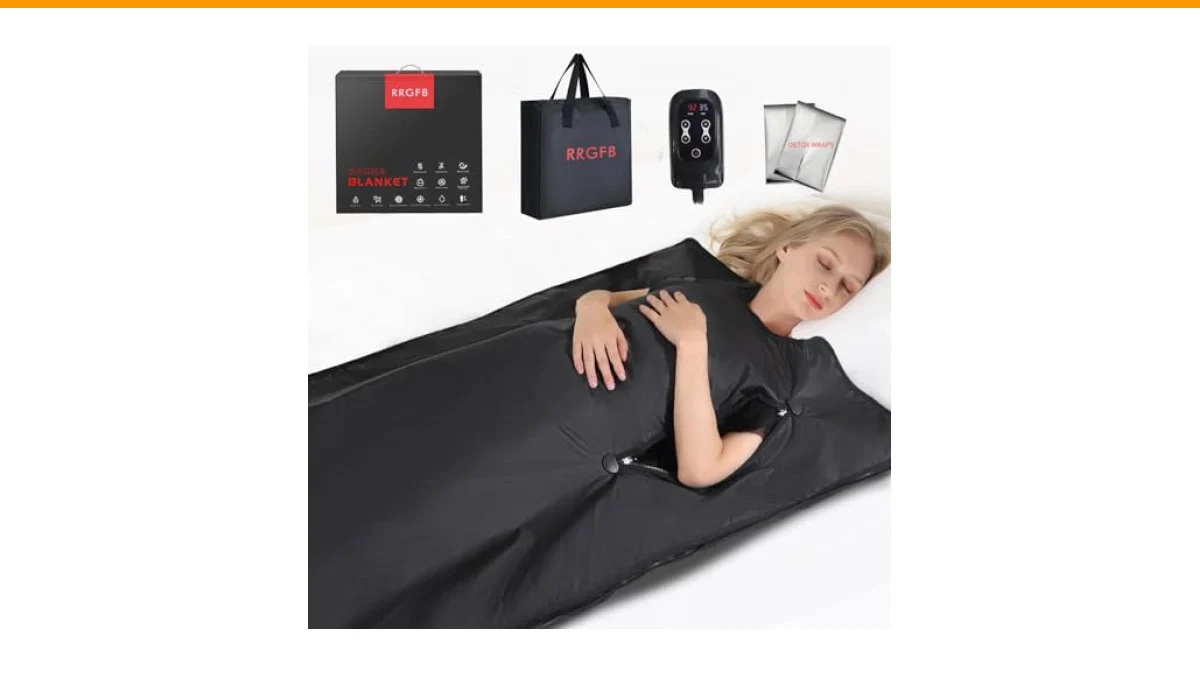
RRGFB Infrared Sauna Blanket for Home Detox, Portable, 6 ft x 2.6 ft | Low-EMF Waterproof Oxford fabric 1-60 min timer Overheat auto shut-off 5 wraps & bag
- Relaxation at Home: Transform your home into a relaxing spa with our sauna blanket. Just 30 minutes of use allows you to unwind an…
- Rejuvenating Sweat Experience: Support your daily wellness routine with a gentle, soothing sweat session. Regular use helps refres…
- Enhanced Blood Circulation: This infrared sauna blanket is designed to improve blood circulation, which can aid muscle recovery an…
If you’re considering a convenient option to enjoy sauna benefits at home, the RRGFB Infrared Sauna Blanket may be a suitable choice. This portable sauna blanket offers a rejuvenating experience that can fit into your wellness routine seamlessly.
Potential Benefits of Sauna for Hypothyroidism
Saunas can provide several benefits that may appeal to those managing hypothyroidism. Here are some noteworthy advantages:
- Improved Blood Circulation: Saunas induce sweating and elevate heart rate, which can enhance blood flow. Better circulation may help improve the delivery of nutrients and oxygen to tissues.
- Detoxification: Sweating is a natural way to eliminate toxins from the body. For individuals with hypothyroidism, detoxification might support overall health and wellness.
- Stress Relief: The calming heat of a sauna can reduce stress and relax muscles. This benefit can be particularly valuable for those experiencing stress-related symptoms of hypothyroidism.
In addition to these benefits, regular sauna use may support skin health by promoting sweating and cleansing pores. However, it’s essential to approach sauna sessions with caution.
Risks of Sauna Use for Individuals with Hypothyroidism
While the benefits of sauna use are appealing, there are some risks to consider, especially for those with hypothyroidism:
- Heat Sensitivity: Individuals with hypothyroidism often experience difficulties with temperature regulation. Prolonged exposure to high heat can lead to discomfort or overheating.
- Dehydration: Sweating can lead to fluid loss. If you have hypothyroidism, maintaining proper hydration is crucial. Dehydration can exacerbate symptoms.
- Medication Interactions: Some thyroid medications may be affected by changes in body temperature or dehydration. It’s crucial to monitor how sauna use affects your symptoms and medications.
Consulting with a healthcare professional before starting sauna sessions is wise, especially if you have other underlying health conditions.
How to Safely Use a Sauna with Hypothyroidism
If you decide to incorporate sauna sessions into your routine, consider these practical tips to do so safely:
- Start Slowly: Begin with short sessions of about 5-10 minutes and gradually increase the duration as your body adjusts.
- Stay Hydrated: Drink plenty of water before, during, and after your sauna session to prevent dehydration.
- Monitor Your Body: Pay attention to how you feel. If you experience dizziness, nausea, or excessive fatigue, exit the sauna immediately.
- Consult Your Doctor: Regular check-ins with your healthcare provider can help ensure your sauna use aligns with your health needs.
Incorporating these practices can help you enjoy the benefits of sauna therapy while minimizing risks.
Comparing Sauna Types for Hypothyroidism Management
Different types of saunas offer unique experiences. Here’s a comparison of various sauna options:
| Type of Sauna | Description | Pros | Cons |
|---|---|---|---|
| Traditional Sauna | Uses heated rocks or stoves to produce steam. | High humidity, effective for relaxation. | Can be too hot for sensitive individuals. |
| Infrared Sauna | Uses infrared heaters to emit radiant heat absorbed by the body. | Lower temperatures, penetrates deeper into tissues. | May require longer sessions for noticeable effects. |
| Steam Room | Uses steam to create a humid environment. | Excellent for respiratory health. | High humidity may not be comfortable for everyone. |
| Portable Sauna Blanket | A compact option for home use that envelops the body in heat. | Convenient, easy to store, customizable settings. | Limited space and may not provide the same experience as a traditional sauna. |
Choosing the right type of sauna depends on personal preference and how each option fits into your lifestyle.
FAQ
1. Can sauna use help with weight loss for those with hypothyroidism?
Sauna use can promote temporary weight loss through sweating, but it doesn’t directly contribute to fat loss. For those with hypothyroidism, focusing on a balanced diet and regular exercise is essential for effective weight management.
2. How often can I use a sauna if I have hypothyroidism?
Start with one to two sessions per week. Monitor how your body responds and adjust accordingly. Always consult with your healthcare provider for personalized recommendations.
3. Is there a specific temperature I should aim for in the sauna?
Most people with hypothyroidism may find temperatures between 150°F to 170°F (65°C to 77°C) comfortable. However, this can vary based on individual tolerance.
4. Are infrared saunas safer for those with hypothyroidism?
Infrared saunas may be safer for individuals with hypothyroidism as they operate at lower temperatures. This can help reduce the risk of overheating while still providing benefits.
5. What should I do if I feel unwell during a sauna session?
If you feel dizzy, lightheaded, or unwell, exit the sauna immediately and hydrate. It’s crucial to listen to your body and prioritize your health.
Final Thoughts on Sauna Use and Hypothyroidism
- Consult your healthcare provider before using a sauna.
- Start with short sessions and gradually increase duration.
- Stay hydrated to prevent dehydration.
- Monitor your body’s responses during and after sessions.
- Consider infrared saunas for lower temperature options.
- Choose a sauna type that fits your lifestyle and comfort level.
- Listen to your body and prioritize safety in all wellness practices.