Introduction
As winter approaches, many people turn to space heaters to warm up their homes. It’s a common scene: you plug in your heater, snuggle up in a blanket, and enjoy the cozy warmth. But before you hit that power switch, you should know about space heater building codes. These codes are not just technical jargon; they are essential guidelines designed to keep your home safe from fire hazards and ensure that heating devices operate efficiently.
This article will walk you through the important aspects of space heater building codes. You’ll learn what codes apply in different situations, how to choose a compliant heater, and why following these regulations is crucial for your safety and comfort.

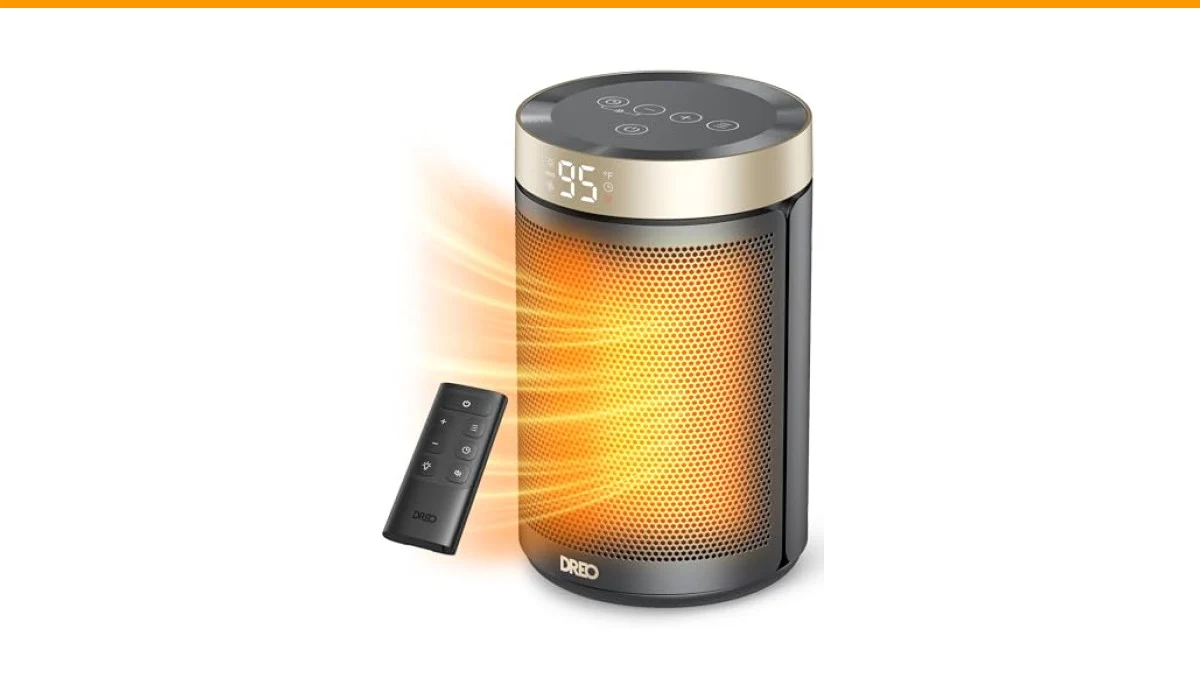
DREO
DREO Space Heater, Portable Electric Heaters for Indoor Use with Thermostat | 2026 Upgraded, 34dB Quiet, 12H Timer, 5 Mode, Remote, 1500W PTC Ceramic Fast Safety Heat for Office Bedroom Home, Gold
- Powerful heat that fits everywhere: DREO space heaters for indoor combines Hyperamics 1500W advanced PTC system with a new heat fu…
- Unbreakable safety:DREO goes beyond the unexpected to deliver peace of mind with every room heater. The innovative tilt-detection…
- Ultimate temperature control: The enhanced NTC chipset brings more precision to turn your space heater with thermostat into a smar…
Consider the DREO Space Heater, a well-designed portable electric heater that aligns with safety standards. Its features, such as overheat protection and flame retardant materials, reflect the importance of compliance with building codes, providing peace of mind while keeping your space warm.
Understanding Building Codes
Space heater building codes vary by location, primarily influenced by local regulations, the type of heating unit, and the specific installation conditions. Here are the key components you should know:
- National Fire Protection Association (NFPA): The NFPA sets national standards for fire safety that include guidelines for the use of space heaters.
- International Residential Code (IRC): This code outlines requirements for residential heating systems, including installation and maintenance of space heaters.
- Local Codes: Always check with your local building authority. They may have additional codes that pertain specifically to your area.
Understanding these codes ensures that your heating methods are not only effective but also safe. For instance, many codes specify minimum distances heaters must be kept from flammable materials. Ignoring these could lead to dangerous situations.
Key Compliance Features in Space Heaters
When selecting a space heater, consider the following compliance features. They directly relate to building codes and safety regulations:
- Tip-Over Switch: A crucial safety feature that automatically shuts off the heater if it tips over. This is often mandated in many building codes.
- Overheat Protection: Heaters should have mechanisms to prevent overheating, which can lead to fires.
- Flame Retardant Materials: Heaters made with flame-resistant materials help lower fire risk.
- Certification: Look for heaters certified by organizations like Underwriters Laboratories (UL) or ETL, which indicates compliance with safety standards.
Investing in a heater like the DREO Space Heater, which meets these criteria, can significantly enhance safety in your home.
Space Heater Placement and Use
Proper placement of space heaters is critical for efficiency and safety. Here are some guidelines that reflect common building codes:
- Keep Clearances: Maintain at least 3 feet of space around the heater. This distance is often a requirement in building codes to prevent fires.
- Avoid Improvised Extensions: Never use extension cords to power space heaters. Instead, plug them directly into a wall outlet. Many codes prohibit this due to fire hazards.
- Use on Level Surfaces: Place heaters on flat, stable surfaces to prevent tipping. If a heater is tipped over, the tip-over switch should activate, but it’s best not to rely solely on this feature.
Following these practices not only complies with building codes but also protects your home from potential fire hazards.
Comparative Table of Space Heater Features
| Feature | DREO Space Heater | Standard Models |
|---|---|---|
| Tip-Over Protection | Yes | Varies |
| Overheat Protection | Yes | Often Yes |
| Flame Retardant Materials | Yes | Limited |
| Certifications | ETL | UL or CE |
| Temperature Control | 41-95℉ | Varies |
Frequently Asked Questions
1. What are the general space heater building codes?
Building codes require space heaters to have safety features like tip-over switches and overheat protection. Additionally, codes often specify safe distances from flammable materials, usually 3 feet.
2. Are all space heaters compliant with building codes?
No, not all space heaters comply. Always check for certifications like UL or ETL and ensure they include essential safety features required by local and national codes.
3. How do I know if my space heater is safe to use?
Ensure your heater has safety features, is certified, and meets local building codes. Regularly inspect it for damage and avoid using it with extension cords.
4. Can I use a space heater while I sleep?
It’s generally not recommended to use a space heater while sleeping unless it has specific safety features like automatic shut-off. Always follow safety guidelines and local codes.
5. What are common mistakes when using space heaters?
Common mistakes include placing heaters too close to flammable materials, using extension cords, and neglecting regular maintenance. Always adhere to safety guidelines and check your heater’s condition.
Final Thoughts for Safe Heating
- Check local codes before using any space heater.
- Invest in heaters with safety certifications like ETL.
- Ensure your heater has tip-over and overheat protection.
- Maintain a safe distance around the heater.
- Avoid using extension cords with space heaters.
- Regularly inspect your heater for wear and tear.
- Educate everyone in your home about safe heater use.



