When the chill of winter sets in, many people turn to space heaters for a warm, cozy environment. Whether you’re working from home, watching TV, or trying to sleep, having a reliable source of heat can make all the difference. However, navigating the world of space heaters requires familiarity with key terminology. Understanding the specific features and specifications can help you select the best device to suit your needs.
This article will clarify essential space heater terminology, ensuring you feel confident in your purchasing decisions. We will discuss different types of heaters, key features, and safety considerations, along with a comparison table to help you evaluate your options.

DREO
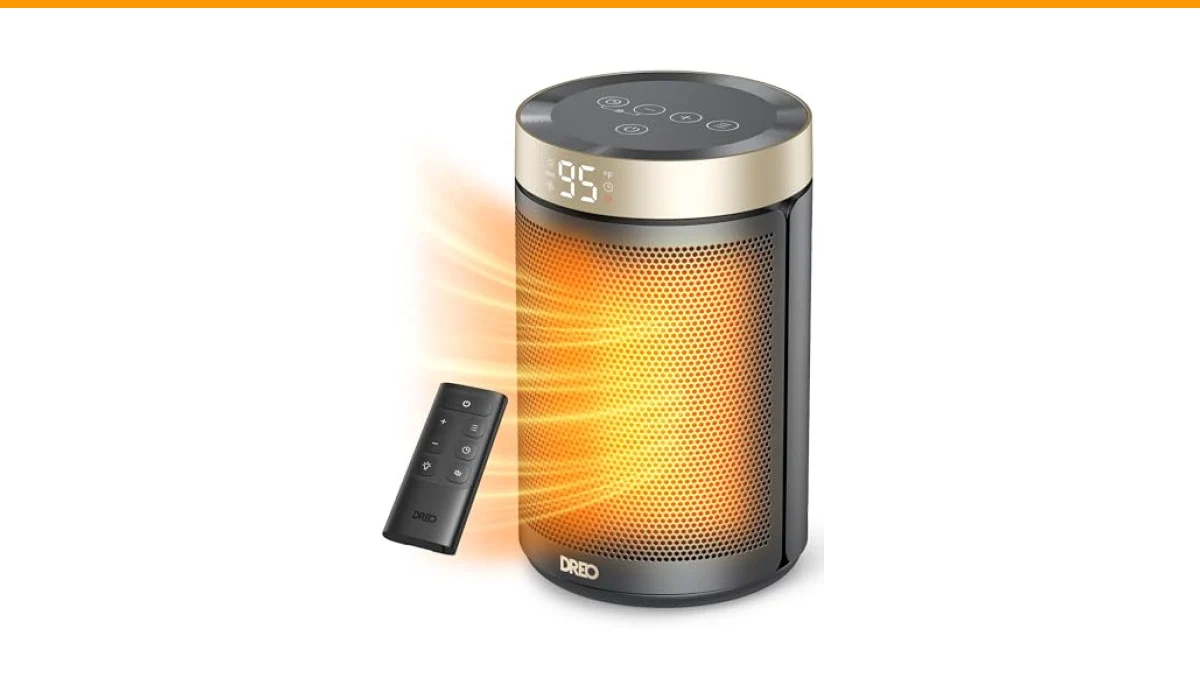
DREO Space Heater, Portable Electric Heaters for Indoor Use with Thermostat | 2026 Upgraded, 34dB Quiet, 12H Timer, 5 Mode, Remote, 1500W PTC Ceramic Fast Safety Heat for Office Bedroom Home, Gold
- Powerful heat that fits everywhere: DREO space heaters for indoor combines Hyperamics 1500W advanced PTC system with a new heat fu…
- Unbreakable safety:DREO goes beyond the unexpected to deliver peace of mind with every room heater. The innovative tilt-detection…
- Ultimate temperature control: The enhanced NTC chipset brings more precision to turn your space heater with thermostat into a smar…
One product that exemplifies advanced features in the space heater category is the DREO Space Heater. It offers multiple heating levels, a thermostat for temperature control, and advanced safety measures, making it a solid choice for indoor heating.
Types of Space Heaters
Space heaters come in various styles, each designed to provide warmth in specific ways. Here are the most common types:
- Convection Heaters: These heaters warm the air in the room. They work by pulling in cool air, heating it, and then circulating the warm air back into the space. This type is ideal for long-term heating.
- Radiant Heaters: Radiant heaters emit infrared radiation, which warms objects and people directly. They provide instant heat and are great for quick warmth in smaller areas.
- Fan-Forced Heaters: These heaters use a fan to distribute warm air throughout the room quickly. They are effective for heating larger spaces but can be noisier than other types.
- Micathermic Heaters: Combining convection and radiant heating, micathermic heaters warm the air while also radiating heat. They are efficient and often come with a sleek design.
Key Features to Consider
Choosing the right space heater involves understanding the features that can enhance your experience:
- Thermostat: A thermostat allows you to set a specific temperature. This feature helps maintain comfort and can save energy by turning the heater off when the desired temperature is reached.
- Safety Features: Look for heaters with tip-over protection and overheat protection. These features automatically shut off the device if it tips over or reaches unsafe temperatures.
- Heating Capacity: Measured in watts, the heating capacity indicates how much area a heater can effectively warm. For example, a 1,500-watt heater typically warms spaces up to 150 square feet.
- Noise Levels: Consider models that operate quietly, especially if you plan to use them in bedrooms or offices. Noise levels are often measured in decibels (dB).
Understanding Energy Efficiency
Energy efficiency is a significant factor when choosing a space heater. Look for models with energy-saving modes and programmable timers. These features help reduce energy consumption while maintaining comfort. The DREO Space Heater, for instance, provides an ECO mode designed to minimize energy usage without sacrificing warmth.
It’s also helpful to check the heater’s wattage. A lower wattage generally means less power consumption. However, ensure that the wattage is sufficient for the space you need to heat. A good rule of thumb is that you need about 10 watts per square foot of space.
Comparison of Space Heater Types
| Type | Heating Method | Best For | Noise Level | Energy Efficiency |
|---|---|---|---|---|
| Convection | Warm air circulation | Long-term heating | Low | Moderate |
| Radiant | Infrared radiation | Small, quick heat | Very low | High |
| Fan-Forced | Fan-assisted air heating | Large spaces | Moderate | Moderate |
| Micathermic | Combination of convection and radiation | Efficient heating | Low | High |
What is the safest type of space heater?
Generally, infrared and ceramic heaters are considered safe, particularly those equipped with safety features like tip-over and overheat protection. Always ensure your heater meets safety standards.
How do I maintain my space heater?
Regular maintenance involves cleaning dust and debris from the heater’s exterior and ensuring the vents are unobstructed. Check the power cord for any signs of wear and replace it if necessary.
Can space heaters be left on overnight?
It’s not recommended to leave space heaters on overnight unless they have built-in safety features. Always follow the manufacturer’s guidelines and consider your safety first.
Are electric heaters more efficient than gas heaters?
Electric heaters tend to be more energy-efficient in smaller spaces. However, gas heaters can be more efficient for larger areas or homes with proper ventilation.
What size heater do I need for my room?
The size of the heater you need depends on the room’s square footage. A rough estimate is about 10 watts per square foot. For a 150-square-foot room, a 1,500-watt heater is a good choice.
Final Thoughts
- Familiarize yourself with space heater terminology to make informed choices.
- Consider the type of heating method that best suits your needs.
- Look for essential safety features to ensure peace of mind.
- Evaluate energy efficiency to save on heating costs.
- Check the heater’s capacity to ensure it will adequately warm your space.
- The DREO Space Heater offers advanced features that enhance comfort and safety.
- Regular maintenance can extend the life of your space heater.



