When the chill of winter sets in, many of us reach for a space heater to fend off the cold. Whether you’re in a small apartment or a large home, these devices can provide targeted warmth where you need it most. However, with so many options and features, understanding the terminology can feel daunting. This glossary will guide you through key terms related to space heaters, aiding your decision-making process and helping you choose the right model for your needs.
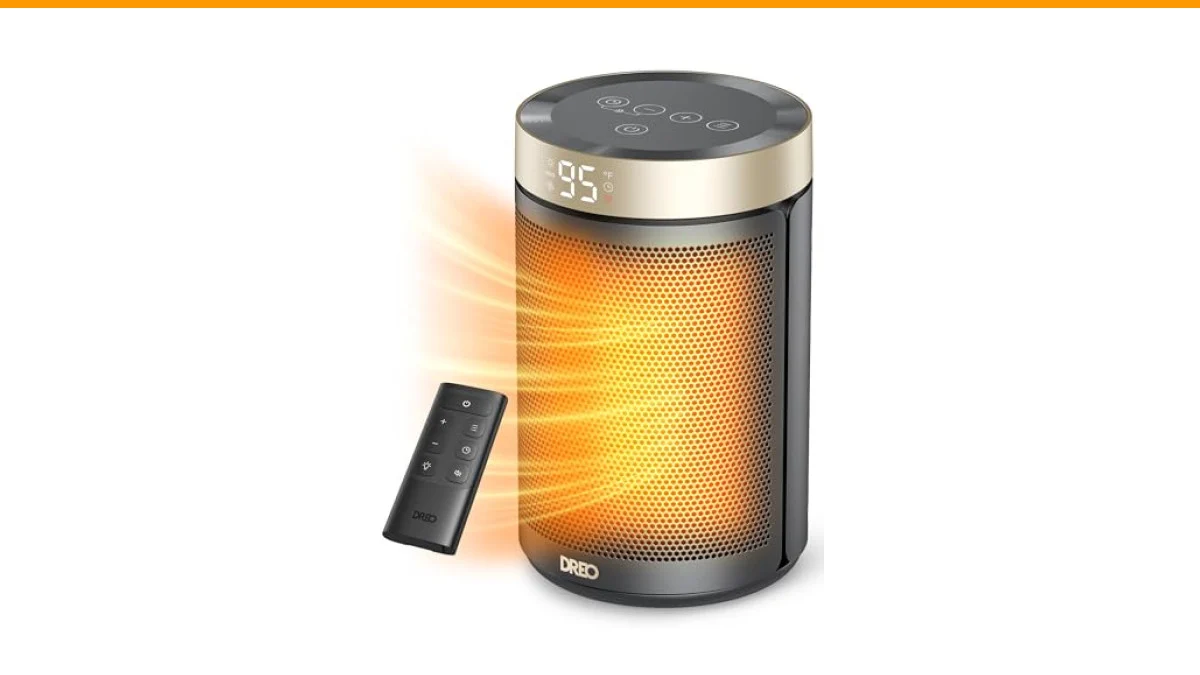
You’ll walk away from this article with a solid understanding of essential space heater terminology, as well as insights into how features like safety mechanisms and energy efficiency can impact your experience. For instance, if you’re considering the DREO Space Heater, you’ll find that it combines powerful heating capabilities with advanced safety features, making it a strong contender for your heating needs.

DREO
DREO Space Heater, Portable Electric Heaters for Indoor Use with Thermostat | 2026 Upgraded, 34dB Quiet, 12H Timer, 5 Mode, Remote, 1500W PTC Ceramic Fast Safety Heat for Office Bedroom Home, Gold
- Powerful heat that fits everywhere: DREO space heaters for indoor combines Hyperamics 1500W advanced PTC system with a new heat fu…
- Unbreakable safety:DREO goes beyond the unexpected to deliver peace of mind with every room heater. The innovative tilt-detection…
- Ultimate temperature control: The enhanced NTC chipset brings more precision to turn your space heater with thermostat into a smar…
Essential Space Heater Terminology
Understanding the lingo related to space heaters can empower you to make informed choices. Here are some of the most important terms:
- BTU (British Thermal Unit): A measure of heat output. Higher BTUs indicate more heat, suitable for larger rooms.
- PTC (Positive Temperature Coefficient): A type of heating element that heats up quickly and maintains a consistent temperature.
- Thermostat: A device that allows you to set and maintain a desired temperature. Models with adjustable thermostats can enhance energy efficiency.
- Tip-over Protection: A safety feature that shuts off the heater if it tips over, preventing potential fire hazards.
- Overheat Protection: Automatically turns off the heater if it reaches a dangerous temperature, providing an extra layer of safety.
These terms lay the groundwork for understanding how different space heaters operate and what features to look for.
Types of Space Heaters
Space heaters come in various types, each designed for specific applications:
- Radiant Heaters: These heaters emit infrared heat, warming objects and people directly without heating the air. They are ideal for small spaces.
- Convection Heaters: These units heat the air in the room, which then circulates. They provide even heating and are suitable for larger spaces.
- Fan Heaters: Equipped with a fan, these heaters blow warm air into the room quickly. They are effective for instant warmth.
- Oil-Filled Radiators: These heaters contain oil that retains heat. They warm up slowly but maintain warmth for a long time, making them efficient for prolonged use.
Each type has its advantages and is suited for different heating needs and preferences.
Energy Efficiency and Safety Features
When selecting a space heater, consider energy efficiency and safety features. Many modern heaters, like the DREO model, include:
- ECO Mode: This setting adjusts the heater’s output based on the room temperature, optimizing energy use.
- Child Lock: A feature that prevents accidental adjustments, ensuring safety in homes with children.
- Noise Level: Some heaters operate quietly, making them suitable for bedrooms or offices.
Paying attention to these aspects ensures a heater that not only warms your space but also operates safely and efficiently.
Comparing Space Heater Features
| Feature | Radiant Heater | Convection Heater | Fan Heater | Oil-Filled Radiator |
|---|---|---|---|---|
| Heat Type | Infrared | Hot Air | Hot Air | Oil |
| Warm-Up Time | Instant | Moderate | Quick | Slow |
| Room Size | Small | Medium to Large | Small to Medium | Medium |
| Energy Efficiency | Moderate | High | Moderate | High |
| Noise Level | Quiet | Quiet | Varies | Quiet |
Frequently Asked Questions
1. What is the safest type of space heater?
Convection heaters with advanced safety features, such as tip-over and overheat protection, are typically considered the safest. Look for models with these features.
2. How much power do space heaters use?
Space heaters generally use between 750 to 1500 watts. Higher wattage means more heat but also higher energy costs. Using an energy-efficient model can help manage these costs.
3. Can space heaters be left on overnight?
While some modern heaters have safety features that allow for overnight use, it’s generally recommended to turn them off before sleeping for safety reasons.
4. How do I choose the right size heater for my room?
Calculate the room’s square footage and match it to the heater’s BTU rating. A general rule is to allow 10 watts for every square foot of space.
5. Is it safe to use a space heater in a bathroom?
Using a space heater in a bathroom is risky due to potential moisture exposure. If necessary, ensure the heater is specifically rated for bathroom use and follow safety precautions.
Final Thoughts on Space Heaters
- Understand key terms like BTU and PTC.
- Choose a heater type based on your space and needs.
- Prioritize energy efficiency features like ECO mode.
- Look for safety features such as tip-over and overheat protection.
- Consider noise levels for bedroom or office use.
- Read reviews and product specifications carefully.
- Always follow manufacturer guidelines for safe operation.



