Imagine stepping into your very own home steam shower after a long day, feeling the warm, soothing steam envelop you. The stress of the day fades away as you sink into a relaxing atmosphere tailored just for you. However, achieving the perfect steam experience hinges on one crucial factor: the proper size of your steam generator. A steam generator that’s too small won’t provide sufficient steam, while one that’s too large may waste energy and create an uncomfortable environment. In this article, we’ll guide you through the process of steam generator size calculation for home steam shower rooms, ensuring you have the right setup for optimal relaxation.
Understanding steam generator sizing is essential for achieving a comfortable and effective steam environment. You’ll walk away from this guide not only knowing how to calculate the perfect size for your steam generator, but also grasping the nuances that can affect your decision. We’ll explore factors such as room size, insulation, and personal preferences, ensuring you make an informed choice.
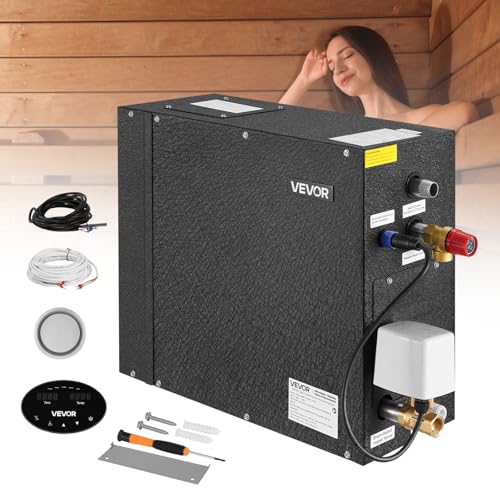
VEVOR
VEVOR Steam Generator, 9 kW Steam Shower System with Controller for Home Sauna & Spa, Commercial Auto Drain Kit with Overheat, Dry-Run & Overpressure Protection, 10min to 24h Timer, Black
- Tailored for Multiple Spaces: 9kW steam generator fits 212-318 ft³ / 6-9 m³ steam showers, home saunas, and bathrooms. Compact siz…
- Fast & Continuous Steam: Enjoy soothing steam in under 5 minutes and maintain consistent output from 10 minutes to 24 hours. Desig…
- Smart Temp & Timer Control: Digital controller lets you set temperature (77-131°F / 25-55°C) and time (10-24h) with ease. Real-tim…
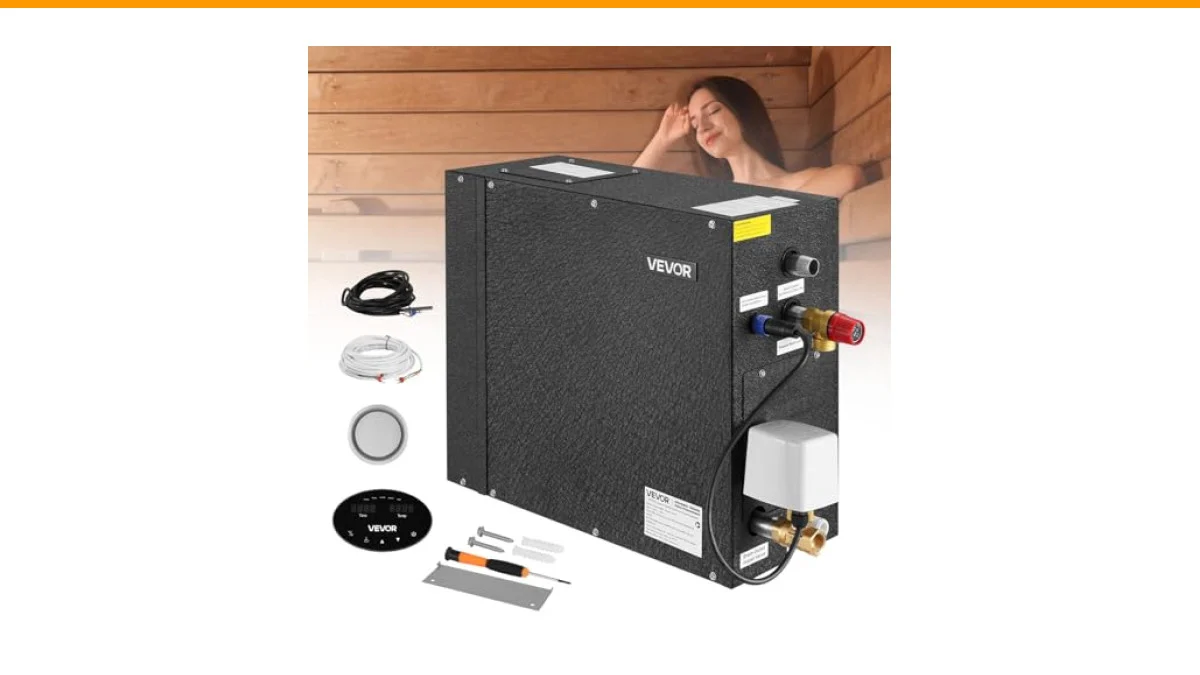
The VEVOR Steam Generator exemplifies a well-designed steam generator, offering a 9 kW output tailored for spaces up to 318 ft³. With features like quick heating and smart controls, it’s an excellent choice to consider while determining your steam requirements.
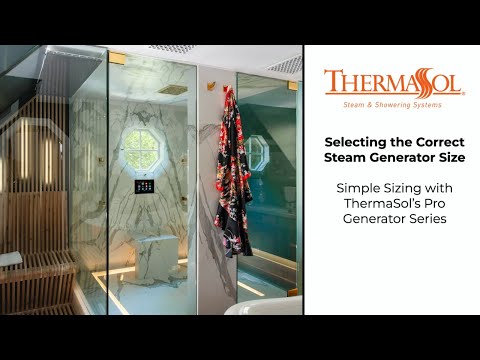 Selecting the Correct Steam Generator SizeWatch on YouTube
Understanding Steam Room Volume
The first step in steam generator size calculation is determining the volume of your steam room. This is typically measured in cubic feet (ft³) or cubic meters (m³). Multiply the length, width, and height of your steam room to get the total volume. For example, if your steam room measures 6 feet by 5 feet and has a height of 7 feet, the calculation would look like this:
- Length: 6 ft
- Width: 5 ft
- Height: 7 ft
Total Volume = 6 ft x 5 ft x 7 ft = 210 ft³
Most steam generators are rated for specific volumes, so knowing your steam room’s dimensions is critical. For instance, the VEVOR Steam Generator is designed to accommodate spaces between 212 to 318 ft³, making it versatile for various setups.
Calculating Required Power Output
Once you know your steam room’s volume, the next step is to determine the necessary power output of your steam generator. This is typically measured in kilowatts (kW). A good rule of thumb is to allocate approximately 0.5 to 1 kW for every 50 ft³ of steam room volume. Let’s apply this to our earlier example:
- Total Volume: 210 ft³
- Power Requirement: 210 ft³ / 50 ft³ = 4.2 kW
In this case, a steam generator with a minimum output of 4.2 kW would be appropriate. If you anticipate higher usage or prefer quicker heating, opting for a generator with a higher output around 5-6 kW could enhance your experience.
Considering Insulation and Heat Retention
Insulation plays a significant role in maintaining the temperature within your steam room. A well-insulated room retains heat more effectively, allowing for a smaller steam generator. Consider the following factors:
- Wall and Ceiling Insulation: Use high-quality materials that help keep steam from escaping.
- Sealing: Ensure doors and windows are tightly sealed to prevent steam loss.
- Flooring: Non-porous flooring can help maintain temperature and humidity levels.
For example, if your steam room is poorly insulated, you might need to increase the power output of your generator by 10-20% to compensate for the heat loss. Therefore, a 4.2 kW requirement could rise to 5.0 kW or more based on insulation quality.
Personal Preferences and Usage Patterns
Your personal preferences and steam usage patterns can also influence generator size. Consider these factors:
- Frequency of Use: If you plan to use the steam room daily, a more powerful generator may be beneficial.
- Number of Users: More users in the steam room at once may require increased power to maintain steam levels.
- Desired Temperature: Higher temperatures may necessitate a more robust generator.
For instance, if you frequently use the steam room with family or friends, opting for a generator with a higher output like the VEVOR’s 9 kW model could better accommodate your needs.
Steam Generator Size Comparison Table
| Generator Model | Power Output (kW) | Recommended Space (ft³) | Features |
|---|---|---|---|
| VEVOR Steam Generator | 9 | 212-318 | Auto drain, overheating protection, timer control |
| Steam Generators A | 6 | 150-250 | Compact design, easy installation |
| Steam Generators B | 4.5 | 100-200 | Energy efficient, digital controls |
| Steam Generators C | 5 | 120-220 | Quiet operation, fast steam generation |
Frequently Asked Questions
1. How do I calculate the right size for my steam generator?
Start by measuring your steam room’s dimensions to find its volume. Use the formula: Length x Width x Height. Then, apply the guideline of 0.5 to 1 kW for every 50 ft³ to determine power requirements.
2. What happens if my steam generator is too small?
A small steam generator won’t produce enough steam, leading to a less satisfying experience. The room may not reach the desired temperature, and it could take longer to generate steam.
3. Can I use a generator with higher power than needed?
Using a generator with higher power isn’t usually an issue, but it may lead to a steamy environment that could be uncomfortable. It’s best to match the generator size to your specific needs.
4. Does insulation affect steam generator sizing?
Yes, good insulation retains heat better and may allow for a smaller generator size. Poor insulation may require a larger generator to maintain steam levels.
5. Are there additional features I should look for in a steam generator?
Look for features like digital controls, auto-drain systems, and safety protections against overheating. These features enhance usability and safety.
Final Thoughts
- Measure your steam room for accurate volume calculations.
- Use the 0.5 to 1 kW guideline for power output based on room size.
- Consider insulation quality to avoid heat loss.
- Factor in your personal steam usage patterns.
- Choose a generator with safety features for peace of mind.
- Check the current price on Amazon for the VEVOR Steam Generator.
- Invest in quality materials for your steam room’s construction.