 Sauna After Plastic Surgery | When Is It Safe?Watch on YouTube
Understanding Sauna Use with Wounds
Imagine you’re recovering from a minor surgical procedure or an injury. You might be eager to return to your normal routine, including your beloved sauna sessions. However, the question arises: is sauna safe with a healing wound or stitches? This article will clarify the implications of sauna use during the healing process, the effects of heat on wounds, and provide practical guidelines for safe sauna use.
Many people find saunas relaxing and therapeutic, enjoying their benefits for muscle recovery and stress relief. Yet, when it comes to open wounds or stitches, the conversation shifts. This article will help you understand when and how to safely enjoy sauna sessions while healing, so you can make informed decisions about your wellness practices.

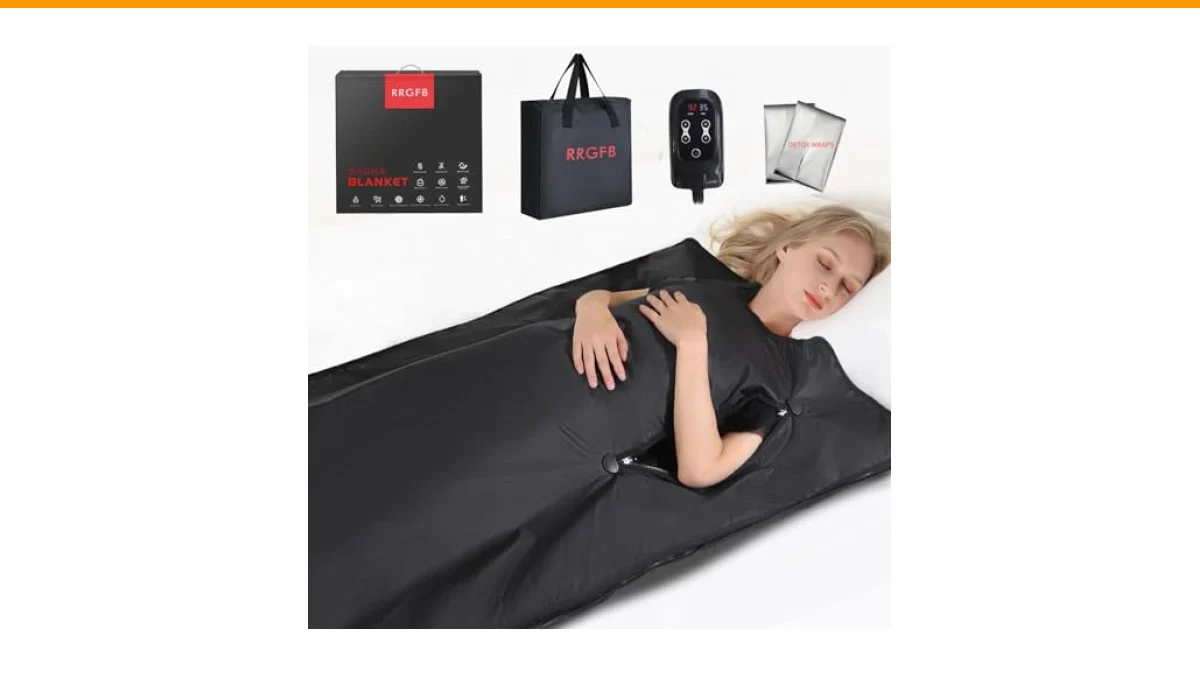
RRGFB
RRGFB Infrared Sauna Blanket for Home Detox, Portable, 6 ft x 2.6 ft | Low-EMF Waterproof Oxford fabric 1-60 min timer Overheat auto shut-off 5 wraps & bag
- Relaxation at Home: Transform your home into a relaxing spa with our sauna blanket. Just 30 minutes of use allows you to unwind an…
- Rejuvenating Sweat Experience: Support your daily wellness routine with a gentle, soothing sweat session. Regular use helps refres…
- Enhanced Blood Circulation: This infrared sauna blanket is designed to improve blood circulation, which can aid muscle recovery an…
If you’re looking for a convenient way to enjoy sauna benefits at home, consider the RRGFB Infrared Sauna Blanket. This portable sauna blanket allows for relaxation and a rejuvenating sweat experience without the need for a traditional sauna setup. It features adjustable settings for your comfort, making it a versatile addition to your wellness routine.
The Healing Process: What Happens to Your Body?
Understanding the healing process is crucial when determining if sauna use is safe with a healing wound or stitches. When your body sustains an injury, it goes through several stages of healing, typically classified as:
- Hemostasis: This initial phase occurs immediately after injury. Blood vessels constrict, and platelets form a clot to prevent blood loss.
- Inflammation: Within hours, the body sends white blood cells to the site to prevent infection and begin the healing process.
- Proliferation: This phase can last from a few days to several weeks, where new tissue forms, and the wound gradually closes.
- Maturation: The final phase can take months to years, where the new tissue strengthens and matures.
During these phases, particularly the inflammation and proliferation stages, the body is vulnerable. Applying heat in a sauna can increase blood flow, which is beneficial for healing in many situations. However, excessive heat can also exacerbate swelling or irritation.
Effects of Heat on Healing Wounds
Heat can impact healing wounds in several ways. Moderate heat can:
- Increase blood circulation, delivering more oxygen and nutrients to the healing area.
- Relax muscles around the wound, potentially reducing tension and discomfort.
- Promote sweating, which can help detoxify the body.
However, there are risks associated with sauna use during the healing process:
- Infection Risk: Open wounds or stitches may be more susceptible to infections in warm, moist environments.
- Increased Inflammation: Heat can sometimes worsen swelling or discomfort if applied too soon after an injury.
- Discomfort: The heat may cause irritation or pain in sensitive healing tissues.
Every wound is unique, so it’s essential to consider these factors before heading into a sauna.
Guidelines for Sauna Use with Healing Wounds
If you have a healing wound or stitches and are considering sauna use, follow these guidelines to ensure your safety:
- Consult Your Healthcare Provider: Always check with your doctor or surgeon before using a sauna after an injury. They can provide personalized advice based on your specific situation.
- Wait for Proper Healing: It’s generally advisable to wait until your stitches are removed and the wound has closed before exposing it to heat.
- Monitor Your Body: Pay attention to how your body reacts. If you feel discomfort, swelling, or increased pain, exit the sauna immediately.
- Use a Protective Barrier: If you must use a sauna with a healing area, consider using waterproof bandages or dressings to protect the wound.
Following these practices can help mitigate risks while allowing you to enjoy the relaxation a sauna can offer.
Comparative Analysis of Sauna Options
| Sauna Type | Temperature Range | Humidity Level | Healing Benefits |
|---|---|---|---|
| Traditional Sauna | 150°F – 195°F | Low humidity (10-20%) | Increased circulation; relaxation |
| Steam Room | 110°F – 120°F | High humidity (100%) | Moist heat may soothe soreness |
| Infrared Sauna | 120°F – 150°F | Low humidity | Deep tissue penetration, detoxification |
Choosing the right sauna type can make a difference in your experience while healing. Infrared saunas, for instance, may be gentler on your body, as they operate at lower temperatures.
Frequently Asked Questions
1. Can I use a sauna with a healing cut?
It’s best to avoid sauna use until the cut has fully healed and closed. Consult your healthcare provider for personalized advice based on your injury.
2. How long should I wait to use a sauna after stitches are removed?
Typically, waiting at least a week after stitches are removed is advisable, but this can vary based on the wound’s healing progress.
3. What are the signs I should not use a sauna?
Avoid sauna use if you experience increased pain, swelling, redness, or discharge from the wound. These are signs that you may be at risk of infection.
4. Are there benefits to using a sauna after a wound has healed?
Yes, once healed, sauna use can promote relaxation, improve circulation, and aid in muscle recovery.
5. Can I use a sauna with a bandage over a healing wound?
Using a sauna with a bandage can be safe, but ensure the bandage is waterproof and check for any signs of irritation or discomfort during use.
Final Thoughts on Sauna Safety
- Consult your healthcare provider before using a sauna with a healing wound.
- Wait until wounds are fully closed and stitches are removed.
- Monitor your body for signs of discomfort or infection.
- Consider less intense sauna options, like infrared saunas, for gentler heat.
- Use protective barriers when necessary to safeguard healing areas.
- Enjoy the relaxation benefits of saunas once fully healed.
- Stay informed about your body’s healing process and adjust sauna use accordingly.