
Introduction
Imagine coming home after a long day, looking forward to a comfortable evening. You settle on your couch, but the room feels too hot or too cold, ruining your plans for relaxation. Thermal comfort plays a critical role in how we experience our living spaces. It’s not just about temperature; it encompasses humidity, air movement, and even the materials in our surroundings.
This article will provide you with a thorough understanding of thermal comfort, its influencing factors, and practical tips to achieve it. You’ll walk away with the knowledge needed to create a more enjoyable environment in your home.
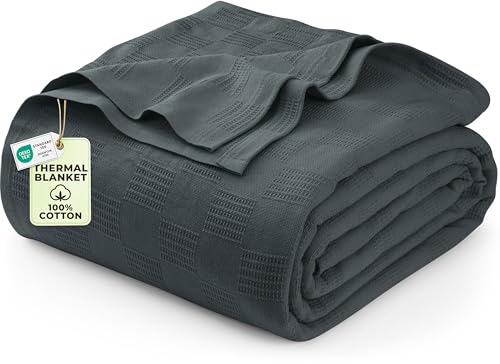
Utopia Bedding
Utopia Bedding 100% Cotton Thermal Blanket Smoke Gray Queen Size Soft, Lightweight, Breathable, Cozy Spring and Summer Blankets for Bed, Home Room Decor Gifts for Women and Men (90x90 Inches)
- Dobby Weave – An elegantly designed blanket that is tightly woven to hold all fibers together. It is flexibly constructed with a d…
- Soft and Breathable – Adorn yourself with this elegantly designed 90 x 90 Inches thermal blanket that allows breathability and com…
- Versatile Usage – Whether you drape it over your couch, spread it on your bed, keep it on the foot of your bed or store in the cup…
For those looking to enhance their comfort, consider the Utopia Bedding 100% Cotton Thermal Blanket. This thermal blanket is designed to be lightweight and breathable, making it an excellent choice to maintain comfort across different seasons.
What is Thermal Comfort?
Thermal comfort refers to the state of mind that expresses satisfaction with the surrounding thermal environment. Essentially, it’s about how comfortable you feel in terms of heat, humidity, and airflow. The American Society of Heating, Refrigerating and Air-Conditioning Engineers (ASHRAE) defines thermal comfort as a condition of mind that expresses satisfaction with the thermal environment.
Several factors influence thermal comfort:
- Air Temperature: The temperature of the air in your living space affects how warm or cool you feel.
- Radiant Temperature: This includes heat emitted from surfaces like walls, windows, and floors.
- Humidity: The amount of moisture in the air can significantly impact thermal comfort. High humidity can make temperatures feel warmer, while low humidity can make them feel colder.
- Air Velocity: Movement of air can enhance comfort by helping to evaporate perspiration.
Factors Affecting Thermal Comfort
Understanding the components of thermal comfort is essential for achieving the ideal living environment. Here’s a closer look at the factors:
1. Temperature
Ideal indoor temperatures typically range from 68°F to 72°F (20°C to 22°C) in winter and 73°F to 79°F (23°C to 26°C) in summer. However, personal preferences vary. Some people might prefer their spaces slightly cooler or warmer.
2. Humidity
Relative humidity levels between 30% and 60% are considered comfortable. High humidity can lead to discomfort, making temperatures feel higher than they are. Conversely, low humidity can cause skin and respiratory issues.
3. Air Movement
Air circulation plays a crucial role in comfort. Stagnant air can cause discomfort, while a gentle breeze can enhance the feeling of coolness. Fans or natural ventilation can help maintain a comfortable airflow.
4. Clothing Insulation
Your clothing choice affects thermal comfort as well. Heavier fabrics trap heat, while lighter materials allow for better airflow. Dressing appropriately for the season can significantly improve your comfort level.
Comparison of Methods to Achieve Thermal Comfort
| Method | Advantages | Disadvantages |
|---|---|---|
| Air Conditioning | Effective in controlling temperature and humidity | Higher energy consumption and costs |
| Heating Systems (e.g., radiators) | Provides consistent warmth | Can lead to dry air and uneven heating |
| Natural Ventilation | Energy-efficient and enhances air quality | Weather dependent and may not be effective in extreme conditions |
| Thermal Blankets (e.g., Utopia Bedding) | Lightweight, breathable, and versatile | May not provide enough warmth in very cold conditions |
Frequently Asked Questions
What is the ideal temperature for thermal comfort?
The ideal indoor temperature for thermal comfort typically falls between 68°F and 72°F (20°C to 22°C) during winter and 73°F to 79°F (23°C to 26°C) during summer. However, personal preferences may cause variations.
How does humidity affect thermal comfort?
Humidity greatly influences comfort levels. High humidity makes it feel warmer, while low humidity can make temperatures feel cooler. Maintaining humidity levels between 30% and 60% is ideal.
Can clothing impact thermal comfort?
Yes, the insulation provided by clothing affects how warm or cool you feel. Opting for lighter fabrics in warm weather and heavier materials in colder conditions can enhance thermal comfort.
What are some ways to improve thermal comfort?
Improving thermal comfort can be achieved through effective temperature control, maintaining proper humidity levels, ensuring good air circulation, and dressing appropriately for the conditions.
Are thermal blankets effective?
Yes, thermal blankets, like the Utopia Bedding thermal blanket, can improve comfort by providing an additional layer of insulation while remaining breathable. They are suitable for various seasons.
Takeaways for Achieving Thermal Comfort
- Maintain indoor temperatures between 68°F and 72°F in winter and 73°F to 79°F in summer.
- Keep humidity levels between 30% and 60% for optimal comfort.
- Ensure air circulation with fans or natural ventilation.
- Choose appropriate clothing based on the season to enhance thermal comfort.
- Consider using thermal blankets for added comfort throughout the year.
- Regularly monitor indoor conditions to make necessary adjustments.
- Experiment with different methods to find what works best for your specific environment.



