 Ceramic Vs Oil Heater – Which Saves More Money & Heat?Watch on YouTube
Introduction to Tower and Ceramic Heaters
As winter approaches, many people start to feel the chill in their homes. The thought of cranking up the central heating can lead to high energy bills, prompting a search for alternative heating solutions. Two popular options are tower heaters and ceramic heaters. Each type has its own set of features, benefits, and drawbacks. Understanding these differences can help you make an informed decision that matches your heating needs.
This article provides a comprehensive comparison of tower heaters and ceramic heaters. You’ll learn about their heating mechanisms, energy efficiency, safety features, and more. By the end, you’ll know which heater might be the best fit for your space and lifestyle.

Lasko
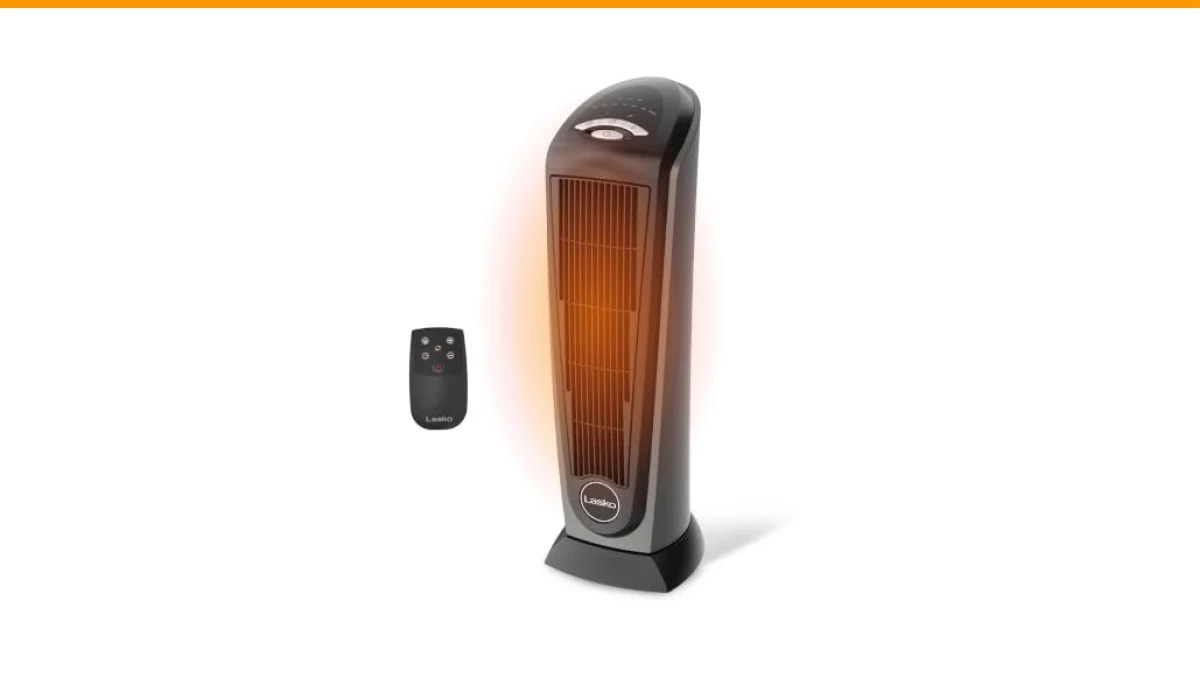
Lasko 23" Ceramic Tower Space Heater with Remote Control - Silver - 751320 | 1500W, Widespread Oscillation, 2 Heat Settings, Portable Tower Heater for Indoor Use and Office, Timer, Overheat Protection
- POWERFUL ELECTRIC SPACE HEATER: Trade the extra layers for real warmth. 1500W of quiet ceramic heat and wide oscillation cover med…
- ETL CERTIFIED: Relax while it runs. A self-regulating ceramic element, overheat protection, and cool-touch housing make this ETL-l…
- CUSTOMIZE YOUR COMFORT: The remote control handles heat settings, oscillation, and a timer—no need to leave the couch or bed. A 7-…
A good example of a reliable option is the Lasko 23″ Ceramic Tower Space Heater. It combines powerful heating capabilities with user-friendly features like remote control and oscillation, making it a solid choice for those looking for a balance between convenience and efficiency.
What is a Tower Heater?
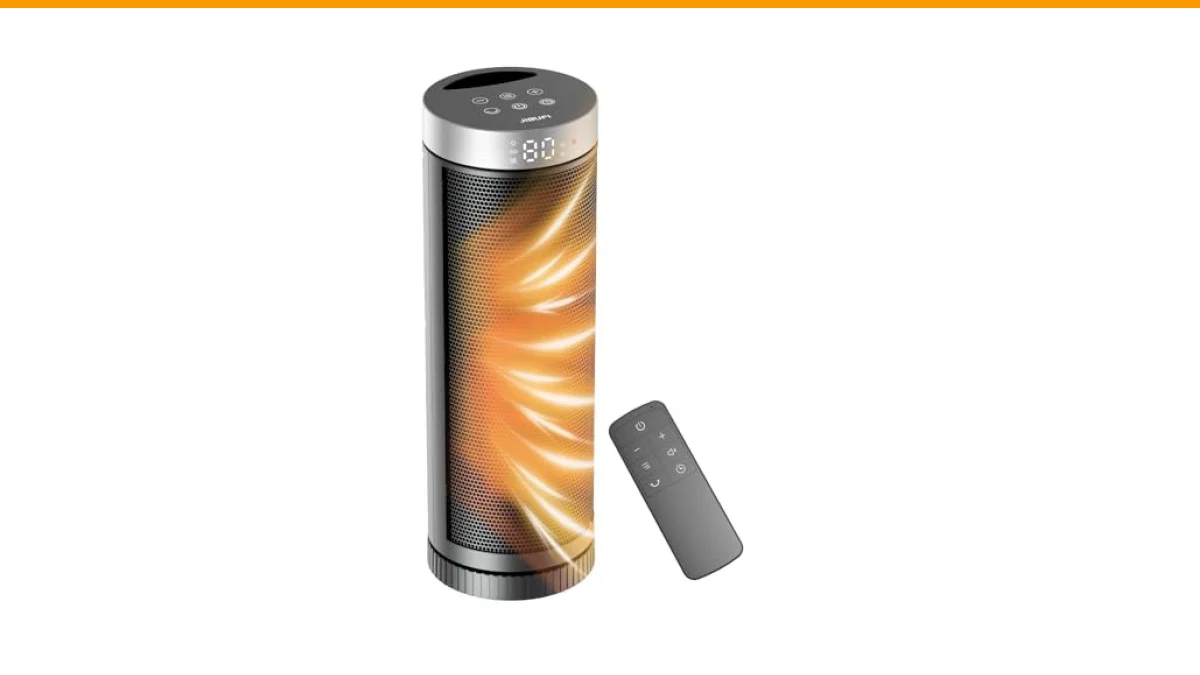
A tower heater is a type of portable space heater characterized by its tall, slim design. These heaters are designed to disperse heat across a wider area, often featuring oscillation to help circulate warm air more effectively. Tower heaters typically use ceramic heating elements or fan-forced convection to generate warmth.
They are particularly popular in medium to large rooms, as their design allows for better distribution of heat without taking up excessive floor space. Many models come equipped with features like programmable timers, remote controls, and multiple heat settings to cater to different user preferences.
What is a Ceramic Heater?
Ceramic heaters utilize ceramic heating elements to produce heat. These heaters work by passing electricity through ceramic plates, which then radiate warmth. This type of heater is often compact and portable, making it suitable for smaller spaces like bedrooms, offices, or even bathrooms.
Ceramic heaters are known for their quick heating capability. They can reach their desired temperature almost immediately, providing instant warmth when needed. Additionally, many ceramic heaters come with safety features such as tip-over protection and overheat shutoff to ensure safe operation.
Key Differences Between Tower and Ceramic Heaters
Heating Mechanism
The primary distinction between tower heaters and ceramic heaters lies in their heating mechanisms. Tower heaters often feature a fan-forced convection system that spreads heat throughout the room. In contrast, ceramic heaters primarily rely on radiant heating, which warms objects and people in the vicinity rather than the air itself. This means ceramic heaters can provide quicker warmth in smaller spaces.
Energy Efficiency
Energy efficiency is a crucial factor when choosing a heater. Tower heaters typically consume more power due to their larger size and fan operation. Most tower heaters operate at 1500 watts, while smaller ceramic heaters can range from 750 to 1500 watts depending on the setting. If you’re considering long-term energy costs, a ceramic heater might be the more economical option for smaller areas, as it heats quickly and can maintain warmth efficiently.
Cost Analysis
When comparing costs, it’s essential to consider both the initial purchase price and ongoing energy expenses. Tower heaters tend to be more expensive upfront due to their advanced features and larger size. However, they can effectively heat larger spaces, which may justify the expense if you need a heater for a big room. Ceramic heaters are generally more affordable and can be cost-effective for heating small rooms due to their energy-efficient operation.
Safety Features
Safety is paramount in any heating appliance. Most tower heaters include safety certifications, such as ETL or UL listings, ensuring they meet safety standards. Features like tip-over protection and overheat shutoff are commonly included. Ceramic heaters also boast similar safety features but might lack some advanced options found in tower heaters. Always check for safety certifications to ensure your chosen heater operates safely, especially in homes with children or pets.
Pros and Cons of Tower Heaters
Understanding the advantages and disadvantages of tower heaters can help you determine if they fit your needs.
- Pros:
- Effective for large spaces due to wide heating range.
- Often equipped with advanced features like oscillation and timers.
- Stylish design can complement home decor.
- Cons:
- Higher energy consumption compared to ceramic heaters.
- Can be bulky and take up more floor space.
- Potentially higher cost for initial purchase.
Pros and Cons of Ceramic Heaters
Ceramic heaters also have their own set of strengths and weaknesses.
- Pros:
- Quick heating capability, ideal for small to medium rooms.
- Generally more energy-efficient, leading to lower electricity bills.
- Compact and portable design for easy movement.
- Cons:
- Limited heating range, not ideal for large spaces.
- May require more frequent adjustment for optimal comfort.
- Some models may lack advanced features found in tower heaters.
How to Choose the Right Heater for Your Needs
Selecting the right heater involves considering several factors:
- Room Size: For larger spaces, a tower heater may be more effective, while ceramic heaters are better suited for smaller areas.
- Heating Speed: If you need immediate warmth, ceramic heaters typically warm up faster.
- Features: Consider whether you want advanced features like remote control and timers, often found in tower heaters.
- Budget: Factor in both initial costs and potential energy expenses.
User Testimonials and Reviews
User feedback can provide valuable insights into the performance of both tower and ceramic heaters. Many users appreciate the convenience of tower heaters, especially for their ability to heat larger rooms quickly. Reviewers often highlight the Lasko 23″ Ceramic Tower Space Heater for its effectiveness and ease of use.
On the other hand, ceramic heater users frequently praise their compact design and energy efficiency. Many find them ideal for personal spaces like home offices or bedrooms, where quick heat is essential. For instance, users of the Lasko 1500W Ceramic Tower Space Heater commend its portability and safety features.
Environmental Considerations
When evaluating heating options, consider their environmental impact. The production and disposal of heaters contribute to their overall ecological footprint. Ceramic heaters tend to have a smaller environmental impact due to their energy-efficient nature, reducing electricity consumption over time.
Moreover, when selecting a heater, consider those with energy certifications. Look for models that use sustainable materials and have energy-efficient designs, as these can further minimize your environmental impact. Both the tower and ceramic heater markets are increasingly leaning towards eco-friendly options.
Final Thoughts: Which Heater is Right for You?
Choosing between a tower heater and a ceramic heater ultimately depends on your specific needs and circumstances:
- For larger spaces requiring effective heating, consider a tower heater.
- If you’re looking for quick warmth in smaller areas, a ceramic heater is likely a better fit.
- Evaluate energy efficiency and safety features based on your home environment.
- Weigh the long-term costs against initial investments.
Each type of heater has its strengths and weaknesses, so it’s essential to assess your priorities carefully. Both options offer reliable heating solutions, but understanding their differences will help you make a more informed decision.