Infrared Vs Ceramic Heater: Which Warms Better This Winter?Watch on YouTube
Introduction to Tower and Ceramic Heaters
Winter can be harsh, leaving many of us scrambling for effective heating solutions. If you find yourself bundling up in layers or relying on a central heating system that fails to warm every corner of your home, you might want to consider portable space heaters. Two popular options are tower heaters and ceramic heaters. Each type offers distinct advantages and caters to different heating needs.
This article will help you understand the differences between tower heaters and ceramic heaters. You’ll learn about their heating mechanisms, energy efficiency, safety features, and more. Whether you’re looking to warm a small office or a cozy living room, you’ll walk away with the knowledge needed to choose the right heater for your situation.

Lasko
Lasko 23" Ceramic Tower Space Heater with Remote Control - Silver - 751320 | 1500W, Widespread Oscillation, 2 Heat Settings, Portable Tower Heater for Indoor Use and Office, Timer, Overheat Protection
- POWERFUL ELECTRIC SPACE HEATER: Trade the extra layers for real warmth. 1500W of quiet ceramic heat and wide oscillation cover med…
- ETL CERTIFIED: Relax while it runs. A self-regulating ceramic element, overheat protection, and cool-touch housing make this ETL-l…
- CUSTOMIZE YOUR COMFORT: The remote control handles heat settings, oscillation, and a timer—no need to leave the couch or bed. A 7-…
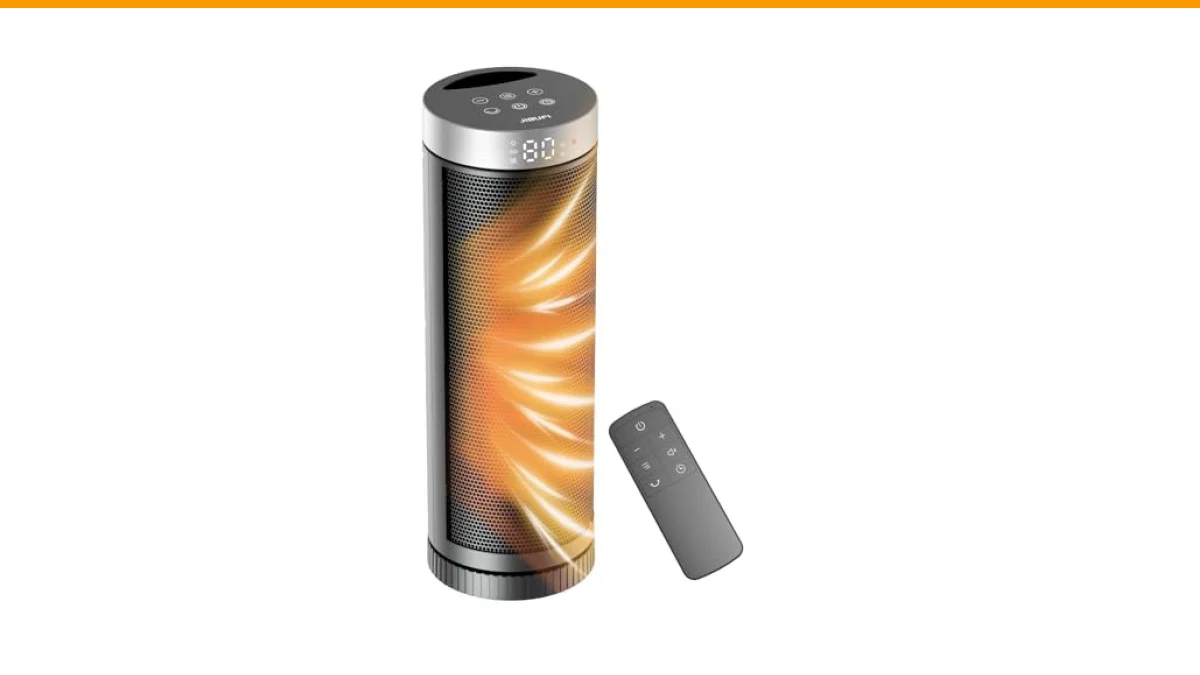
For instance, the Lasko 23″ Ceramic Tower Space Heater is an excellent example of a tower heater. Featuring a remote control, widespread oscillation, and multiple heat settings, it’s designed for convenience and effectiveness in medium-sized rooms.
What is a Tower Heater?
A tower heater is a type of space heater characterized by its vertical design. This allows for a narrow footprint while maximizing the heating area. Tower heaters often feature oscillation, which helps distribute heat evenly throughout a room.
These heaters typically use convection heating, which warms the air around the unit. The heated air then rises, creating a cycle that gradually warms the room. Many tower heaters come equipped with additional features like digital thermostats, timers, and remote controls for added convenience. Their sleek designs also make them visually appealing for home or office use.
What is a Ceramic Heater?
Ceramic heaters use ceramic heating elements to produce warmth. They operate by passing electricity through ceramic plates that heat up quickly. This type of heater is known for its ability to provide instant heat, making it ideal for quick warming situations.
Unlike tower heaters, ceramic heaters can come in various shapes and sizes, including compact models suitable for small spaces. They also tend to have high energy efficiency, which can lead to lower electricity bills. Many ceramic heaters include built-in safety features, such as tip-over protection and overheat shut-off, making them a safe option for home use.
Key Differences Between Tower and Ceramic Heaters
Heating Mechanism
The heating mechanism is one of the most significant differences between tower heaters and ceramic heaters. Tower heaters primarily use convection heating, while ceramic heaters rely on direct heat from ceramic plates. This difference affects how quickly each type can warm a room.
Energy Efficiency
Energy efficiency often depends on the specific model and usage. Generally, ceramic heaters are known for their energy efficiency due to the rapid heating capabilities of ceramic elements. Tower heaters, while also efficient, may take longer to warm up a space because they rely on circulating air. According to user reports, the right ceramic heater can use less power to maintain warmth in smaller rooms compared to tower options.
Cost Analysis
When considering cost, both types of heaters typically fall within similar price ranges; however, operational costs can vary. Ceramic heaters tend to have lower energy bills due to their quick heating, while tower heaters might use more electricity to maintain warmth over time. Over several months, using a ceramic heater could save you money on electricity, especially in smaller spaces.
Safety Features
Safety is crucial when choosing a heater. Most manufacturers equip both tower and ceramic heaters with safety features like tip-over protection and overheat shut-off. However, tower heaters often have additional safety certifications, such as ETL or UL listings, ensuring they meet specific safety standards. The Lasko model mentioned earlier is ETL certified, adding peace of mind for families with pets or children.
Pros and Cons of Tower Heaters
Pros
- Sleek design fits well in various spaces.
- Widespread oscillation for even heating.
- Often includes remote control for convenience.
- Typically quieter than other heater types.
Cons
- May take longer to heat a room compared to ceramic heaters.
- Can be less energy efficient in smaller spaces.
- Some models may be bulkier or heavier.
Pros and Cons of Ceramic Heaters
Pros
- Fast heating capabilities.
- High energy efficiency, leading to lower operational costs.
- Compact designs for easy portability.
- Generally equipped with safety features.
Cons
- Heat distribution may be less effective in larger rooms.
- Some models can be noisier than tower heaters.
- Limited oscillation options in some designs.
How to Choose the Right Heater for Your Needs
Selecting the right heater involves considering a few key factors:
- Room Size: Assess the size of the room. Tower heaters may perform better in larger spaces, while ceramic heaters excel in smaller areas.
- Heating Speed: If you need immediate warmth, ceramic heaters are your best bet.
- Portability: Think about where you might move the heater. Smaller, lighter ceramic heaters are easier to transport.
- Safety Features: Look for heaters with safety certifications, especially if you have kids or pets.
User Testimonials and Reviews
User experiences provide valuable insight into the performance of these heaters. Many users appreciate the immediate warmth from ceramic heaters, especially in small rooms or during quick cold snaps. However, some have noted that tower heaters offer a more pleasant and even heating experience for larger spaces.
For example, one user of the Lasko 23″ Ceramic Tower Space Heater praised its oscillation feature, stating it effectively warmed their living room without leaving any cold spots. Another user highlighted the efficiency of a ceramic heater, mentioning it significantly reduced their heating bills during the winter months.
Environmental Considerations
When evaluating heaters, consider the environmental impact of manufacturing and disposing of these products. Ceramic heaters often use materials that can have a lower carbon footprint compared to those used in tower heaters. Additionally, the energy efficiency of ceramic heaters can lead to reduced energy consumption over time, lowering your overall environmental impact during use.
Proper disposal is crucial. Many heaters, whether ceramic or tower, contain elements that should not go into regular trash. Always check local guidelines for disposing of electrical appliances responsibly.
Closing Thoughts: Which Heater is Right for You?
- Assess the size of the area you want to heat.
- Consider how quickly you need warmth; ceramic heaters provide instant heat.
- Evaluate energy costs over time; ceramic heaters often save money.
- Look for safety certifications, especially if children or pets are present.
- Think about the aesthetic; tower heaters often have a more modern look.
- Read user reviews for real-world insights on performance.
- Factor in portability; some models are easier to move than others.