Introduction
As the chill of winter sets in, many homeowners face the dilemma of how to keep their living spaces warm without breaking the bank. Conventional heating systems can be costly to operate, prompting a search for more efficient alternatives. Gas space heaters are an increasingly popular solution, offering a range of options suitable for different needs and spaces.
This article will provide a comprehensive overview of the different types of gas space heaters, helping you understand their features, benefits, and considerations for use. You’ll walk away equipped with the knowledge necessary to select the right heater for your space.
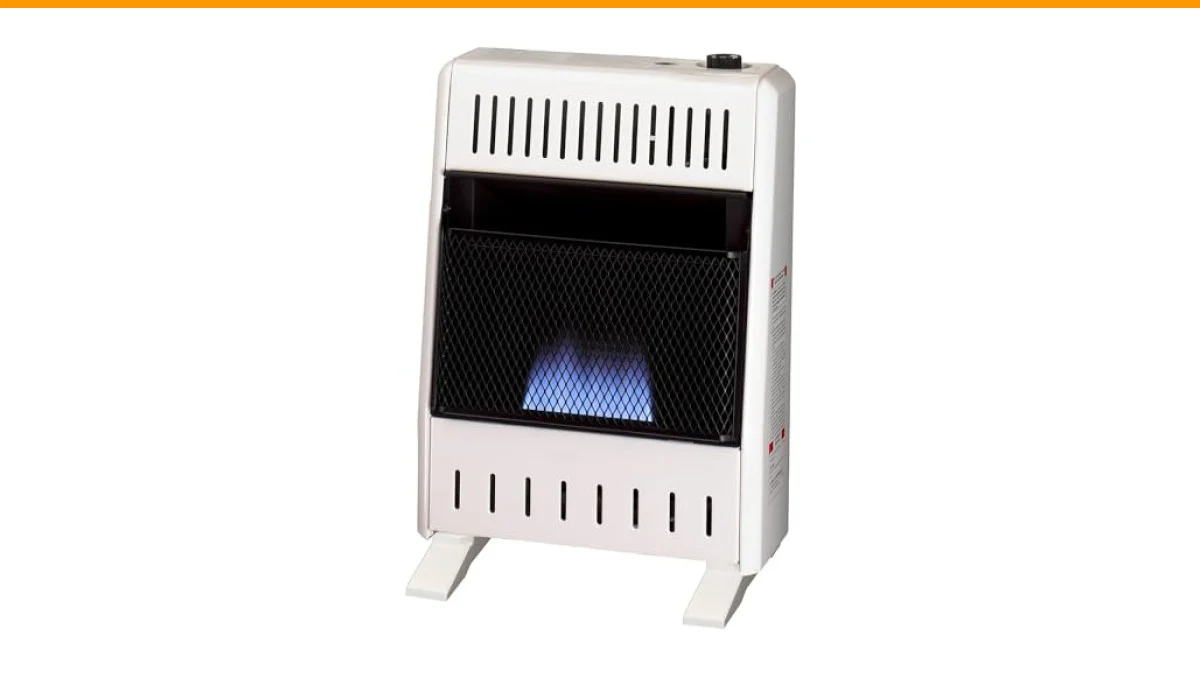
One notable option is the ProCom Heating Natural Gas Ventless Blue Flame Heater, which provides effective heating in a compact design. With a maximum output of 10,000 BTUs, it can efficiently warm spaces up to 500 square feet, making it a versatile choice for various rooms in your home.
Types of Gas Space Heaters
Gas space heaters typically fall into three main categories: vented, ventless, and catalytic heaters. Each type has its unique characteristics, advantages, and potential drawbacks. Here’s a closer look at each.
Vented Gas Heaters
Vented gas heaters require a flue or chimney to expel combustion gases outside. They are often considered safer because they effectively remove harmful byproducts of combustion. Common types include:
- Wall-mounted units: These save floor space and are ideal for smaller rooms.
- Fireplace inserts: Designed to fit into existing fireplaces, enhancing both efficiency and aesthetics.
Vented heaters provide excellent heating capabilities, ideal for larger spaces, but installation can be more complex and costly due to the need for venting.
Ventless Gas Heaters
Ventless gas heaters, such as the ProCom model mentioned earlier, operate without a flue or ducting. They are designed to burn gas efficiently and release minimal emissions. Key benefits include:
- Easy installation: They can be placed anywhere in a room as they don’t require venting.
- Cost-effective: Typically lower upfront and installation costs.
However, users should be mindful of proper ventilation in the area where the heater is used. A built-in oxygen depletion sensor, like the one in the ProCom heater, improves safety by shutting off the unit if oxygen levels drop too low.
Catalytic Gas Heaters
Catalytic gas heaters use a chemical reaction to produce heat, making them extremely efficient and low in emissions. They are particularly suited for:
- Outdoor use: Ideal for patios or workshops where traditional heaters may not be suitable.
- Portable heating: Many models are lightweight and easy to transport.
While these heaters are efficient, they may not be suitable for indoor use without proper ventilation due to potential emissions.
Comparison of Gas Space Heaters
| Type | Venting Requirement | Heating Area (sq. ft.) | Installation Complexity | Cost |
|---|---|---|---|---|
| Vented | Requires flue/chimney | Up to 1000 | High | Higher |
| Ventless | No venting required | Up to 500 | Low | Lower |
| Catalytic | No venting required | Varies | Medium | Medium |
Frequently Asked Questions
1. How do I choose the right size gas space heater for my room?
To determine the appropriate size, consider the room’s square footage and the heater’s BTU output. A general rule of thumb is to allow 20 BTUs per square foot of heated space. For example, a 500 sq. ft. room would require a heater with an output of around 10,000 BTUs.
2. Are ventless gas heaters safe?
When used properly, ventless gas heaters can be safe. Look for models with built-in safety features, like oxygen depletion sensors. Always ensure adequate ventilation in the room.
3. Can I use a gas space heater as my primary heating source?
While gas space heaters can supplement your primary heating system, they may not be suitable as the sole heating source for larger homes. Consider your specific heating needs and consult with a professional if unsure.
4. How often should I service my gas space heater?
It’s recommended to have your gas space heater serviced annually, especially if it’s used frequently. Regular maintenance ensures optimal performance and safety.
5. Can I install a gas space heater myself?
Installation complexity varies by type. Ventless models are generally easier to install and may not require professional help. However, vented heaters usually need professional installation due to venting requirements.
Closing Thoughts
- Understand the three main types of gas space heaters: vented, ventless, and catalytic.
- Consider the heating area and BTU output when selecting a heater.
- Check for safety features, especially in ventless models.
- Annual maintenance is crucial for safety and efficiency.
- Consult a professional for vented heater installations.
- Evaluate your specific heating needs before making a purchase.
- Explore options like the ProCom Natural Gas Ventless Heater for effective, compact heating solutions.




