Introduction
Imagine a chilly evening where you rely on your vent-free heater to create a warm sanctuary indoors. As the heater hums to life, you might catch a whiff of something unpleasant. That odor could be soot, a byproduct of incomplete combustion. Many homeowners face this situation, often without realizing the implications or how to manage it effectively.
This article aims to provide clarity on vent-free heater soot, its causes, and practical solutions to minimize its occurrence. You’ll also learn about the Mr. Heater 30,000 BTU Vent Free Blue Flame Natural Gas Heater, a reliable choice that balances performance and efficiency.

Mr. Heater
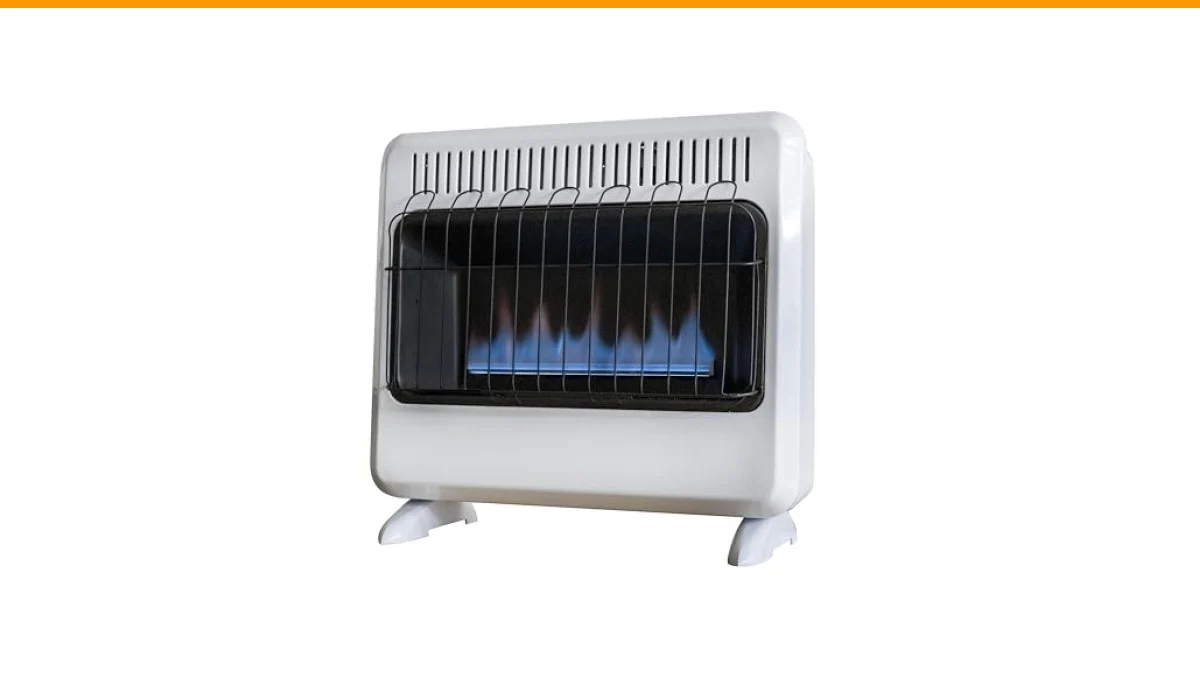
Mr. Heater 30,000 BTU Vent Free Blue Flame Natural Gas Heater
- Emits 30,000 BTU/hr
- Heats up to 1,000 square feet
- Battery operated electronic ignition (battery included)
The Mr. Heater model heats up to 1,000 square feet and includes a built-in adjustable thermostat and battery-operated ignition. It operates without electricity, making it a solid option for those looking for dependable heating without the hassle of venting.
What Causes Soot in Vent-Free Heaters?
Soot forms when fuel doesn’t burn completely, and several factors can contribute to this issue in vent-free heaters. Here are some common causes:
- Improper Installation: If a heater is not installed according to the manufacturer’s specifications, it may lead to inefficient combustion, resulting in soot.
- Fuel Quality: Using low-quality fuel can lead to incomplete combustion and increased soot production. Ensure you’re using the right type of gas, whether natural or propane.
- Insufficient Air Supply: Vent-free heaters require adequate air for combustion. If a room is too airtight, the heater may not get enough oxygen, causing soot to form.
- Faulty Components: Malfunctioning parts, such as burners or thermocouples, can disrupt the combustion process, leading to soot buildup.
How to Prevent Soot Buildup
Preventing soot buildup in your vent-free heater is crucial for maintaining a clean and efficient heating system. Here are some effective strategies:
- Regular Maintenance: Schedule annual inspections with a qualified technician. They can clean components and ensure everything functions properly.
- Monitor Air Supply: Make sure your space has proper ventilation. Open windows periodically or use fans to circulate air, especially when using the heater.
- Use Quality Fuel: Invest in high-quality gas to ensure efficient combustion. Check with your fuel supplier to confirm you’re using the right type.
- Follow Manufacturer Guidelines: Always adhere to installation and operating instructions provided by the manufacturer to minimize risks.
Common Misconceptions About Vent-Free Heater Soot
Myth: Soot is Inevitable with Vent-Free Heaters
Many people believe soot is a natural byproduct of all vent-free heaters, but this isn’t entirely true. While some soot can occur, especially without proper maintenance, it’s not a given. With regular care and correct usage, you can significantly reduce or even eliminate soot issues.
Myth: More BTUs Mean More Soot
Another common misconception is that a higher BTU rating directly correlates with increased soot production. In reality, soot depends on combustion efficiency. A well-designed heater with a higher BTU rating can burn fuel more completely, potentially resulting in less soot than a poorly designed lower BTU unit.
Comparison of Vent-Free Heater Options
| Model | BTU Output | Coverage Area | Features |
|---|---|---|---|
| Mr. Heater 30,000 BTU | 30,000 BTU/hr | Up to 1,000 sq. ft. | Battery ignition, adjustable thermostat |
| ProCom 10,000 BTU | 10,000 BTU/hr | Up to 300 sq. ft. | Remote control, safety shut-off |
| Duraflame Infrared Heater | 5,200 BTU/hr | Up to 1,000 sq. ft. | Infrared technology, portable |
Frequently Asked Questions
What should I do if I notice soot in my vent-free heater?
First, turn off the heater and allow it to cool down. Clean any visible soot and check the air supply. If the issue persists, consult a professional for maintenance.
Can I use vent-free heaters in all rooms?
No, vent-free heaters are not recommended for bedrooms or small, enclosed spaces due to the risk of oxygen depletion. Always follow local codes and recommendations.
How often should I service my vent-free heater?
Annual service is recommended. A qualified technician can inspect and clean the unit, ensuring it operates efficiently.
Is soot harmful to my health?
Soot can be harmful if inhaled over time, leading to respiratory issues. Regular maintenance helps minimize this risk.
Can I use a vent-free heater in a power outage?
Yes, many vent-free heaters operate without electricity, making them a reliable heating source during outages.
Takeaways for Keeping Your Vent-Free Heater Soot-Free
- Regularly maintain your heater to ensure efficient combustion.
- Use high-quality fuel for optimal performance.
- Ensure proper room ventilation to support combustion.
- Follow the manufacturer’s installation guidelines carefully.
- Address any signs of soot buildup immediately.
- Consider a reliable option like the Mr. Heater 30,000 BTU model for efficient heating.
- Stay informed about local regulations regarding vent-free heaters.



