Introduction
Imagine it’s a chilly winter evening. You settle into your living room, but the cold air makes it hard to relax. Traditional heating systems can be expensive and require complex installation. That’s where vent-free heaters come into play, offering a cost-effective and efficient way to heat your space without the need for extensive ductwork.
This article will explain how vent-free heaters work, their benefits, and address common misconceptions. By the end, you’ll understand the mechanics behind these systems and whether they’re the right choice for your needs.

Mr. Heater
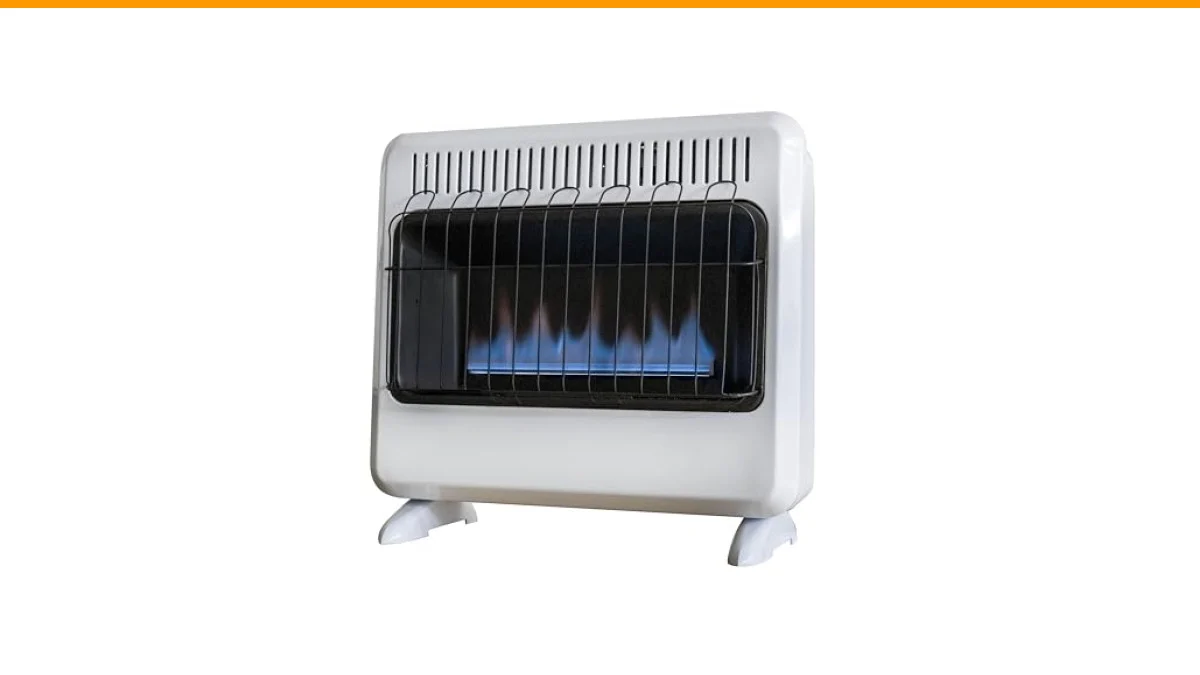
Mr. Heater 30,000 BTU Vent Free Blue Flame Natural Gas Heater
- Emits 30,000 BTU/hr
- Heats up to 1,000 square feet
- Battery operated electronic ignition (battery included)
The Mr. Heater 30,000 BTU Vent Free Blue Flame Natural Gas Heater exemplifies this technology. With the ability to heat up to 1,000 square feet, it’s designed for efficiency and ease of use, making it a solid option for anyone considering vent-free heating.
How Vent-Free Heaters Operate
Vent-free heaters operate on a simple principle. They utilize a combustion process that converts fuel (like natural gas or propane) into heat without requiring a vent or chimney. This design allows for efficient heat transfer directly into the living space. Here’s a closer look at the process:
- Fuel Source: Vent-free heaters typically run on natural gas or propane. The fuel is ignited within the unit.
- Combustion: The combustion process produces heat. Unlike traditional systems, vent-free units do not vent exhaust gases outside.
- Heat Distribution: The heater radiates warmth directly into the room, often using a blue flame or infrared heating technology.
This method allows these heaters to be highly efficient, with efficiency ratings often exceeding 99%. However, it’s crucial to use them in well-ventilated areas to ensure proper air quality.
Benefits of Vent-Free Heating
Vent-free heaters come with several advantages, making them appealing for many homeowners:
- Cost-Effective: Reduced installation costs since they don’t require ductwork.
- Quick Heating: They can heat a space rapidly, making them ideal for supplemental heating.
- Space-Saving: The compact design can fit in smaller areas where traditional heaters might not.
However, it’s worth noting that while they are efficient, these heaters can impact indoor air quality if not used properly. Always follow the manufacturer’s guidelines.
Common Misconceptions About Vent-Free Heaters
Myth: Vent-Free Heaters Are Unsafe
Many people fear that vent-free heaters pose a safety risk due to the lack of ventilation. While it’s true that improper use can lead to issues, when installed and maintained correctly, they are safe. Regular checks and ensuring proper operation can mitigate most safety concerns.
Myth: Higher BTU Means Better Heating
Some believe that a higher BTU (British Thermal Unit) rating automatically translates to better heating. While a higher BTU can heat larger spaces, it is essential to match the heater’s capacity to your room size for optimal performance. An oversized unit can cause rapid temperature fluctuations and increased energy costs.
Comparative Table of Vent-Free Heater Features
| Model | BTU Output | Heating Area | Ignition Type | Thermostat Included |
|---|---|---|---|---|
| Mr. Heater 30,000 BTU Blue Flame | 30,000 BTU/hr | Up to 1,000 sq ft | Battery operated | Yes |
| ProCom 25,000 BTU Infrared | 25,000 BTU/hr | Up to 750 sq ft | Piezo ignition | No |
| Dyna-Glo 30,000 BTU Vent-Free | 30,000 BTU/hr | Up to 1,000 sq ft | Manual ignition | Yes |
Frequently Asked Questions
Do vent-free heaters require electricity to operate?
No, many vent-free heaters, like the Mr. Heater model, operate without electricity, making them useful during power outages.
Can I use a vent-free heater in a bedroom?
Yes, vent-free heaters can be used in bedrooms, but ensure proper ventilation. Follow local codes and manufacturer guidelines for safety.
How often should I maintain my vent-free heater?
Regular maintenance should be performed annually. This includes checking for gas leaks, cleaning the unit, and ensuring proper operation.
Are there any restrictions on where I can install a vent-free heater?
Yes, local building codes may have specific requirements regarding installation locations. Always check local regulations and follow safety guidelines.
How long can a vent-free heater run continuously?
Most vent-free heaters can run continuously for several hours, but it’s wise to turn them off periodically to ensure air quality and safety.
Final Thoughts
- Vent-free heaters operate efficiently without the need for ducts.
- They can save on installation costs and heat spaces quickly.
- Proper maintenance and ventilation are crucial for safety.
- Higher BTU ratings don’t always mean better heating; match the heater to your space.
- Understanding common myths can help you make informed choices.
- Consider products like the Mr. Heater for effective heating solutions.
- Always check local codes and regulations before installation.



