Imagine it’s a chilly winter evening. You’re at home, bundled up in layers, trying to keep warm. The heater is running, but it feels like an uphill battle against the cold. How much heating power do you really need to make your space comfortable? If you’re wondering how many watts are necessary to heat a 300 sq ft room, you’re in the right place.
This article will break down the wattage required for heating a space of this size, explain factors that influence heating needs, and provide practical tips for selecting the right heater. You’ll walk away with a clear understanding of how to create a cozy atmosphere without wasting energy.
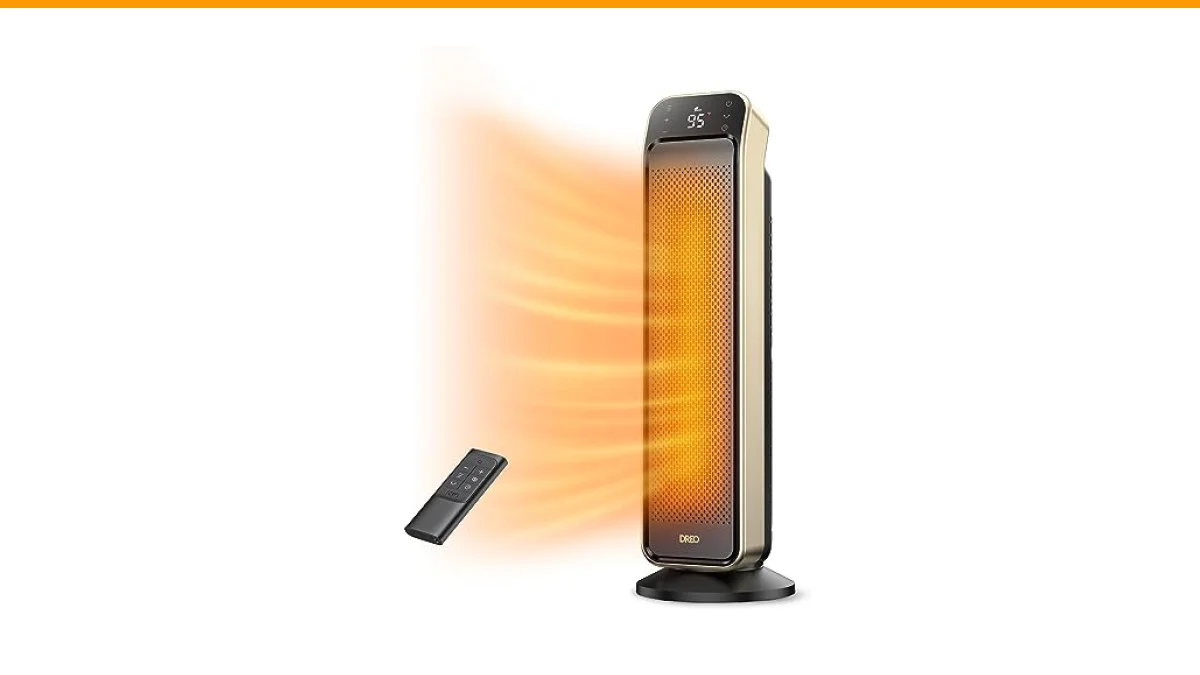
For those looking for an efficient heating solution, consider the DREO 25 Inch Electric Space Heater. Its fast heating capabilities make it suitable for larger spaces, while its quiet operation ensures you can enjoy warmth without disturbance.
How to Calculate Watts Needed for Heating
Determining the watts needed to heat a 300 sq ft room involves a few calculations. The general rule of thumb is about 10 watts per square foot. For a 300 sq ft space, this translates to roughly 3,000 watts. However, several factors can affect this estimate:
- Insulation: Well-insulated homes retain heat better, potentially lowering wattage needs.
- Climate: Colder regions require more wattage compared to milder areas.
- Ceiling Height: Standard calculations assume an 8-foot ceiling; higher ceilings may require additional power.
- Heat Loss: Drafty windows and doors can increase heating requirements.
For instance, if your room has poor insulation or is in an extremely cold area, you might need closer to 15 watts per square foot, raising your requirement to 4,500 watts. Adjusting for these factors is essential to ensure optimal heating.
Choosing the Right Heater
Once you know how many watts are needed, selecting the right heater becomes crucial. Here are a few popular options based on their wattage capabilities:
| Heater Type | Wattage Range | Best For |
|---|---|---|
| Electric Space Heater | 750 – 1,500 watts | Small to medium rooms |
| Infrared Heater | 1,000 – 1,500 watts | Direct heating for larger spaces |
| Baseboard Heater | 500 – 2,000 watts | Consistent heat along walls |
| Wall-Mounted Heater | 1,000 – 2,000 watts | Space-saving solutions |
For heating a 300 sq ft room, an electric space heater like the DREO model mentioned earlier can effectively provide adequate warmth, especially with its oscillation feature that circulates heat efficiently.
Additional Considerations for Heating Efficiency
Aside from wattage, consider these tips for maximizing heating efficiency:
- Thermostat Control: Use heaters with thermostats to maintain consistent temperatures.
- Regular Maintenance: Clean and maintain heaters to ensure they operate efficiently.
- Zone Heating: Heat only the rooms you use to save on energy costs.
These practices can significantly reduce your overall energy consumption while keeping your space warm.
Frequently Asked Questions
How do I know if my room is well-insulated?
A quick test involves checking for drafts around windows and doors. You can also look for gaps in walls or ceilings. If you feel cold air coming in, your insulation may need improvement.
Can I use multiple heaters in a room?
Yes, if the total wattage doesn’t exceed the circuit’s capacity. Make sure to use heaters with appropriate safety certifications to avoid fire hazards.
What is the most energy-efficient type of heater?
Infrared heaters are often considered more energy-efficient as they directly warm objects and people rather than the air, reducing energy loss.
How long does it take for a heater to warm a room?
This depends on the heater’s wattage and the room’s insulation. A typical electric space heater can take anywhere from 20 to 45 minutes to warm up a 300 sq ft room.
Should I leave my heater on overnight?
It’s generally safer to turn off heaters overnight or use a model with an automatic shut-off feature. Always prioritize safety in your heating solutions.
Final Thoughts on Heating a 300 Sq Ft Space
- Calculate wattage based on your room’s specific needs.
- Consider insulation and climate when determining wattage.
- Choose an appropriate heater type for your space.
- Implement energy-saving practices to reduce costs.
- Regularly maintain your heating equipment for optimal performance.
- Evaluate heater safety features to ensure peace of mind.
- Enjoy a warm and cozy atmosphere in your home this winter.



