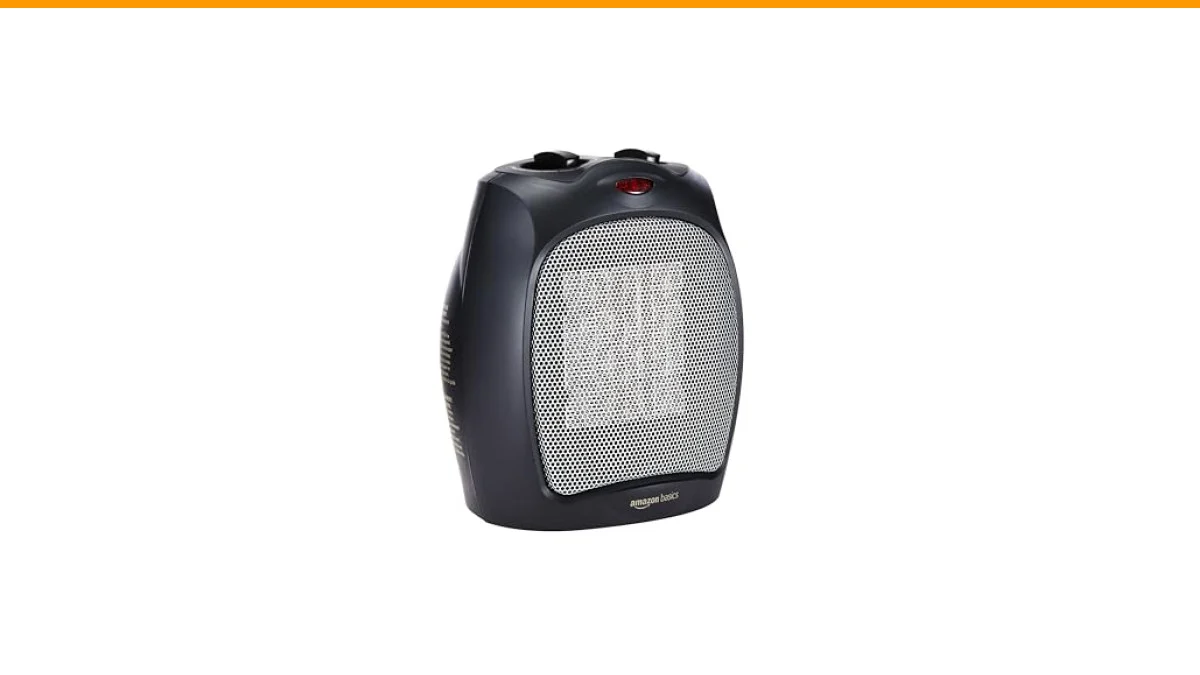
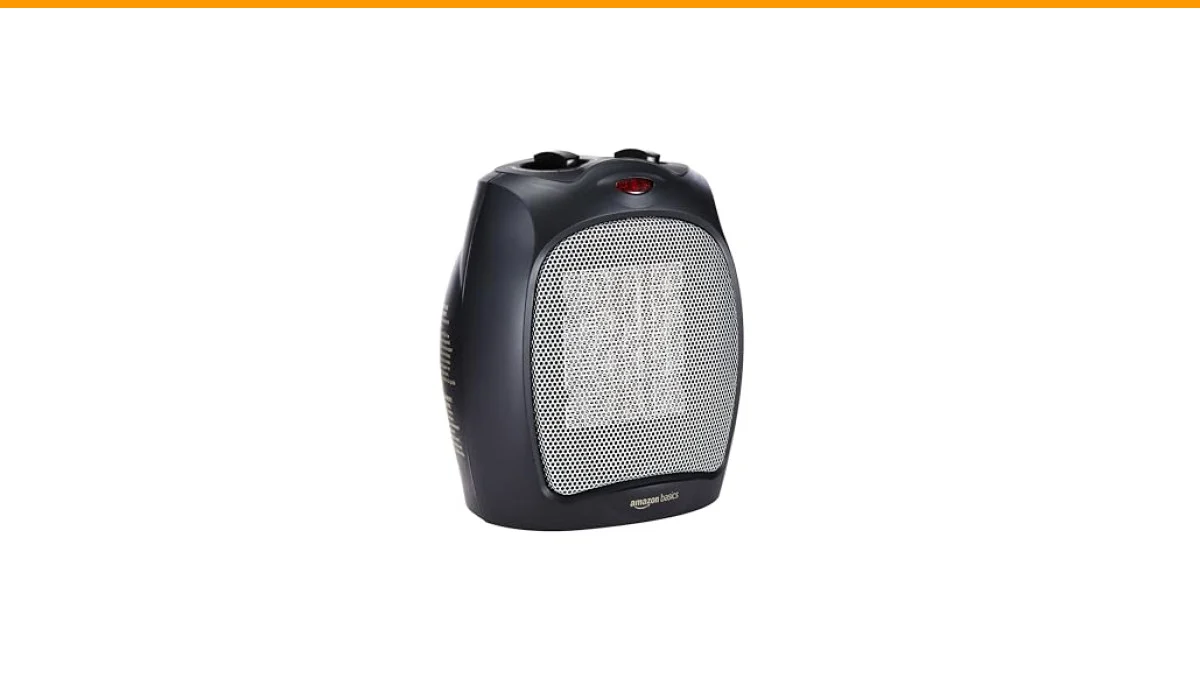
Cold winter nights can be uncomfortable, especially when your home struggles to maintain a cozy atmosphere. Many people seek efficient heating solutions to keep their spaces warm without breaking the bank. Enter ceramic infrared heaters, a modern option that combines energy efficiency with effective heating. This article will clarify what a ceramic infrared heater is, how it works, its advantages, and what to consider when choosing one.
With options like the Dr Infrared Heater DR-968 Portable Space Heater, which features advanced heating technologies and safety features, you’ll find it easier to select a solution that meets your needs. Let’s dive into the world of ceramic infrared heaters and understand their unique characteristics.

DR. INFRARED HEATER
Dr Infrared Heater DR-968 Portable Space Heater, 1500-Watt, Cherry
- Can heat up a large room with Auto Energy Saving Model With High and Low Feature. Tip-over protection and Overheat protection.Heat…
- Dual Heating Systems featuring infrared quartz tube + PTC with 12-Hour automatic shut-off timer. Amperage: 12.5 Amps
- IR Remote Control, High Pressure Low Noise Blower with Noise level 39 dB super quiet. Heating can cover for a large room.
What is a Ceramic Infrared Heater?
A ceramic infrared heater is a type of heating device that uses ceramic elements to produce infrared radiation, which directly heats objects and people in its path rather than just warming the air. This technology efficiently distributes heat across a room, making it a popular choice for both residential and commercial spaces.

 Infrared Heaters: The Complete GuideWatch on YouTube
How Do Ceramic Infrared Heaters Work?
Ceramic infrared heaters operate through a simple yet effective mechanism. When electricity flows through the ceramic elements, they heat up and emit infrared radiation. This radiation travels in straight lines, warming up everything it encounters, including walls, furniture, and people. Unlike conventional heaters that rely on convection to warm the air, infrared heats objects directly, resulting in faster and more efficient warmth.
For example, a typical ceramic infrared heater can quickly raise the temperature of a room by about 10-15 degrees Fahrenheit in just 10-15 minutes. The heat produced is comparable to the warmth of sunlight, providing a comfortable and inviting atmosphere.
Benefits of Using Ceramic Infrared Heaters
Ceramic infrared heaters offer several advantages that make them a preferred choice among consumers:
- Energy Efficiency: Infrared heaters use less power than traditional heating methods. They can provide the same level of warmth while consuming about 30% less energy.
- Safety Features: Many models, like the Dr Infrared Heater DR-968, come equipped with safety features such as tip-over protection and overheat protection, ensuring safe operation.
- Silent Operation: The operation is nearly silent, making them ideal for bedrooms, offices, or libraries where noise can be disruptive.
- Targeted Heating: Infrared heaters warm objects and people directly, which can lead to greater comfort and reduced energy waste.
- Easy Portability: Many ceramic infrared heaters are lightweight and portable, allowing users to move them between rooms as needed.
Choosing the Right Ceramic Infrared Heater
When selecting a ceramic infrared heater, consider the following factors:
- Room Size: Choose a heater that can effectively cover the area you want to heat. A heater with a rating of 5200 BTU, like the Dr Infrared Heater DR-968, is suitable for large rooms.
- Heating Features: Look for features such as dual heating systems (like infrared quartz tube + PTC) for more efficient heating and adjustable thermostats for precise temperature control.
- Safety and Reliability: Ensure the heater has safety certifications and features that protect against overheating and accidents.
- Noise Levels: If noise is a concern, opt for models that operate quietly, usually rated around 39 dB.
| Feature | Standard Heater | Ceramic Infrared Heater |
|---|---|---|
| Heating Method | Convection | Infrared Radiation |
| Energy Efficiency | Moderate | High |
| Heat Up Time | 10-20 minutes | 5-15 minutes |
| Noise Level | Medium to High | Low |
| Portability | Varies | High |
Frequently Asked Questions
1. Can ceramic infrared heaters be used outdoors?
While some ceramic infrared heaters are designed for outdoor use, most are intended for indoor environments. Always check the manufacturer’s specifications.
2. How much electricity do ceramic infrared heaters use?
Most standard models operate at 1500 watts, similar to other portable heaters. However, they are generally more energy-efficient, providing effective heating with less power consumption.
3. Are ceramic infrared heaters safe for pets?
Yes, ceramic infrared heaters are safe for pets, but always monitor their behavior around the heater. Some pets may get too close, so it’s wise to place the heater out of reach.
4. How long do ceramic infrared heaters last?
With proper care, ceramic infrared heaters can last anywhere from 10 to 20 years. Regular maintenance, such as cleaning filters, can extend their lifespan.
5. How do I maintain my ceramic infrared heater?
Keep the heater clean and dust-free. Regularly check and replace filters if applicable. Ensure that no flammable materials are near the heater.
Final Thoughts
- Ceramic infrared heaters provide efficient and effective heating solutions.
- They are ideal for both large and small spaces, depending on the model.
- Safety features are crucial for peace of mind, especially in homes with children or pets.
- Consider energy efficiency to reduce heating costs over time.
- Portability allows for versatile use throughout your home.
- Explore options like the Dr Infrared Heater DR-968 for a combination of performance and safety.