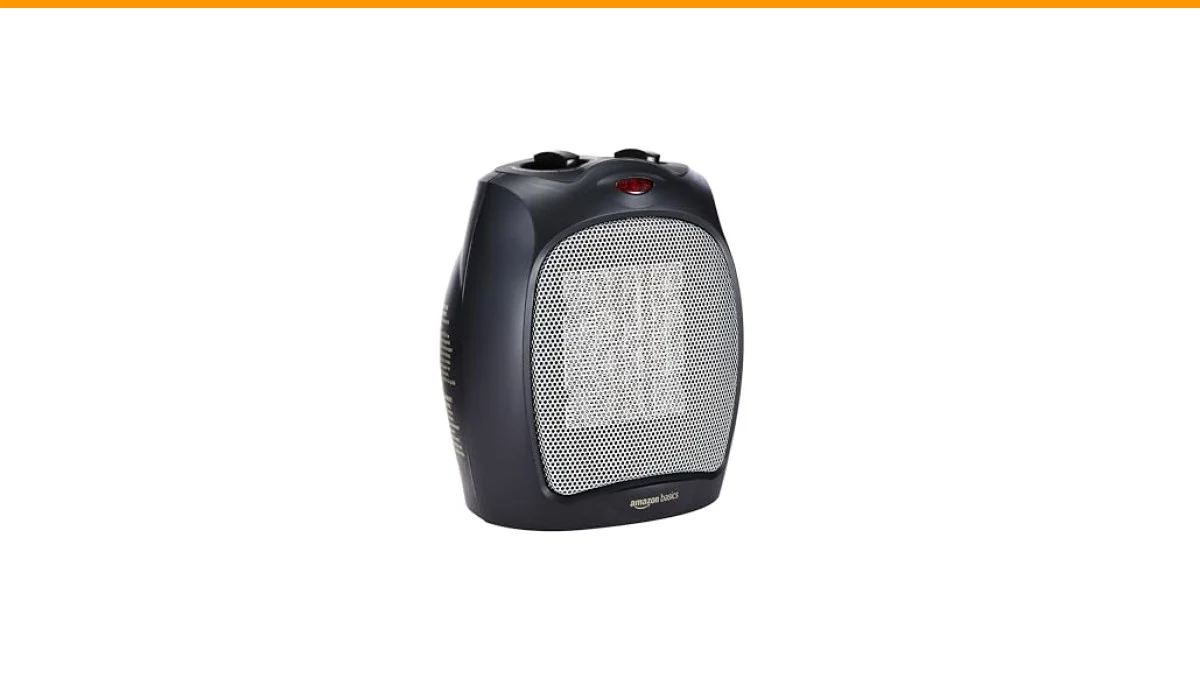
Imagine coming home on a chilly evening, and as soon as you step inside, you’re greeted by a warm, cozy atmosphere. That’s the magic of effective heating, and a ceramic wall heater can play a significant role in creating that comfort. These heaters have gained popularity due to their efficiency and ability to provide consistent warmth without the noise and dust often associated with traditional heating methods.
This article will explore what a ceramic wall heater is, its benefits, how it works, and address some common misconceptions. By the end, you’ll be well-equipped to understand this heating solution and decide if it’s right for your space.

EconoHome
EconoHome Wall Heater Panel with Thermostat - Electric Wall Mounted Heater for Indoor Use - 400Watt Convection Heater - Perfect for Rooms Up to 120 Sq Ft - 120V - Updated Model
- SAVE UP TO 50% OF YOUR HOME HEATING COSTS: Lower your energy bills and still feel cozy and warm with our electric heater. Our flat…
- CONVECTOR HEATER SPECS: Ideal for a 120 sq. ft. room, 400 watts, 120 volts, 3.33 amps. Panel Heater Dimensions: 23.5 x 23.5 x ¼”.…
- SAFE AND EFFICIENT TECHNOLOGY: This convector space heater’s exterior casing will feel warm and is safe for adults only. The elect…
One example of a high-quality ceramic wall heater is the EconoHome Wall Heater Panel with Thermostat. This model boasts 400 watts of power, making it ideal for rooms up to 120 square feet. Its energy-efficient design can help lower your heating costs while maintaining a comfortable environment.
A ceramic wall heater is a type of electric heater that uses ceramic elements for warmth. These heaters are designed to be mounted on walls, saving floor space and providing a more permanent heating solution. They operate using convection currents, which means they heat the air in the room rather than directly warming objects or people. This results in a consistent and comfortable ambient temperature.

 Ceramic VS Infrared (What Is The BEST Room Heater in 2025)Watch on YouTube
How Do Ceramic Wall Heaters Work?
Ceramic wall heaters utilize a heating element made from ceramic materials that efficiently convert electricity into heat. When turned on, the ceramic element heats up quickly and begins to radiate warmth into the surrounding air. The design encourages convection currents where the warm air rises and circulates around the room, creating an even distribution of heat.
The EconoHome model, for instance, features a built-in thermostat, allowing users to set their desired temperature. This feature not only enhances comfort but also contributes to energy savings by preventing the heater from running continuously.
Benefits of Using a Ceramic Wall Heater
- Energy Efficiency: Ceramic wall heaters consume less power compared to traditional heaters, leading to lower energy bills.
- Space-Saving Design: Being wall-mounted, these heaters do not take up floor space, making them ideal for smaller rooms.
- Quiet Operation: Unlike fan-based heaters, ceramic wall heaters operate silently, making them suitable for bedrooms and offices.
- Consistent Heating: The convection heating method ensures a steady and comfortable temperature throughout the room.
- Safety Features: Many models come equipped with overheat protection, ensuring safe operation even if the heater is left on for long periods.
Common Misconceptions About Ceramic Wall Heaters
No, More Watts Doesn’t Mean Better Heating
Many people mistakenly believe that a higher wattage always translates to better heating. While wattage does indicate the amount of energy a heater uses, it doesn’t directly correlate to how effectively it warms a space. For example, a 400-watt ceramic wall heater, like the EconoHome model, can efficiently heat a room of up to 120 square feet, making it suitable for specific applications without excessive energy consumption.
Not All Ceramic Heaters Are Wall-Mounted
Another common misconception is that all ceramic heaters are designed to be wall-mounted. While ceramic heaters can come in various forms, including portable units, wall-mounted models offer distinct advantages like saving floor space and providing a more permanent solution. When considering your options, it’s essential to clarify your heating needs.
Comparative Overview of Ceramic Wall Heaters
| Feature | EconoHome Wall Heater | Typical Ceramic Heater | Traditional Electric Heater |
|---|---|---|---|
| Wattage | 400W | 1500W | 1500W |
| Heating Area | Up to 120 sq. ft. | Up to 200 sq. ft. | Up to 300 sq. ft. |
| Noise Level | Quiet | Moderate | High |
| Safety Features | Yes, overheat protection | Varies | Varies |
| Mounting Type | Wall-mounted | Portable or wall-mounted | Portable |
FAQs about Ceramic Wall Heaters
1. Are ceramic wall heaters safe to use?
Yes, ceramic wall heaters are generally safe, especially models equipped with safety features like overheat protection. Always follow the manufacturer’s guidelines for safe installation and operation.
2. How do I install a ceramic wall heater?
Installation typically involves mounting the heater on a wall using the provided hardware. It’s essential to follow the manufacturer’s instructions for electrical connections or consider hiring a professional electrician.
3. Can I use a ceramic wall heater in a bathroom?
Yes, many ceramic wall heaters are suitable for bathrooms. However, ensure that the model is rated for use in damp environments to avoid safety hazards.
4. How much does it cost to run a ceramic wall heater?
The cost depends on your local electricity rates and how often you use the heater. Generally, ceramic wall heaters are more energy-efficient, which can lead to lower heating costs compared to traditional heaters.
5. Do ceramic wall heaters require maintenance?
Maintenance is minimal. Regularly check for dust buildup and clean the surface to ensure optimal performance. Always turn off the heater before cleaning.
Final Thoughts
- Ceramic wall heaters provide an efficient and quiet heating solution.
- Look for models with built-in thermostats for better temperature control.
- Understand the heating area to select the right wattage.
- Consider safety features like overheat protection when choosing a heater.
- Explore installation options, including wall-mounted and portable models.
- Check local energy costs to estimate running expenses accurately.
- Regular cleaning and maintenance ensure longevity and performance.