 Electric Baseboard Heaters: Pros and ConsWatch on YouTube
What is a Hydronic Electric Baseboard Heater?
Imagine returning home on a chilly winter evening to a warm, cozy environment without the noise of a furnace kicking in. This scenario is exactly what hydronic electric baseboard heaters can provide. These heating units are designed to deliver comfortable warmth through a system of water-filled pipes that run along the baseboard of your walls. The warmth radiates from the heater, gently raising the temperature in the room.
Hydronic electric baseboard heaters utilize electricity to heat water, which then circulates through the unit, providing consistent and comfortable heat. Unlike traditional electric resistance heaters, they rely on the principle of radiant heat, making them energy efficient and quiet in operation. In this article, you will learn how these heaters work, their benefits, and how they compare to other heating systems.

Dayton
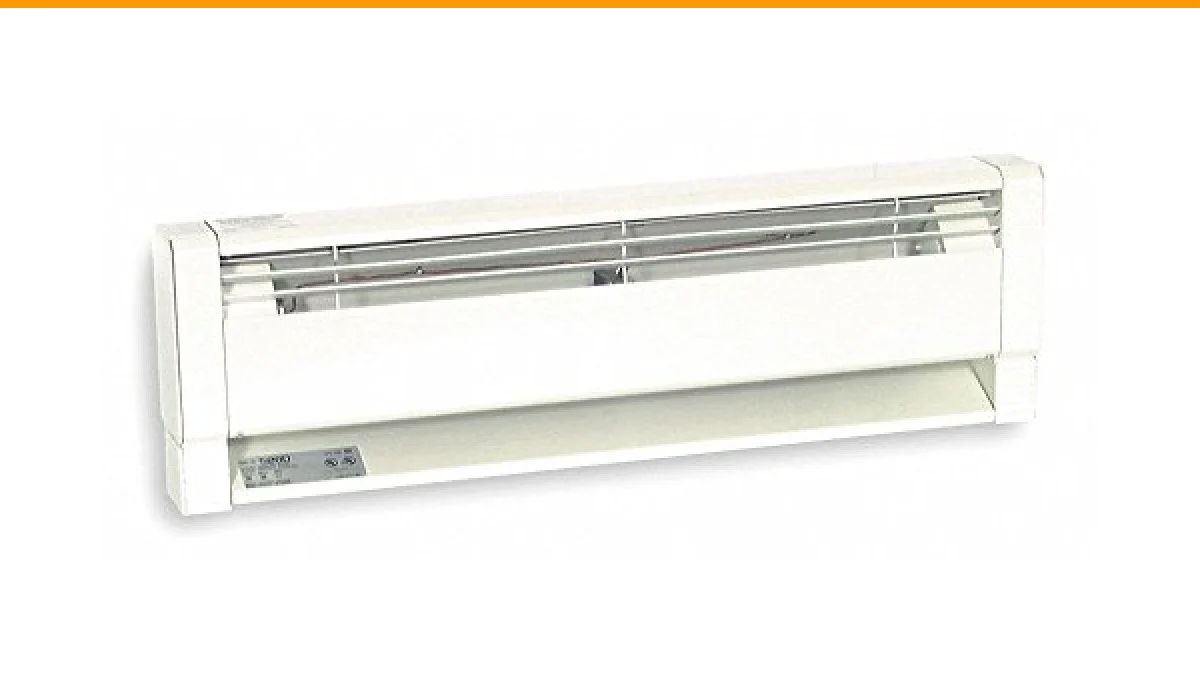
Hydronic Electric Baseboard Heater, Commercial, 120VAC, Amps AC 12.5, 1 Phase, BtuH 5118
- Item: Hydronic Electric Baseboard Heater
- Housing Style: Conventional
- Primary Application: Commercial
The Hydronic Electric Baseboard Heater from Dayton is an excellent example of a commercial-grade unit. Operating on 120VAC with a 12.5 amp rating, it delivers around 5118 BTU per hour, making it suitable for various heating applications.
How Hydronic Electric Baseboard Heaters Work
Hydronic heating systems work by circulating hot water through pipes that are integrated into the baseboard units. When you turn on the heater, the electrical components heat the water, which then travels through the pipes. As the hot water flows through the baseboard unit, it radiates heat into the room, warming the air and surfaces in your space.
A thermostat often controls the heater, allowing you to set your desired temperature. The system maintains this temperature by cycling the water flow on and off as needed. This method of heating is not only efficient but also ensures a consistent warmth throughout the room.
Benefits of Using Hydronic Electric Baseboard Heaters
Hydronic electric baseboard heaters come with several advantages:
- Energy Efficiency: These heaters use less energy compared to traditional electric resistance units. The radiant heat they produce warms objects in the room rather than just the air, creating a more comfortable environment.
- Quiet Operation: Unlike forced-air systems, hydronic heaters operate silently. This makes them an excellent choice for bedrooms and living spaces where noise can be a distraction.
- Consistent Comfort: Hydronic heating provides a steady and even distribution of heat, reducing cold spots in the room.
- Low Maintenance: These systems require minimal maintenance, with no filters to change and fewer moving parts than other heating systems.
Comparing Hydronic Electric Baseboard Heaters to Other Heating Systems
When considering heating options for your home, understanding how hydronic electric baseboard heaters stack up against other systems is essential. Below is a comparison table that outlines key features of hydronic electric baseboard heaters versus forced air systems and traditional radiators.
| Feature | Hydronic Electric Baseboard Heaters | Forced Air Systems | Traditional Radiators |
|---|---|---|---|
| Energy Efficiency | High, uses less power | Moderate, can waste energy | Moderate, depends on boiler efficiency |
| Noise Level | Quiet operation | Can be noisy | Generally quiet |
| Installation Cost | Moderate | High, ductwork needed | High, boiler installation required |
| Temperature Control | Precise, individual thermostats | Less precise | Less responsive |
| Comfort Level | Consistent warmth | Can create drafts | Radiant warmth, but slower to heat |
Installation Process for Hydronic Electric Baseboard Heaters
Tools and Materials Needed
Installing hydronic electric baseboard heaters requires some tools and materials:
- Hydronic electric baseboard heater units
- Pipe fittings and connectors
- Thermostat
- Pipe insulation
- Electric wiring and connectors
- Basic hand tools (screwdriver, wrench, etc.)
Step-by-Step Installation Guide
Follow these steps to install a hydronic electric baseboard heater:
- Select the Location: Choose a spot along an exterior wall for optimal performance.
- Mount the Heater: Use brackets to secure the heater to the wall, ensuring it is level.
- Connect the Pipes: Attach the water pipes using the appropriate fittings. Ensure all connections are tight.
- Wire the Thermostat: Install the thermostat according to the manufacturer’s instructions and connect it to the heater.
- Insulate the Pipes: Wrap any exposed pipes with insulation to maintain heat.
- Test the System: Turn on the heater and check for leaks or issues.
Maintenance Tips for Longevity
To keep your hydronic electric baseboard heater operating efficiently, consider these maintenance tips:
- Check for leaks regularly around the heater and connections.
- Inspect the thermostat for accurate temperature readings.
- Clean the heater surface to remove dust and debris.
- Ensure that furniture or curtains do not block the heater.
Cost Analysis: Installation and Operating Costs
The upfront costs of hydronic electric baseboard heaters can vary depending on the size and brand. Installation costs can range from $300 to $800 per unit, including labor and materials. Operating costs depend on your local electricity rates but typically range from $0.06 to $0.15 per kilowatt-hour.
In comparison, hydronic systems generally offer lower operating costs over time due to their energy efficiency. Users can expect to save on their heating bills as the system works to maintain a steady temperature without excessive energy use.
Safety Considerations and Best Practices
While hydronic electric baseboard heaters are generally safe, following some best practices is essential:
- Ensure proper installation and electrical connections.
- Keep the heater free from obstructions to promote airflow.
- Check for any signs of wear or damage before each heating season.
- Use a thermostat to prevent overheating, which can lead to potential hazards.
Frequently Asked Questions about Hydronic Electric Baseboard Heaters
1. How long does it take for a hydronic electric baseboard heater to warm a room?
Typically, it takes about 30 minutes to an hour for a hydronic electric baseboard heater to warm a room depending on the size and insulation of the space.
2. Are hydronic electric baseboard heaters energy efficient?
Yes, these heaters are known for their energy efficiency as they use less power and provide consistent heat compared to other systems.
3. Can hydronic electric baseboard heaters be used in bathrooms?
Yes, they can be used in bathrooms. However, ensure they are installed according to local electrical codes to prevent moisture-related issues.
4. Do hydronic electric baseboard heaters require special maintenance?
Maintenance is minimal, but you should check for leaks, clean the heater surfaces, and ensure that the thermostat functions correctly.
5. What is the lifespan of a hydronic electric baseboard heater?
With proper care, hydronic electric baseboard heaters can last up to 20 years or more, making them a long-term heating solution.
Final Thoughts on Hydronic Electric Baseboard Heaters
- Hydronic electric baseboard heaters provide efficient and quiet heating.
- They are easy to install and maintain with minimal upkeep.
- These heaters offer consistent comfort, making them suitable for various spaces.
- Installation costs vary, but they can yield savings on energy bills over time.
- Safety measures are important for optimal operation.

