Introduction
As temperatures drop, many find themselves shivering in their homes, wishing for a quick solution to warm up their living spaces. Space heaters provide a practical option for localized heating, allowing you to stay cozy without cranking up the central heating system. Whether you’re working from home, enjoying a quiet evening, or trying to keep a bedroom warm, understanding space heaters can significantly improve your comfort and energy efficiency.
This article will cover what a space heater is, how they function, the various types available, and crucial safety considerations. You’ll also find a comparison table of popular space heaters to help you make an informed decision.

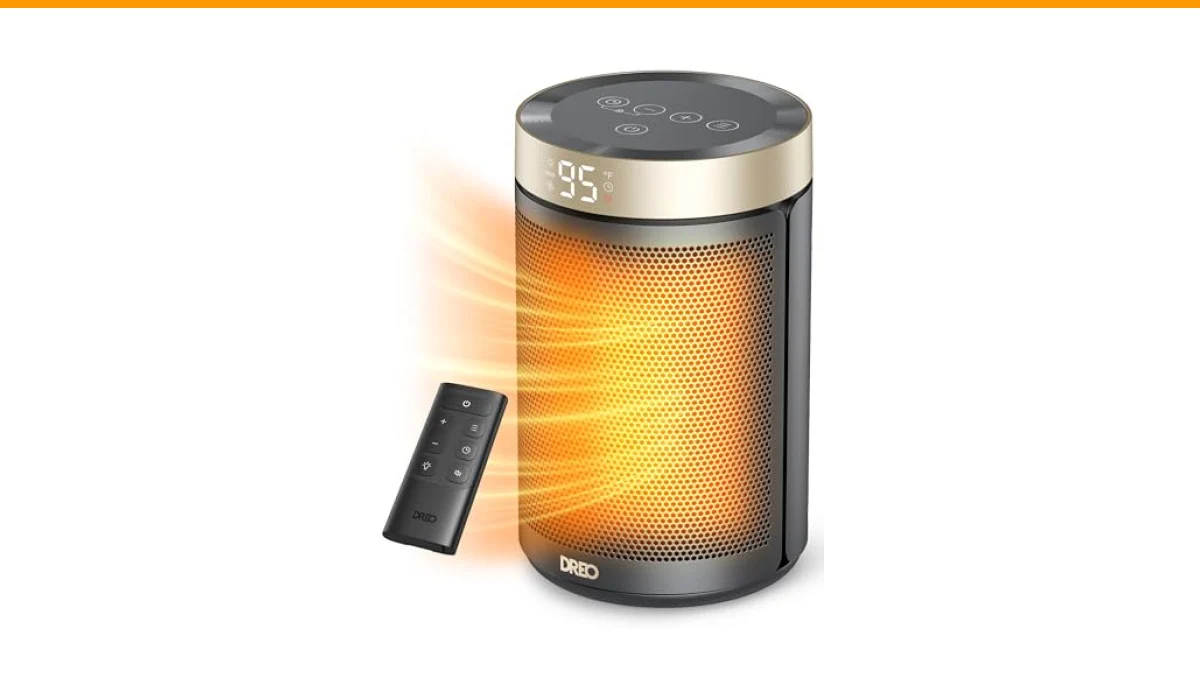
DREO
DREO Space Heater, Portable Electric Heaters for Indoor Use with Thermostat | 2026 Upgraded, 34dB Quiet, 12H Timer, 5 Mode, Remote, 1500W PTC Ceramic Fast Safety Heat for Office Bedroom Home, Gold
- Powerful heat that fits everywhere: DREO space heaters for indoor combines Hyperamics 1500W advanced PTC system with a new heat fu…
- Unbreakable safety:DREO goes beyond the unexpected to deliver peace of mind with every room heater. The innovative tilt-detection…
- Ultimate temperature control: The enhanced NTC chipset brings more precision to turn your space heater with thermostat into a smar…
If you’re considering a space heater, the DREO Space Heater is a noteworthy option. Its advanced heating technology and safety features make it a reliable choice for indoor use.
What is a Space Heater?
A space heater is a device designed to heat a specific area or room instead of an entire building. These heaters can use different energy sources, including electricity, natural gas, propane, or oil, to generate heat. They come in various styles, including portable units that can be moved from room to room, and fixed models that are installed in specific locations.
Types of Space Heaters
Space heaters generally fall into several categories, each with its own advantages and applications:
- Convection Heaters: These heaters warm the air in a room, which then circulates. They are effective in larger spaces and maintain a consistent temperature.
- Radiant Heaters: Radiant heaters emit infrared radiation, directly warming objects and people in their line of sight. They are great for quick, localized heating.
- Fan-forced Heaters: These units incorporate a fan to distribute warm air quickly. They are ideal for heating small spaces rapidly.
- Oil-filled Radiators: These heaters use oil as a heat reservoir, providing consistent warmth even after they are turned off.
How to Choose a Space Heater
When selecting a space heater, consider the following factors:
- Heating Capacity: Measured in watts or BTUs (British Thermal Units), ensure the heater is suitable for the size of the room. A heater should provide around 10 watts per square foot.
- Energy Efficiency: Look for models with energy-saving features, such as programmable thermostats or timers, to reduce electricity costs.
- Safety Features: Check for automatic shut-off, tip-over protection, and cool-to-the-touch exteriors.
- Noise Level: If you plan to use the heater in a bedroom or office, consider models that operate quietly.
Comparative Table of Space Heaters
| Type | Heating Method | Best For | Safety Features |
|---|---|---|---|
| Convection Heater | Air circulation | Large rooms | Overheat protection, tip-over switch |
| Radiant Heater | Infrared radiation | Quick warmth | Overheat protection |
| Fan-forced Heater | Forced air | Small spaces | Automatic shut-off |
| Oil-filled Radiator | Oil heating | Long-lasting warmth | Overheat protection, cool exterior |
Frequently Asked Questions
1. How much electricity does a space heater use?
The energy consumption of a space heater depends on its wattage. Most standard models range from 750 to 1500 watts. Running a 1500-watt heater for 8 hours can use about 12 kilowatt-hours (kWh), which can be calculated to determine cost based on your local electricity rates.
2. Are space heaters safe to use overnight?
Many space heaters have safety features that make them safe for overnight use. Look for models with automatic shut-off and tip-over protection. However, always follow manufacturer guidelines and never leave them unattended.
3. Can a space heater save on heating bills?
Yes, using a space heater can be cost-effective. By heating only the areas you’re using, you can lower your overall heating costs compared to heating an entire home. However, ensure it’s energy-efficient to maximize savings.
4. How do I maintain my space heater?
Regular maintenance includes cleaning dust and debris from the heater and ensuring all vents and grilles are clear. Check for any signs of wear or damage and follow the manufacturer’s instructions for care.
5. What is the safest space heater for a bedroom?
Look for space heaters that are specifically designed for bedroom use, featuring low noise levels and safety features like cool-touch exteriors and timers. The DREO Space Heater, for instance, combines quiet operation with advanced safety features, making it suitable for sleeping areas.
Takeaways to Keep Warm and Safe
- Understand the different types of space heaters and choose one that suits your needs.
- Prioritize safety features to ensure a secure heating experience.
- Calculate the appropriate wattage based on your room size.
- Regularly maintain your heater for optimal performance.
- Consider energy-saving models to reduce operating costs.
- Use space heaters only when necessary to minimize risks.
- Always follow the manufacturer’s guidelines for safe operation.



