Winter months can make indoor spaces feel uncomfortably cold. Many people rely on space heaters to maintain warmth in their homes without cranking up the central heating. Understanding the different types of space heaters available can significantly influence your comfort and energy efficiency. In this article, we’ll explore the various space heater types, their specific features, benefits, and how to choose the right one for your needs.
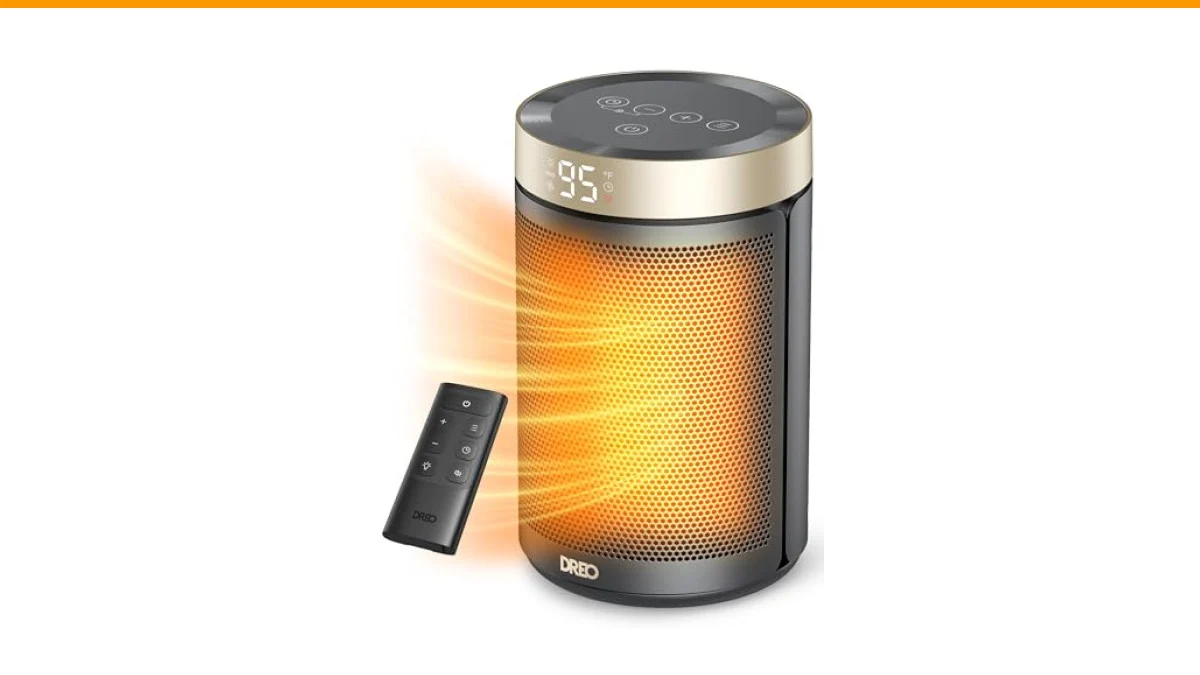
Among the many options available, the DREO Space Heater stands out for its impressive features. It combines a powerful 1500W PTC system with a unique heat funnel design, ensuring rapid warmth and effective air circulation. With safety features like an innovative tilt-detection sensor and V0 flame retardant materials, it provides peace of mind while keeping your space cozy.

DREO
DREO Space Heater, Portable Electric Heaters for Indoor Use with Thermostat | 2026 Upgraded, 34dB Quiet, 12H Timer, 5 Mode, Remote, 1500W PTC Ceramic Fast Safety Heat for Office Bedroom Home, Gold
- Powerful heat that fits everywhere: DREO space heaters for indoor combines Hyperamics 1500W advanced PTC system with a new heat fu…
- Unbreakable safety:DREO goes beyond the unexpected to deliver peace of mind with every room heater. The innovative tilt-detection…
- Ultimate temperature control: The enhanced NTC chipset brings more precision to turn your space heater with thermostat into a smar…
Convection Heaters
Convection heaters are one of the most common space heater types. They work by heating the air in a room, which then circulates to warm the space evenly. This heating method is particularly effective in larger areas as it provides consistent warmth.
Typically, convection heaters come in two forms: portable and wall-mounted. Portable units can be easily moved from room to room, while wall-mounted heaters offer a more permanent solution. A good example of a convection heater is the oil-filled radiator. These can take longer to heat up initially but maintain warmth for an extended period.
Radiant Heaters
Radiant heaters operate differently, focusing on heating objects and people directly rather than the air. This type of heater is best for small spaces or for providing quick warmth in areas where people gather. They are commonly used for spot heating in areas like a living room or bathroom.
Infrared heaters are a popular type of radiant heater, using infrared light to heat surfaces. These heaters provide instant warmth and are often used in outdoor settings or workspaces. They are energy-efficient and can heat a specific area without wasting energy on unoccupied spaces.
Fan Heaters
Fan heaters incorporate a fan to blow heated air into the room. They provide rapid heating and are ideal for quickly warming up a small area. Most fan heaters come with adjustable settings, allowing users to control the temperature and airflow.
While fan heaters can be noisy, many modern models, like the DREO space heater, operate quietly. This makes them suitable for bedrooms or offices where noise levels matter. Their compact design allows for easy placement and portability, making them a versatile option.
Micathermic Heaters
Micathermic heaters combine convection and radiant heating technologies. They utilize a mica panel to emit heat, providing warmth both through convection and direct radiation. This dual approach allows them to heat up quickly while maintaining a consistent temperature throughout the room.
These heaters are often lightweight and slim, making them easy to transport and store. They are also typically more energy-efficient than traditional convection heaters. However, they may not be as effective in larger rooms compared to other types.
| Type | Heating Method | Best For | Pros | Cons |
|---|---|---|---|---|
| Convection Heaters | Heats air | Large areas | Even heat distribution | Slower to warm up |
| Radiant Heaters | Direct heating | Small spaces | Instant warmth | Limited area coverage |
| Fan Heaters | Heats air with fan | Quick heating | Fast and portable | Can be noisy |
| Micathermic Heaters | Convection + radiant | Medium-sized rooms | Lightweight and efficient | Less effective in large spaces |
What is the most energy-efficient type of space heater?
Micathermic heaters are often considered the most energy-efficient due to their dual heating method, allowing them to heat a room quickly while minimizing energy consumption. However, the efficiency may vary depending on room size and insulation.
Can space heaters be left on overnight?
Leaving a space heater on overnight isn’t advisable unless it has safety features like tip-over protection and overheat shut-off. Always follow the manufacturer’s guidelines and ensure the heater is placed away from flammable materials.
How do I choose the right size space heater?
Choosing the right size depends on the heater’s wattage and the room’s square footage. A general rule is to provide 10 watts per square foot. For example, a 1,500-watt heater can effectively heat a space up to 150 square feet.
Are space heaters safe for children and pets?
Safety features are crucial when using space heaters in homes with children or pets. Look for heaters with tip-over protection, cool-to-touch surfaces, and automatic shut-off features to enhance safety.
How much does it cost to run a space heater?
The cost of running a space heater depends on its wattage and your local electricity rates. On average, a 1,500-watt heater running for 8 hours a day can cost around $0.36 to $0.72 per day, depending on your energy rate.
Final Thoughts
- Consider your heating needs: room size and insulation play a significant role.
- Evaluate safety features, especially if children or pets are present.
- Opt for energy-efficient models, like micathermic heaters, to save on energy costs.
- Think about portability and storage if you plan to move the heater between rooms.
- Always follow the manufacturer’s guidelines for optimal and safe usage.



