 Tubular heaters | Industrial heating elements | Tubular heater suppliers Bangalore | Nuicon Pvt LtdWatch on YouTube
Introduction to Tubular Heaters
As winter approaches, many people find themselves battling the chill in their homes or workplaces. Imagine entering a cold room and wishing for instant warmth that doesn’t require elaborate setups or excessive power consumption. This is where tubular heaters come into play, providing efficient heating solutions for various environments.
Understanding what a tubular heater is and how it functions can help you make informed decisions about your heating needs. This article will delve into the workings, applications, advantages, and maintenance of tubular heaters, equipping you with the knowledge to choose the right heating solution for your specific situation.

YOUCIDI
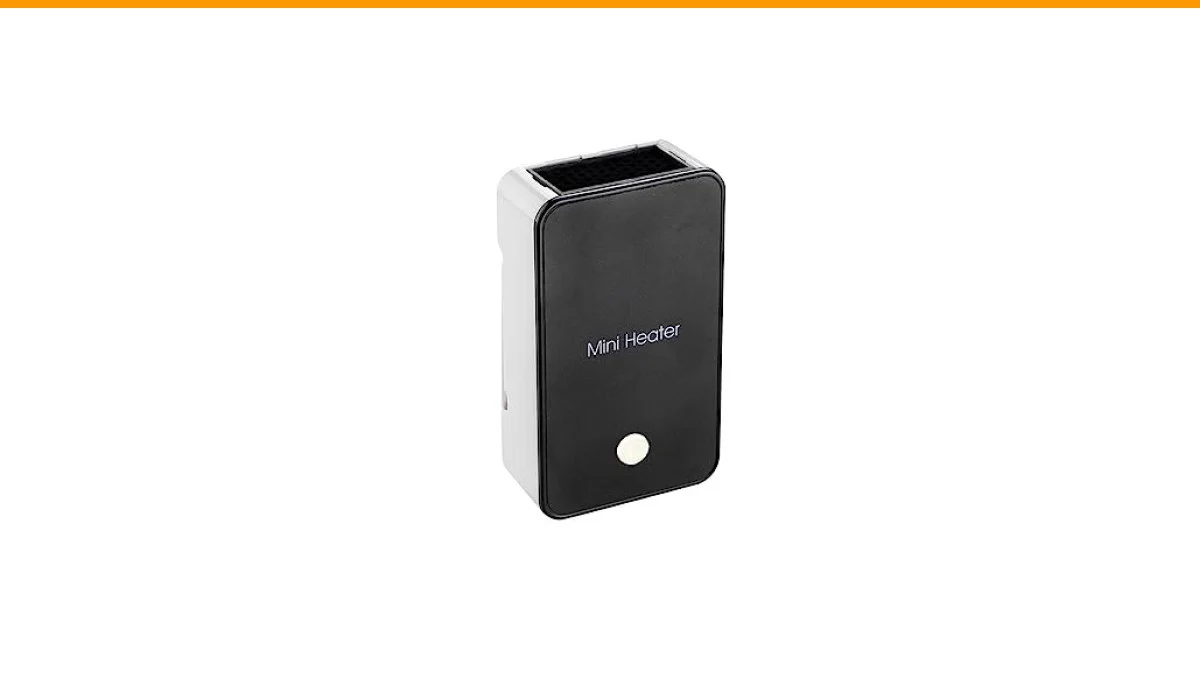
Safety Energy-saving Heater Mini Portable Electric Fan Heater Air Warmer | for Room Office Desktop Black
- Immediately heating and silence working. It adopts PTC corrugate aluminium heater and it can heat quickly. When plug in power, it…
- Resist to deformation in high temperature. It will power off automatically if the temperature is too heat.
- With a rotatable support to get an appropriate supporting angle. The support adopts anti slip material so you can put the warmer o…
For instance, if you’re looking for a compact and efficient option, consider the Safety Energy-saving Heater Mini Portable Electric Fan Heater. This fan heater offers immediate warmth and is suited for small spaces like offices and bedrooms.
What is a Tubular Heater?
A tubular heater is an electric heating device that uses a tubular heating element to generate heat. These heaters are typically made from stainless steel or aluminum, which provides durability and excellent thermal conductivity. The design allows for efficient heat transfer, making them suitable for various applications such as heating air, liquids, or surfaces.
How Tubular Heaters Work
Tubular heaters operate based on a straightforward principle: electricity passes through a resistive element, generating heat. The components include:
- Heating Element: Usually made from nickel-chromium alloy, this element heats up when an electric current flows through it.
- Insulation: Surrounds the heating element, preventing heat loss and ensuring safety.
- Outer Tubing: Often constructed from durable metal, this encases the heating element and provides structural integrity.
When the heater is powered, the heating element reaches the desired temperature, and heat radiates outwards. This process can occur rapidly, often within minutes, making tubular heaters an efficient choice for immediate warmth.
Applications of Tubular Heaters
Tubular heaters have a wide range of applications across several industries:
- Residential Heating: Used in homes for space heating, these heaters can be found in bathrooms and kitchens.
- Industrial Applications: Commonly used in manufacturing processes for heating liquids, air, and surfaces.
- Aquarium Heating: Ideal for maintaining water temperatures in aquariums.
- Food Industry: Used in food processing to maintain temperatures during cooking and storage.
- HVAC Systems: Often integrated into heating, ventilation, and air conditioning systems to provide supplemental heat.
Advantages of Using Tubular Heaters
Tubular heaters offer several advantages:
- Efficiency: They provide rapid heating, often reaching optimal temperatures quickly.
- Versatility: Suitable for various applications, from industrial uses to home heating.
- Durability: Made from corrosion-resistant materials, they withstand high temperatures and harsh environments.
- Compact Design: Their slim profile allows for easy installation in tight spaces.
- Energy-Efficiency: Designed to minimize heat loss, they consume less power compared to traditional heaters.
Safety Considerations When Using Tubular Heaters
While tubular heaters are generally safe, adhering to safety guidelines is crucial:
- Proper Installation: Ensure the heater is installed by a qualified professional to avoid electrical hazards.
- Overheating Protection: Look for models with built-in thermostats or thermal cut-offs that prevent overheating.
- Regular Maintenance: Inspect the heater regularly for wear and tear to ensure it operates safely.
Choosing the Right Tubular Heater: Size and Wattage
Selecting the appropriate size and wattage for your tubular heater is essential for optimal performance:
- Determine Heating Needs: Assess the area you need to heat. Calculate the required wattage by considering the room size and insulation quality.
- Match Wattage to Application: For example, a 1000-watt heater may suffice for small rooms, while larger spaces may require up to 3000 watts.
- Consider Temperature Control: Choose heaters with adjustable settings for better control over your heating needs.
Installation and Mounting Options
Installing a tubular heater involves a few key steps:
- Choose Location: Select a suitable spot, ensuring it’s away from flammable materials.
- Mounting: Most tubular heaters can be wall-mounted or placed on a flat surface. Ensure they are securely fastened.
- Electrical Connections: Connect the heater to a power source, following safety protocols.
Maintenance Tips for Longevity
To extend the lifespan of your tubular heater, consider these maintenance tips:
- Regular Cleaning: Dust and debris can accumulate, so clean the exterior regularly.
- Inspect Wiring: Periodically check for frayed wires or loose connections.
- Test Safety Features: Ensure that built-in safety features work correctly, such as the thermal cut-off.
Troubleshooting Common Issues
If you encounter issues with your tubular heater, here are some common problems and solutions:
- Heater Doesn’t Turn On: Check the power supply and ensure the heater is plugged in.
- No Heat Produced: Inspect the heating element for damage or malfunction.
- Overheating: Ensure the thermostat functions correctly and that there’s proper airflow around the heater.
Comparing Tubular Heaters with Other Heating Solutions
When evaluating heating options, consider how tubular heaters stack up against alternatives:
| Feature | Tubular Heaters | Conventional Heaters | Radiant Heaters |
|---|---|---|---|
| Heat Up Time | Fast | Moderate | Fast |
| Energy Efficiency | High | Moderate | High |
| Cost | Moderate | Low to Moderate | High |
| Maintenance | Low | Moderate | Low |
| Installation | Easy | Moderate | Easy |
Innovations and Future Trends in Tubular Heating Technology
The tubular heating industry is evolving, with several innovations on the horizon:
- Smart Heating: Integration with IoT devices allows for remote control and monitoring.
- Eco-Friendly Materials: Manufacturers are exploring sustainable materials for heater construction.
- Advanced Temperature Control: New models feature more precise temperature controls and energy-saving modes.
Frequently Asked Questions
What is the lifespan of a tubular heater?
Typically, tubular heaters can last anywhere from 5 to 15 years, depending on usage and maintenance.
Are tubular heaters energy-efficient?
Yes, tubular heaters are designed to be energy-efficient, using less power while providing effective heating.
Can tubular heaters be used outdoors?
Some tubular heaters are suitable for outdoor use, but ensure they are rated for external conditions.
How do I know what wattage to choose?
The wattage needed depends on the size of the space. A general rule is 10 watts per square foot of space.
What maintenance do tubular heaters require?
Regular cleaning, checking wiring integrity, and testing safety features are essential for proper maintenance.
Actionable Insights for Your Heating Needs
- Assess your heating needs based on room size and insulation.
- Choose a tubular heater with the right wattage for efficiency.
- Follow safety installation guidelines to prevent hazards.
- Perform regular maintenance to extend heater lifespan.
- Stay informed about new technologies in tubular heating for better efficiency.

