When the temperature drops outside, many people turn to space heaters for warmth. However, the type of heater you choose can significantly impact your safety and comfort. In recent years, ceramic heaters have gained popularity for their efficiency and safety features. But why are ceramic heaters considered safer than traditional coil heaters?
This article will explore the fundamental differences between ceramic and coil heaters, focusing on safety features, heating efficiency, and overall performance. You will learn why ceramic heaters, like the Amazon Basics Ceramic Space Heater, are an excellent choice for home heating.

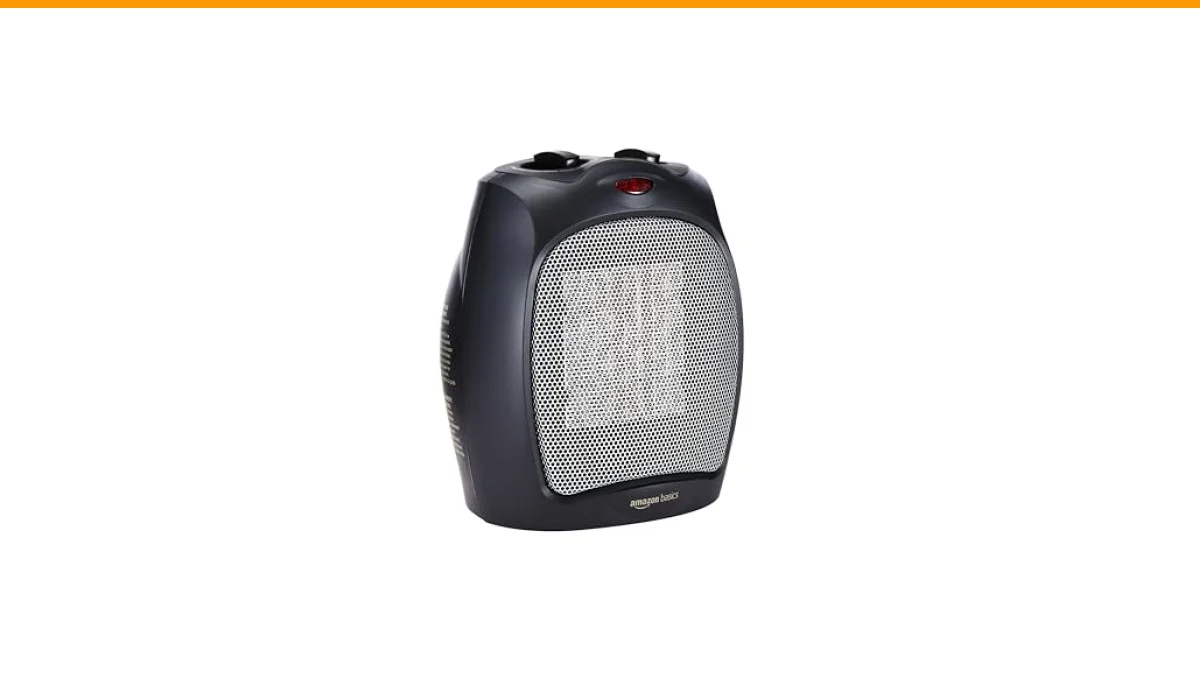
Amazon Basics
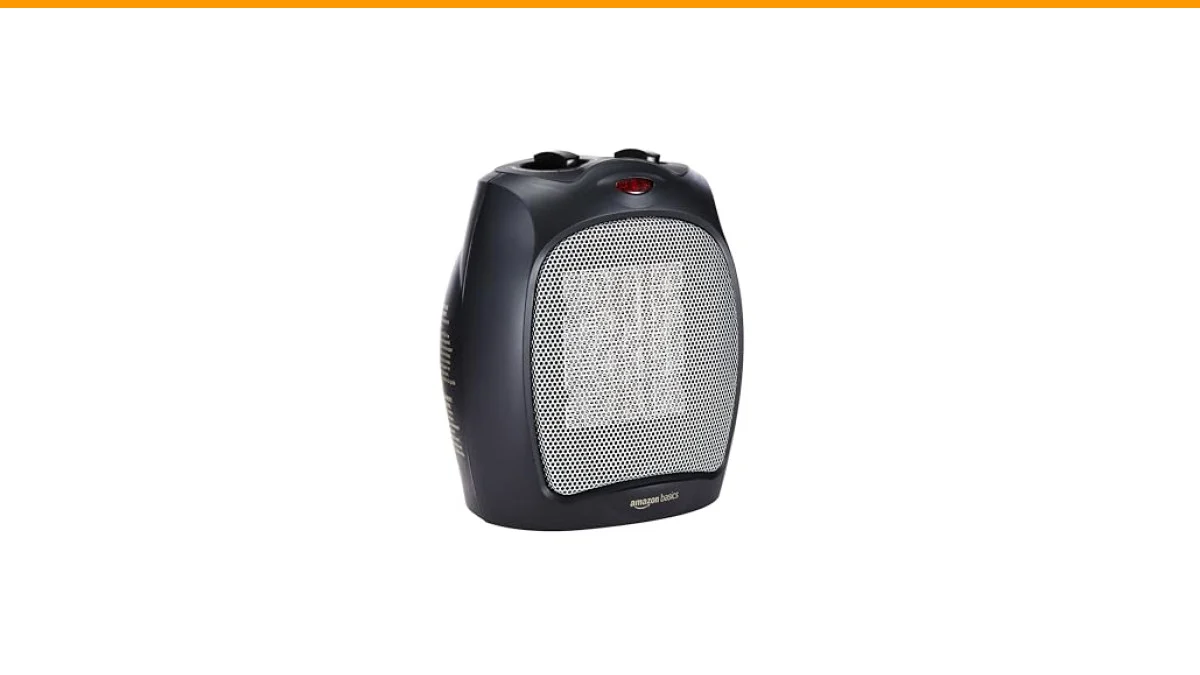
Amazon Basics Ceramic Space Heater, Portable Indoor Heating Solution, With Overheat and Tip-Over Protection, Thermostat, Non-Oscillating, 1500W, 7.52"D x 6.34"W x 9.45"H, Black
- CUSTOMIZABLE HEATING OPTIONS: Choose from three settings to suit your needs - High (1500W), Low (900W), or Fan Only for air circul…
- COMPACT & PORTABLE: Weighing just 3 lbs and sized at 7.5“L x 6.3”W x 9.5“H, this space heater is easy to move and perfect for your…
- Built-in Tip-Over Protection, Overheat Protection, and a Power Indicator Light for safe operation.
Short Answer:
Ceramic heaters are generally safer than coil heaters due to their built-in safety features such as overheat protection, tip-over switches, and the nature of their heating elements, which maintain lower surface temperatures. These factors reduce the risk of burns and fire hazards, making ceramic models a better choice for indoor heating.
 Oil-Filled vs Ceramic Heaters, Which Is Safer and Cheaper to Run?Watch on YouTube
Understanding Heater Types
Space heaters can be categorized into several types, but two of the most common are ceramic heaters and coil heaters. Ceramic heaters utilize ceramic plates as a heating element, while coil heaters use metal coils to generate heat. The differences in design lead to distinct safety profiles.
Safety Mechanisms
One of the primary reasons ceramic heaters are safer than coil heaters is their built-in safety mechanisms. Most modern ceramic heaters, including the Amazon Basics model, come equipped with:
- Overheat Protection: This feature automatically shuts off the heater when it reaches a certain temperature, preventing potential fires.
- Tip-Over Protection: If the heater is accidentally knocked over, this mechanism will turn it off to avoid hazards.
- Lower Surface Temperatures: Ceramic heaters operate at lower surface temperatures compared to coil heaters, which can reach extremely high temperatures. This reduces the risk of burns, especially in households with children or pets.
In contrast, coil heaters can pose greater risks because their heating elements can become scorching hot, increasing the likelihood of accidental burns or fires.
Heating Efficiency
Ceramic heaters are designed to provide quick and efficient heating. They often feature rapid heating technology, which enables them to warm up spaces in minutes. For example, the Amazon Basics Ceramic Space Heater can heat a room quickly while maintaining a noise level of only 43 dB, allowing for quiet operation.
Coil heaters, while effective, typically take longer to warm up. They may also require more energy to maintain a consistent temperature, leading to higher electricity bills. The efficiency of ceramic heaters makes them not only safer but also more cost-effective in the long run.
Comparison Table
| Feature | Ceramic Heaters | Coil Heaters |
|---|---|---|
| Heating Element | Ceramic plates | Metal coils |
| Overheat Protection | Yes | Often absent |
| Tip-Over Protection | Yes | Rarely |
| Surface Temperature | Lower | Higher |
| Noise Level | Typically quieter | Can be noisy |
| Heating Speed | Fast | Slower |
Are ceramic heaters more energy-efficient?
Ceramic heaters tend to be more energy-efficient due to their ability to heat spaces quickly and effectively. They often require less energy to maintain warmth compared to coil heaters, which can lead to lower energy bills.
Can ceramic heaters be used in bathrooms?
Most ceramic heaters are not designed for humid environments like bathrooms. Using them in such areas can lead to safety hazards. Always check the manufacturer’s guidelines.
What is the lifespan of a ceramic heater?
A well-maintained ceramic heater can last several years, typically around 5 to 10 years, depending on usage and care. Regular cleaning and following safety guidelines can extend its life.
Are coil heaters cheaper to buy?
Coil heaters generally have a lower upfront cost compared to ceramic heaters. However, their higher operating costs may offset initial savings over time.
Do ceramic heaters consume a lot of electricity?
Ceramic heaters are designed to provide efficient heating, which means they do not consume excessive electricity. Their ability to heat quickly allows them to operate for shorter periods, helping to manage energy use.
Final Thoughts
- Ceramic heaters include essential safety features like overheat and tip-over protection.
- Lower surface temperatures reduce burn risks, making them safer for homes with children and pets.
- Ceramic heaters heat spaces quickly, providing comfort without long wait times.
- They are generally more energy-efficient, which can lead to lower energy bills.
- Coil heaters can pose greater safety risks due to their hotter heating elements.
- A product like the Amazon Basics Ceramic Space Heater offers a reliable and safe heating solution.
- Always follow safety guidelines and manufacturer instructions for optimal use.