When the temperature drops, many of us rush to find effective heating solutions. You might think about your options, from traditional radiators to modern electric heaters. In this quest, two popular technologies often come up: ceramic heating elements and carbon panel emitters. Understanding their differences can help you choose the right heating solution for your space.
This article will clarify how ceramic heating elements differ from carbon panel emitters, covering heating efficiency, safety features, and practical applications. You’ll walk away with a solid understanding of each technology and its unique advantages.

Amazon Basics
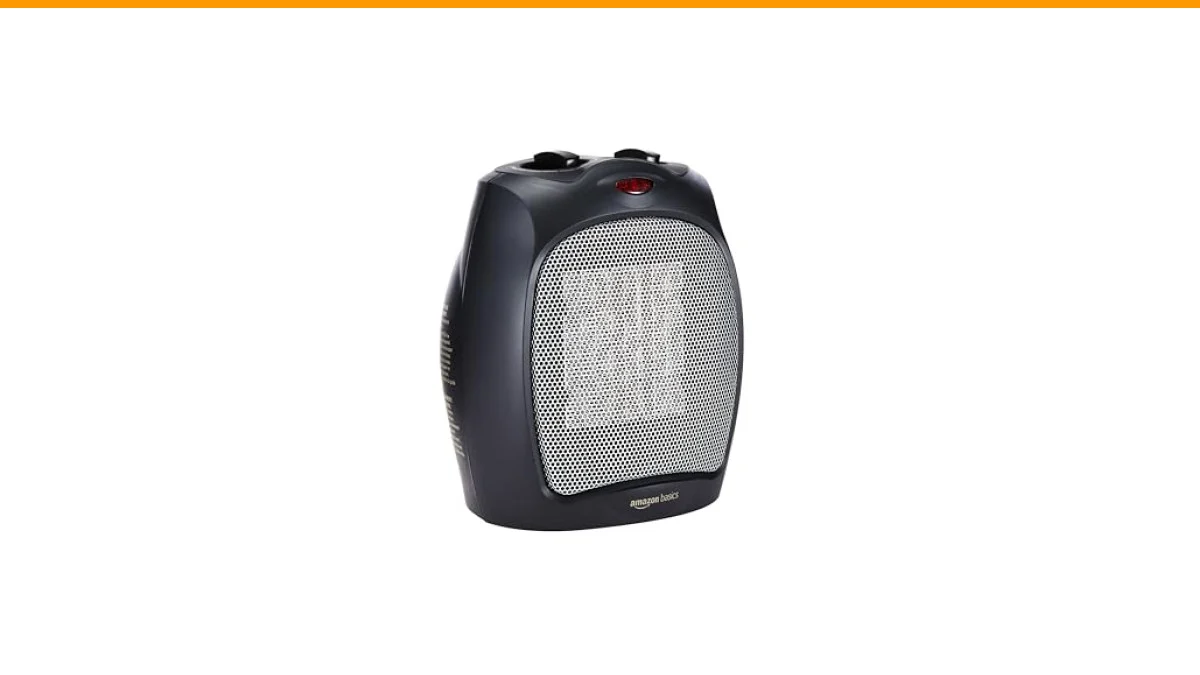
Amazon Basics Ceramic Space Heater, Portable Indoor Heating Solution, With Overheat and Tip-Over Protection, Thermostat, Non-Oscillating, 1500W, 7.52"D x 6.34"W x 9.45"H, Black
- CUSTOMIZABLE HEATING OPTIONS: Choose from three settings to suit your needs - High (1500W), Low (900W), or Fan Only for air circul…
- COMPACT & PORTABLE: Weighing just 3 lbs and sized at 7.5“L x 6.3”W x 9.5“H, this space heater is easy to move and perfect for your…
- Built-in Tip-Over Protection, Overheat Protection, and a Power Indicator Light for safe operation.
For a compact, portable option, consider the Amazon Basics Ceramic Space Heater. This heater features customizable heating options and rapid heating technology, making it perfect for both home and office use.
 Energy Efficient Heating with Infrared Ceramic Heater for your Industrial Needs #www.fitheater.comWatch on YouTube
Understanding Ceramic Heating Elements
Ceramic heating elements are made of ceramic material that has excellent thermal conductivity. They are widely used in portable space heaters for their efficiency and quick heating capabilities. When electricity passes through the ceramic, it heats up and radiates warmth into the surrounding area.
One of the key benefits of ceramic heating elements is their speed. They can heat up very quickly, often within minutes. For example, the Amazon Basics Ceramic Space Heater can provide heat in just a few moments, which is a great perk during chilly mornings or unexpected cold snaps.
These heaters usually come with safety features like overheat protection and tip-over switches. They automatically shut off if they exceed a certain temperature or if they are knocked over, which significantly enhances safety in homes with children or pets.
What Are Carbon Panel Emitters?
Carbon panel emitters utilize carbon fiber technology to produce infrared heat. They work differently than ceramic heating elements by emitting infrared radiation directly into the surrounding space. This type of heating is often described as more comfortable because it warms objects and people directly, rather than just the air around them.
Carbon emitters are known for their energy efficiency. They can operate effectively at lower temperatures, which can lead to energy savings over time. For instance, a carbon panel emitter might use around 60% less energy compared to traditional heating methods to achieve the same level of warmth. This efficiency makes them a popular choice for eco-conscious consumers.
However, carbon panel emitters may not provide the rapid heat that ceramic heaters offer. They typically take longer to reach their optimal operating temperature, which could be a drawback if you need quick warmth.
Comparative Table of Ceramic Heating Elements and Carbon Panel Emitters
| Feature | Ceramic Heating Elements | Carbon Panel Emitters |
|---|---|---|
| Heating Speed | Fast (heats up in minutes) | Moderate (takes longer to warm up) |
| Energy Efficiency | Good | Excellent (60% less energy usage) |
| Safety Features | Overheat protection, tip-over switch | Generally safe but may lack extra features |
| Heating Method | Convection heating | Infrared heating |
| Comfort | Heats air directly | Heats objects and people directly |
| Cost | Generally lower initial cost | Higher initial cost but energy savings over time |
Why Does This Matter?
Choosing between ceramic heating elements and carbon panel emitters can impact your comfort, safety, and energy bills. The decision often comes down to your specific needs. If you want immediate warmth and safety features, ceramic heaters may be the right choice. On the other hand, if energy efficiency and long-term savings are your priorities, carbon panel emitters could be the better option.
It’s also worth considering the space you need to heat. For small rooms or quick heating needs, a ceramic space heater like the Amazon Basics model can be very effective. For larger areas or a focus on energy savings over time, investing in carbon panel emitters makes sense.
Common Questions About Heating Technologies
1. Are ceramic heaters safer than carbon panel emitters?
Ceramic heaters often come with built-in safety features like tip-over and overheat protection, making them a safer choice in households with children or pets. Carbon panel emitters generally don’t have these features, so it’s essential to monitor them while in use.
2. How much energy do ceramic heaters consume?
Ceramic heaters typically consume between 900W to 1500W, depending on the settings. The Amazon Basics model mentioned earlier has options for high (1500W) and low (900W) settings to suit various heating needs.
3. Can carbon panel emitters be used as primary heating sources?
Yes, carbon panel emitters can serve as primary heating sources in well-insulated spaces. Their infrared heating capability makes them effective for warming larger areas, though they might take longer to reach desired temperatures.
4. Which type is more cost-effective in the long run?
Carbon panel emitters are often more cost-effective in the long run due to their energy efficiency, using significantly less power compared to traditional heating methods. However, the initial investment may be higher.
5. Can I use ceramic heaters in a bathroom?
Most ceramic heaters, including the Amazon Basics model, are not designed for humid environments like bathrooms. Using them in such areas can lead to safety hazards and damage to the heater.
Final Thoughts
- Ceramic heating elements heat quickly, making them ideal for immediate warmth.
- Carbon panel emitters are more energy-efficient and provide direct heating.
- Consider your space and heating needs when choosing between the two technologies.
- Safety features matter, especially in homes with children or pets.
- Long-term savings can be significant with carbon emitters, despite higher initial costs.
- The Amazon Basics Ceramic Space Heater is a solid option for portable heating needs.
- Always check specifications before using any heater in specific environments.